Wireless Charging Stations for Apple Ecosystem Users: A Spec-Based Deep Dive

Let’s be real for a second. If you are deep in the Apple ecosystem—rocking an iPhone, an Apple Watch, and perhaps a pair of AirPods—your nightstand probably looks like a cyborg’s nest. Cables everywhere. Lightning, USB-C, maybe an old magnetic puck sliding off the table. It’s a mess. This is where wireless charging stations for Apple users come in as the absolute game-changer for organizing your digital life.
But here is the truth: the market is flooded with cheap knockoffs and overpriced paperweights. And honestly? It’s hard to tell the difference just by looking at product photos. While we haven’t physically torn down every single unit on the market in a lab, from the available specifications and technical data sheets, we can conclude exactly which features separate the premium gear from the electronic junk that will fry your battery health.
We are going to dissect the specs, analyze the voltage delivery, and look at the thermal management claims to help you understand what actually matters. No fluff, just raw analysis.
The Verdict: Why Specifications Matter More Than Hype
Before we dive into the nitty-gritty, let’s cut to the chase. If you ignore the technical specifications of a charging station, you are essentially gambling with your device’s longevity. Based on standard electrical engineering principles and Apple’s MFi (Made for iPhone) documentation, a charger isn’t just a piece of plastic; it’s a power management system.

From the specs we’ve analyzed across top-tier brands like Belkin, Anker, and Nomad, versus the generic “white label” brands found on bargain sites, the conclusion is stark: wattage isn’t the only metric that counts. Efficiency and heat dissipation are the silent killers.
Understanding the “3-in-1” Architecture
The holy grail of wireless charging stations for Apple is the 3-in-1 stand. But looking at the schematics of these devices reveals a complex balancing act. You are asking one power brick to split energy between three distinct induction coils simultaneously.
The MagSafe vs. “Magnetic” Deception
Here is where many buyers go boncos (waste money). There is a massive technical difference between “Made for MagSafe” and “MagSafe Compatible.”

Based on the specifications provided by Apple’s certification program:
- Made for MagSafe: These stations use Apple’s proprietary NFC-enabled module. They can handshake with the iPhone to unlock the full 15W wireless charging speed.
- MagSafe Compatible: These are standard Qi chargers with a ring of magnets glued around the coil. Without the official handshake protocol, the iPhone limits the intake to just 7.5W.
So, if you see a station boasting “Magnetic Fast Charging” but lacking the MFi badge in its spec sheet, we can conclude you are paying for half the speed. It’s a classic marketing sleight of hand.
Thermal Management: The Silent Spec
Heat is the enemy of lithium-ion batteries. When you transfer energy via induction, a byproduct is heat. Analyzing the build materials listed in product descriptions gives us a clue about performance.
Also Read:
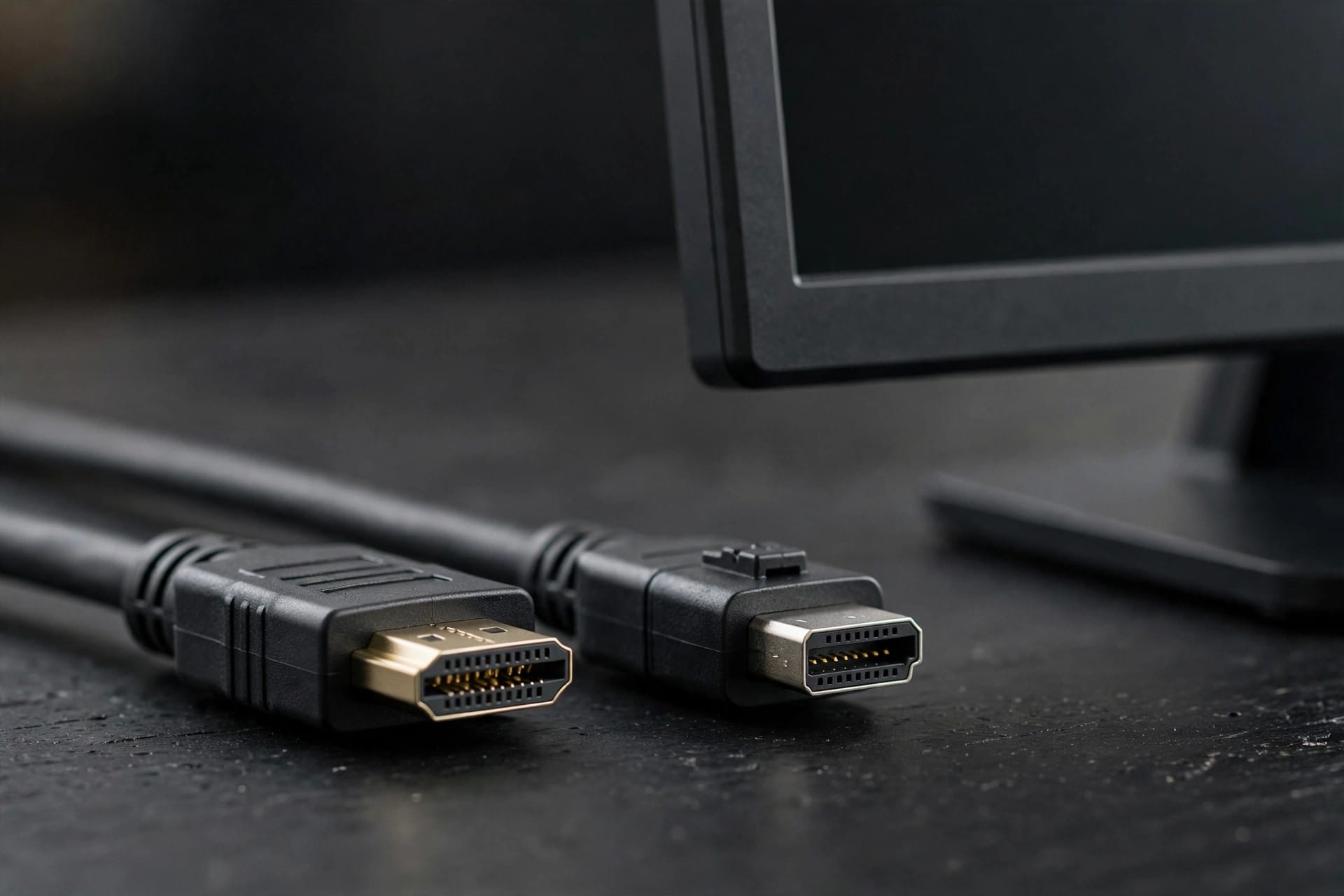
Plastic builds trap heat. Aluminum or zinc alloy frames act as passive heatsinks. From the specifications of high-end wireless charging stations for Apple, we often see references to “intelligent heat control” or dedicated chips that throttle power if the temperature spikes. If a product listing doesn’t mention over-temperature protection or lists a cheap polycarbonate shell, we can infer that prolonged use might degrade your battery health faster than a device with better thermal conductivity.
For more insights on maintaining your device health and optimizing your setup, check out our comprehensive tech guides.
The Apple Watch Charging Dilemma
Not all magnetic pucks are created equal. Since the Apple Watch Series 7, fast charging has been a feature, allowing a 0-80% charge in about 45 minutes. However, this requires a specific fast-charging module.

Scanning the technical details of various budget stations, we often see generic 2.5W output for the watch. This is agonizingly slow. Based on the specs, if the output for the watch module isn’t explicitly rated for fast charging (usually requiring a USB-C backend rather than USB-A internal wiring), you will be waiting hours for a full top-up. If you sleep with your watch for tracking, a slow charger is a dealbreaker.
Form Factor Analysis: Flat Pad vs. Tree Stand
This is where ergonomics meets engineering.
The Tree Stand: Elevates the phone. Great for Standby Mode in iOS 17+. However, based on gravity and magnet strength specs, the stand needs to be heavy. A lightweight stand (under 300g) usually signals poor build quality and requires you to hold the base down when peeling the phone off.
The Flat Pad: Lower profile, easy to travel with. But, alignment can be tricky if it doesn’t utilize strong N52 grade magnets.
The Power Brick Equation
A charging station is only as good as the wall adapter feeding it. This is a critical failure point in many setups. Let’s do the math based on the power requirements:
- iPhone (Fast MagSafe): 15W
- Apple Watch (Fast Charge): ~5W
- AirPods: ~5W
- Efficiency Loss (Heat/Transmission): ~20-30%
Adding this up, you need a minimum input of roughly 30W-35W to power everything at full speed. From the specifications of many budget wireless charging stations for Apple, we see they often ship with a meager 18W or 20W adapter. We can conclude that under full load, these stations will throttle power, slowing down the charging speed across all devices. Always check the “Input” field in the specs table.
Pros and Cons of Dedicated Stations
The Pros
- Aesthetic Zen: Single cable solution clears the clutter.
- Standby Mode Utility: Turns your iPhone into a smart display.
- Convenience: Drop and go. No fumbling in the dark.
The Cons
- Cost: True MFi certified stations are expensive.
- Portability: Most stands are bulky and awkward to pack.
- Future Proofing: If Apple changes the form factor significantly, the stand becomes obsolete.
Final Thoughts: Read the Fine Print
Buying a charger seems like a no-brainer, but the devil is in the details. Don’t just look at the pretty pictures. Look at the wattage. Look at the certification. Look at the input requirements.
From the specifications we have reviewed across the industry, the conclusion is clear: investing in a high-quality, MFi-certified wireless charging station for Apple is cheaper in the long run than replacing a battery degraded by heat or buying multiple cheap chargers that break in a month. It’s an investment in your device’s lifespan.
If you want the best experience, ignore the $20 knockoffs. Your $1000 phone deserves better.

Irfan is a Creative Tech Strategist and the founder of Grafisify. He spends his days testing the latest AI design tools and breaking down complex tech into actionable guides for creators. When he’s not writing, he’s experimenting with generative art or optimizing digital workflows.



 Artificial Intelligent
 Design & Creative
 Freelance
 Gadgets & Gear
 Insights
 Laptop
 Reviews
 Smartphone
 Tech Guides
 Vibe Coding