Freelance Productivity Guide: How to Structure Your Workday and Stay Focused
Freelance Productivity Guide: How to Structure Your Workday and Stay Focused
You don’t need more hours. You need a system that works when nobody’s watching. This freelance productivity guide walks you through time blocking, energy mapping, and the daily rituals that keep top freelancers focused without burning out.
Working without a boss sounds freeing. And it is. But that same freedom is why so many freelancers end up working 12-hour days and still feel behind. The problem isn’t laziness. It’s structure. Or more precisely, the lack of it.
When your inbox dictates your morning and client messages fracture your afternoon, you’re not freelancing. You’re reacting. I have been there. Productivity for freelancers isn’t about grinding harder. It’s about designing a day that protects your best work from the noise.
Freelance Productivity Guide: What Makes Structuring Your Day So Hard Without a Boss
The numbers paint a clear picture. Studies from UC Irvine’s Gloria Mark show it takes about 23 minutes to fully refocus after switching between tasks. A freelancer juggling three clients in one day can lose over 90 minutes to context recovery alone. That’s time you can’t bill and work you never get credit for.
Also Read:
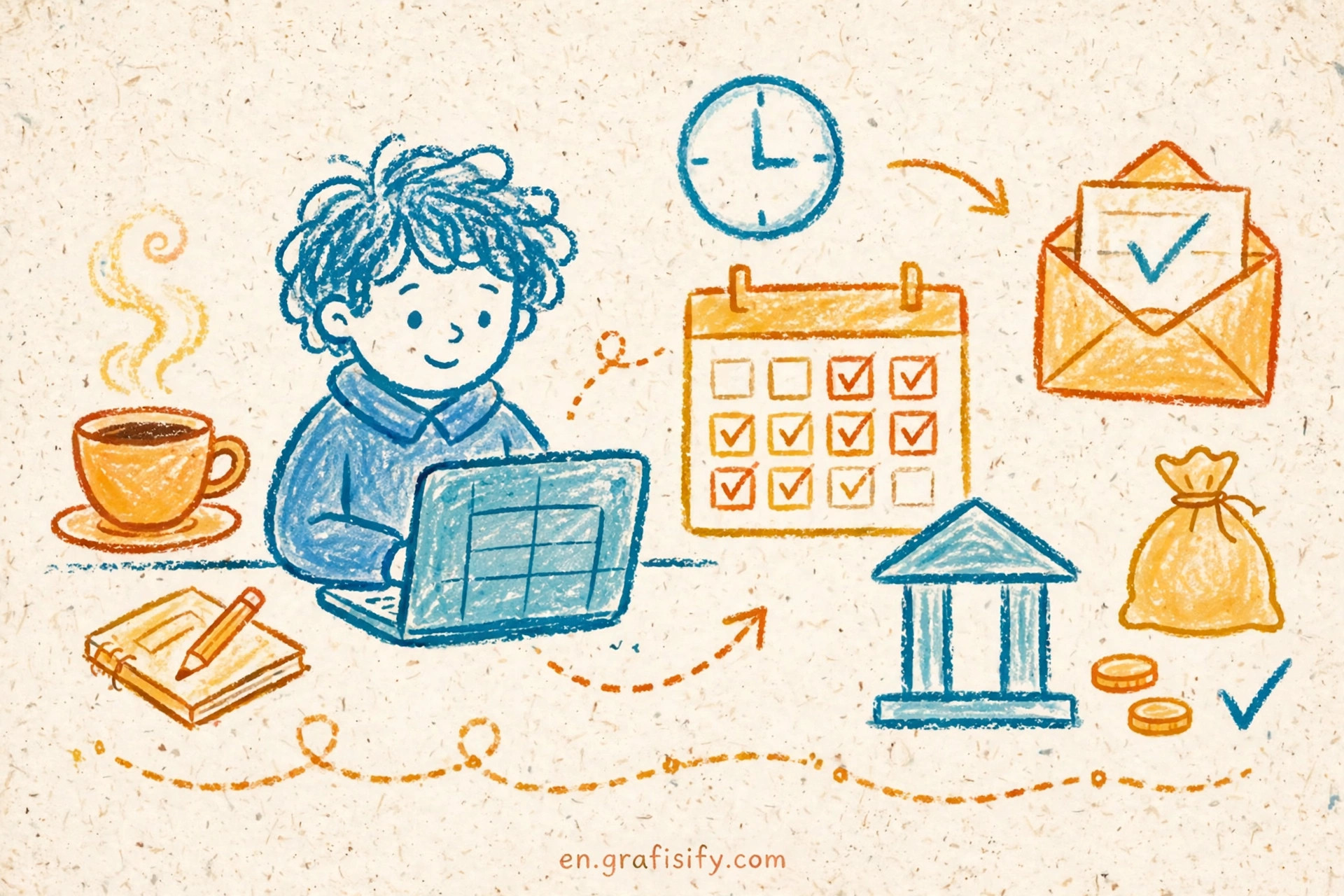
There is a second trap too. The feast-or-famine cycle. When work is flowing, you push hard and skip breaks. When it’s quiet, you panic and accept projects at lower rates. Neither state is productive. Both come from the same root: no system. If you are just getting started, check out our guide on how to succeed as a freelancer for the bigger picture.
Here is what most productivity advice gets wrong. It assumes you need better willpower. You don’t. You need a repeatable schedule that makes focus the path of least resistance.
The Core Framework: Time Blocking and Energy Mapping

Time blocking is the single most effective method for freelancers. Here is how to set it up without overthinking it.

Map your energy curve first
Before you build a schedule, know when your brain works best. For one week, pay attention to when you feel sharp and when you feel sluggish. Slot your hardest work into your peak window. Put admin, email, and lighter tasks into your low-energy hours.
Most people hit peak focus mid-morning. But you might be different. The data only matters if it’s yours.
Build your weekly operating template
A template is not a vague intention to try time blocking. It’s a calendar with named blocks. Each block gets one type of work. Example:
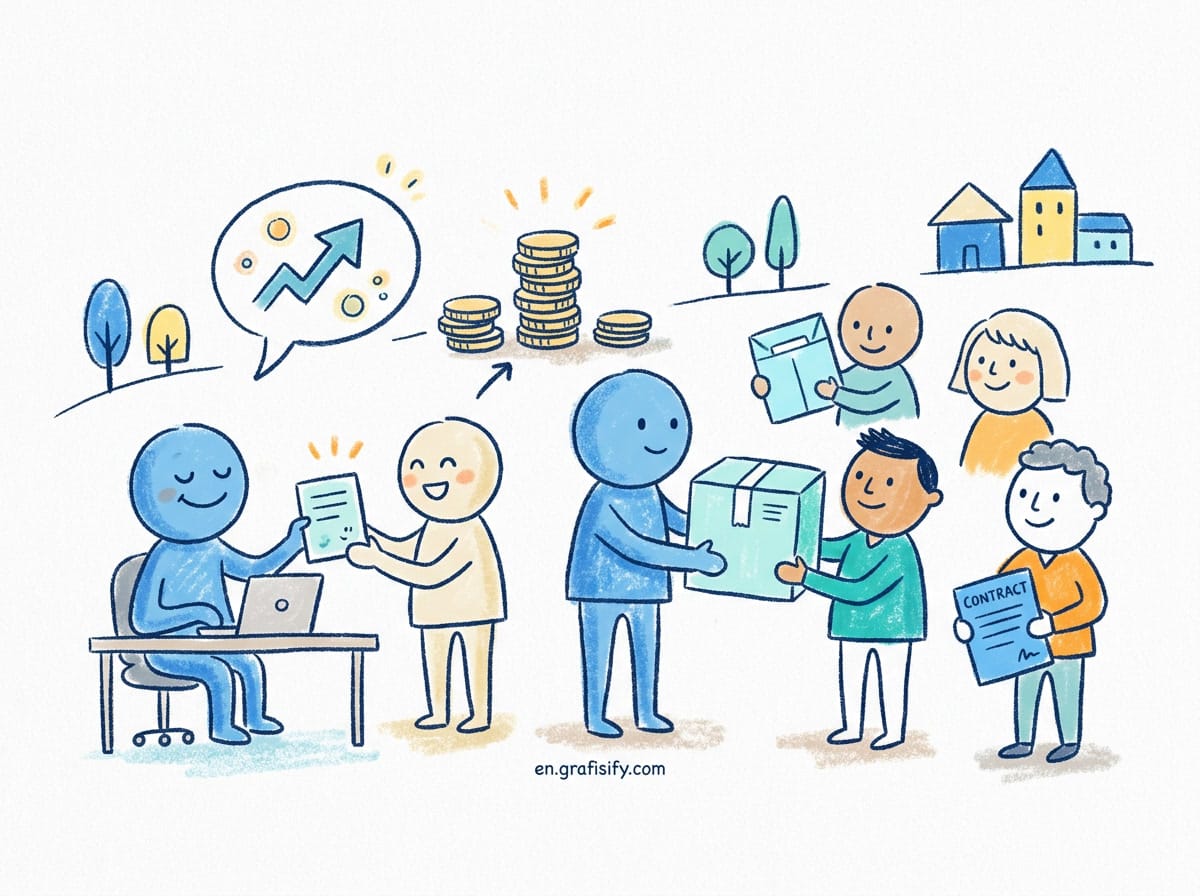
- Monday morning: Weekly planning and goal setting (30 min)
- Monday to Wednesday: Deep client work in 90-minute blocks
- Thursday: Client calls, proposals, and outreach
- Friday morning: Admin, invoicing, and weekly review
- Friday afternoon: Business development and learning
Leave buffers between blocks. A thirty-minute gap absorbs overruns and keeps one late task from derailing your whole afternoon. This is the kind of practical advice this freelance productivity guide emphasizes: small gaps protect big results.
The 70-30 rule for capacity
Here is a mistake almost every freelancer makes. They fill 100 percent of their schedule with client work. Then an urgent request comes in, or a project runs long, and the whole week collapses.
The fix is simple. Fill only 70 percent of your available hours with committed work. Leave 30 percent open for revisions, unexpected opportunities, and margin. Your schedule should have room to breathe. If it doesn’t, you’re not productive. You’re overbooked.

Essential Tools That Actually Help Freelancers Stay Focused
Tools won’t fix a broken system. But the right ones make a good system easier to follow.
Time tracking for billing and awareness
Toggl Track or Clockify. Both have free tiers. Run them even on fixed-price projects. Knowing how long things actually take helps you estimate better and spot tasks that eat more time than they’re worth.
Distraction blockers and focus tools
Freedom, Forest, or just the Do Not Disturb mode on your phone. The goal isn’t to block every distraction permanently. It’s to create windows where focus is the only option. Pair this with the Pomodoro technique: 25 minutes on, 5 minutes off. Or 50 on, 10 off. Pick a rhythm that matches your task depth.
Task management without over-engineering
A simple spreadsheet with client name, project, deadline, and status works for most freelancers with two to five active projects. Notion or Todoist if you prefer a visual board. The tool matters less than the habit of checking it once daily.
Common Freelance Productivity Mistakes and How to Fix Them
| Mistake | Why It Hurts | The Fix |
|---|---|---|
| Checking email first thing | Your inbox sets your agenda instead of you | Check email twice per day. Paul Jarvis found this shift alone increased his billable hours significantly. |
| Working without a weekly plan | Every day becomes reactive firefighting | Spend 30 minutes every Monday setting your top 3 priorities for the week. |
| Saying yes to every client request | Scope creep kills margins and focus | Set clear boundaries in your first proposal. Charge for scope changes. |
| Skipping breaks | Productivity drops sharply after 4 hours of continuous work | Schedule a real break every 90 minutes. Walk, stretch, or step away. |
| Multitasking between clients | 23 minutes lost per context switch | Assign one client per focus block. Never split a block between two clients. |
Freelance Productivity Guide: How to Build Your Daily Routine
A good routine has three parts. Here is how to build each one.
The morning anchor
Start the same way every day. Not with email. With a short planning session. Review your top three tasks for the day. Check your calendar for scheduled blocks. Set your intention for the first deep work session. This takes ten minutes and saves you forty minutes of drifting later.
Deep work blocks
Protect two to four hours for focused, single-task work. Turn off notifications. Close every tab that isn’t related to the task at hand. Put your phone in another room. Work in cycles of 90 minutes followed by a short break. The science here is pretty clear. Your brain can sustain high-level focus for roughly 90 minutes before it needs a reset. Pushing past that window leads to diminishing returns where you are still sitting at your desk but producing work you will probably rewrite tomorrow anyway. A five-minute walk, a glass of water, or just standing up and stretching resets your cognitive stamina better than mindlessly scrolling through social media ever could.
What counts as deep work? Client deliverables, strategy work, writing, design, code, anything that requires your full attention. Everything else can wait until your next admin window.
The shutdown ritual
End your workday deliberately. Review what you accomplished. Write down the first task for tomorrow. Close every tab and app. Then stop. This simple ritual is the most underused technique in freelance productivity. It signals to your brain that work is done and it’s time to rest.
A proper shutdown ritual improves sleep quality and next-day focus. I noticed this immediately when I started doing it. My evenings went from anxious scrolling to actual recovery.
Frequently Asked Questions: Freelance Productivity Guide
How many hours should a freelancer work per day?
Most successful freelancers work four to six hours of focused, billable work per day. The rest goes to admin, communication, and business development. If you’re working eight-plus hours daily and still falling behind, the problem isn’t hours. It’s structure.
What is the best time management method for freelancers?
Time blocking combined with energy mapping. Block out your calendar by task type, not by the clock. Put deep work in your peak energy window and admin in your low-energy period. Adjust as you learn your patterns. No single method works for everyone, but time blocking comes closest.
How do I stop procrastinating when working from home?
Procrastination is usually a system problem, not a motivation problem. When you don’t know exactly what to work on, your brain defaults to the easiest option. Fix this by ending each day with a clear plan for tomorrow. Name the specific task, the time block, and the expected output. Ambiguity is procrastination’s best friend. A lot of freelancers also struggle with the feeling that they should be working all the time, which paradoxically makes them avoid starting because the task feels too overwhelming to face. The counterintuitive solution is to shrink the task until it feels almost too easy to do. Instead of telling yourself you will write an entire proposal, tell yourself you will open the document and write the first sentence. That is it. More often than not, that one sentence turns into a paragraph, and that paragraph turns into a finished draft before you even notice the time passing.
Final Thoughts: Your Time Is Your Most Valuable Asset
Freelancing gives you freedom. But freedom without structure is just another way to waste time. The freelancers who succeed long-term don’t work more hours. They work smarter hours. They protect their focus, they batch their admin, and they treat their schedule like it matters.
Start with one change this week. Map your energy curve. Build one time block for deep work. Add a shutdown ritual at the end of your day. Small shifts compound. You don’t need a perfect system. You just need one that’s better than reacting to whatever lands in your inbox.

Irfan is a Creative Tech Strategist and the founder of Grafisify. He spends his days testing the latest AI design tools and breaking down complex tech into actionable guides for creators. When he’s not writing, he’s experimenting with generative art or optimizing digital workflows.



 Artificial Intelligent
 Design & Creative
 Freelance
 Gadgets & Gear
 Insights
 Laptop
 Reviews
 Smartphone
 Tech Guides
 Vibe Coding