7 Brutal Truths About Selling Stock Photos in 2026: A Data-Driven Survival Guide

The Verdict: Is the industry dead? No. Is the “easy money” era over? Absolutely. Selling stock photos in 2026 requires a pivot from high-volume generic uploads to hyper-niche, authentic “lifestyle” content and video footage. While AI has cannibalized the bottom 40% of the market, data shows that authentic human emotion and editorial content still generate significant royalties for adaptive contributors.
What is Selling Stock Photos in the AI Era?
Selling stock photos is the business of licensing digital imagery through microstock agencies (like Adobe Stock, Shutterstock, or Getty Images) for commercial, editorial, or personal use. In 2026, this definition has evolved from simply uploading high-quality JPEGs to becoming a “visual data provider,” where success relies heavily on metadata optimization, authentic human representation, and competing directly against generative AI models.
7 Data-Backed Realities of the Microstock Market in 2026
1. The “Generic” Market is completely Dead
Let’s rip the band-aid off first. If your portfolio consists of isolated apples on white backgrounds, businessmen shaking hands, or generic sunsets, your Return Per Image (RPI) is likely plummeting toward zero. Generative AI tools have completely democratized the creation of generic concepts. A buyer no longer needs to pay $5 for a photo of a “golden retriever on a lawn” when they can prompt Midjourney to create it for pennies.
However, this death of generic content is actually a filter. It clears the clutter. The data shows that while download volumes for generic terms are down 60%, searches for specific, nuanced concepts (e.g., “diverse senior couple using telemedicine app on a tablet”) remain stable. Selling stock photos now demands that you photograph what AI cannot easily hallucinate: complex human interactions, specific local cultural events, and verified authentic setups.
2. Video Footage is the New “Still Image”
If you are strictly a photographer, you are leaving 70% of the money on the table. In 2026, the demand for short-form vertical video (Reels, TikTok backgrounds) and high-quality 4K b-roll is skyrocketing. Video content is harder for AI to generate flawlessly (at least for now), providing a defensive moat for contributors.
Also Read:

Analyzing contributor earnings reports, a single 15-second 4K video clip often generates the same revenue as 50 photo downloads. If you are serious about selling stock photos, you need to hit the “record” button on your camera. Even simple panning shots of cityscapes or slow-motion clips of people working command significantly higher royalty rates than their static counterparts.
3. Adobe Stock is Outperforming Shutterstock (For Many)
For years, Shutterstock was the volume king. However, recent data suggests a shift in the ecosystem. Adobe Stock has integrated its library directly into the Creative Cloud ecosystem (Photoshop, Premiere), making it frictionless for designers to license images. This integration often leads to a higher RPI compared to the subscription-heavy model of other agencies.
Furthermore, Adobe’s approach to AI compensation—paying contributors for the use of their images in training the Firefly model—has created a new, albeit controversial, passive income stream. While diversification is key, focusing your best metadata efforts on Adobe Stock currently yields the best ROI for your time. Explore Adobe Stock’s current contributor guidelines here to see how they are prioritizing authentic content.

4. Authentic “Ugly” Outperforms Studio Perfection
The “stocky” look—perfect lighting, perfect teeth, fake smiles—is out. Gen Z and Alpha consumers demand authenticity. This trend, often called “UGC-style” (User Generated Content), means that photos taken with high-end smartphones or with harsh, direct flash often outsell perfectly lit studio shots.
Buyers are looking for images that look like they were taken by a real person, not a production crew. This is great news for new contributors selling stock photos because it lowers the barrier to entry regarding gear. You don’t need a $4,000 lighting rig; you need an eye for genuine moments. A messy desk often sells better than a pristine one because it reflects reality.
5. Metadata is 80% of the Work
You can have the most beautiful photo in the world, but if the search engine doesn’t find it, it earns $0. In 2026, keywording has become a precise science. It’s no longer about spamming 50 loosely related tags. It’s about “long-tail” keywords.

Instead of tagging “woman, coffee, cafe,” successful contributors are using phrases like “stressed female freelancer working remotely in crowded coffee shop.” AI search algorithms are getting smarter at understanding context. Your metadata needs to tell a story. If you fail to master SEO within the agencies, you will fail at selling stock photos regardless of your photographic talent.
6. Editorial and News Content is AI-Proof
This is a critical pivot point. AI cannot document reality as it happens. It cannot be at the protest, the local festival, or the new infrastructure opening. Editorial photography—images used for news and educational purposes rather than commercial advertising—remains a stronghold for human photographers.
While editorial licenses usually pay less per download, they have a longer shelf life and zero competition from AI generators. Documenting your local city’s changes, construction projects, or cultural events creates a historical archive that gains value over time. For a deeper dive into the legalities of AI and copyright, check out recent coverage on The Verge regarding how legislation is protecting real-world documentation.
7. The “Upload and Pray” Method is Over
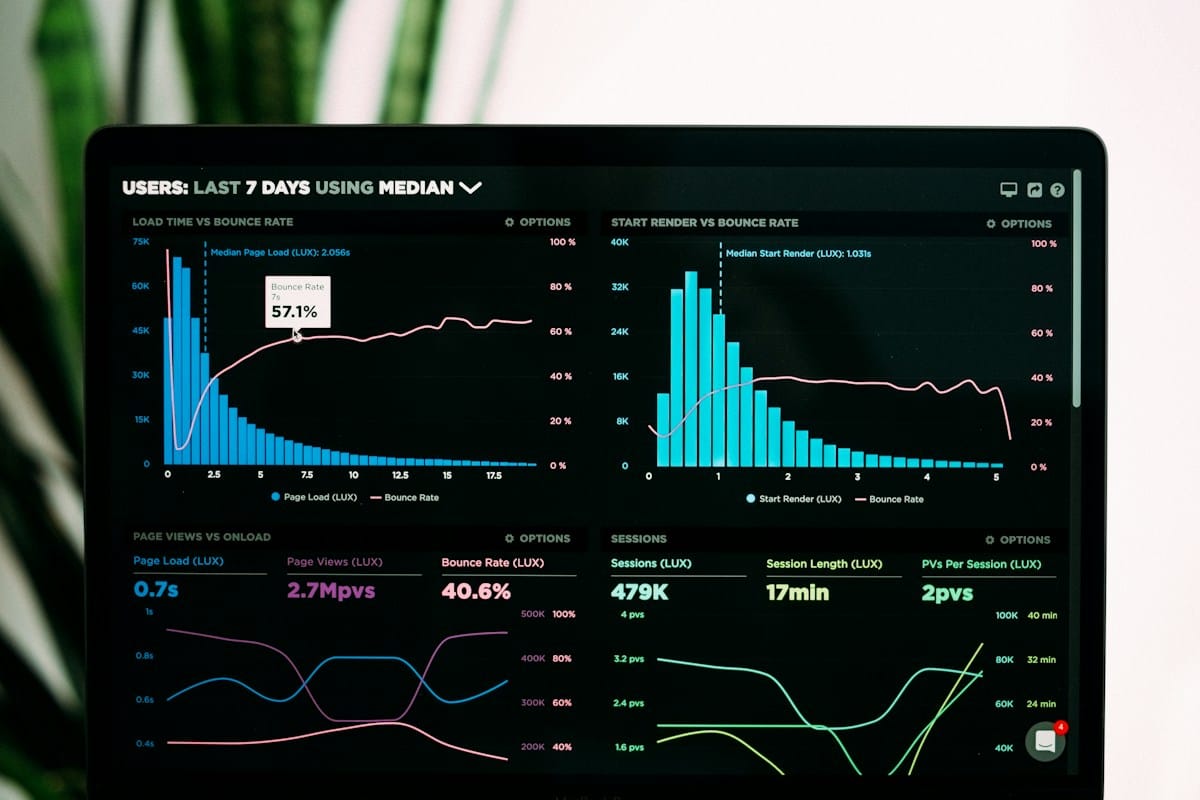
Ten years ago, you could upload 1,000 random photos and make money. Today, that strategy is a waste of bandwidth. Successful contributors in 2026 treat selling stock photos as a data analysis job. They look at “Shot Lists” provided by agencies, analyze seasonal trends three months in advance, and shoot specifically to fill gaps in the market.
If you aren’t analyzing which of your images are getting views (even if they aren’t getting downloads) to understand what the algorithm likes, you are flying blind. The winners in 2026 are shooting less but planning more. They treat every shoot as a targeted commercial assignment, not a hobbyist’s weekend walk.
How to Pivot: The “Human Touch” Strategy
If you want to survive the AI purge, you must inject humanity into your work. The algorithms can generate a face, but they struggle with the nuance of human connection and specific regional details.
Focus on Local Niches. AI is trained heavily on US and European data. If you live in Indonesia, Brazil, or Vietnam, photograph specific local customs, foods, and business attire that AI often misrepresents. A photo of a specific regional dish with the correct condiments is high-value content because generic AI gets the details wrong.
Pros & Cons of Microstock in 2026
✅ The Good
- True Passive Income: Once a high-quality portfolio is up, it earns while you sleep.
- Low Barrier to Entry: Modern smartphones are accepted by most major agencies.
- Global Reach: Your photos can be used by major brands in countries you’ve never visited.
- AI Training Bonuses: Some platforms now pay you specifically for using your data to train models.
❌ The Bad
- Market Saturation: There are hundreds of millions of images; getting seen is harder than ever.
- Low RPI: You often earn pennies per download; you need massive volume to see real money.
- AI Competition: Generative AI has obliterated the market for simple, conceptual illustrations and backgrounds.
- Slow Payouts: Reaching the minimum payout threshold ($25-$35) can take months for beginners.
Final Thoughts: Is It Worth It?
Selling stock photos in 2026 is no longer a get-rich-quick scheme, nor is it a viable full-time income for 99% of contributors. However, it remains one of the best “side hustles” for creative professionals. It forces you to improve your technical skills, understand commercial trends, and build a library of assets.
The photographers who are “dying” are the ones who refused to adapt to video, refused to niche down, and ignored the rise of AI. If you are willing to shoot authentic video, study the data, and treat this like a business, there is still money to be made. Don’t let the doom-mongers stop you from uploading—just make sure you’re uploading the right stuff.
Tagged with:
Adobe StockAI vs Photographycreator economyMicrostockPassive Incomephotography tipsselling digital productsShutterstockSide Hustle 2026Stock Photography
Irfan is a Creative Tech Strategist and the founder of Grafisify. He spends his days testing the latest AI design tools and breaking down complex tech into actionable guides for creators. When he’s not writing, he’s experimenting with generative art or optimizing digital workflows.






 Artificial Intelligent
 Design & Creative
 Freelance
 Gadgets & Gear
 Insights
 Laptop
 Reviews
 Smartphone
 Tech Guides
 Vibe Coding