12 Proven Steps to Selling Digital Products on Etsy for Passive Income (2026)

The Verdict: Selling digital products on Etsy remains one of the most accessible entry points for generating passive income in 2025. While the marketplace is competitive, success relies on a strict formula: high-quality visuals, rigorous SEO, and solving a specific customer problem. This guide breaks down the exact workflow from idea to first sale.
What is Selling Digital Products on Etsy?
Selling digital products on Etsy is the process of creating intangible, downloadable assets—such as printable planners, graphic design templates, stock photos, or digital art—and listing them on the Etsy marketplace. Once a customer purchases the item, the file is delivered automatically via email or direct download, removing the need for physical inventory or shipping logistics.

The 12-Step Blueprint to Etsy Success
1. Identify a Profitable Niche
Before you design a single pixel, you must identify a gap in the market. Many beginners fail because they create what they want to make, rather than what the market is asking for. Selling digital products on Etsy requires a data-driven approach. Are people looking for wedding budget planners? Retro font bundles? Resume templates for nurses?
Use the search bar to see what auto-populates; these are high-volume search terms. Look for niches that have a decent search volume but aren’t completely saturated with hundreds of thousands of listings. The “riches are in the niches” isn’t just a catchy phrase; it is the fundamental law of digital commerce.
2. Conduct Deep Market Research
Once you have a niche, you need to validate it. Tools like eRank or Marmalead are essential here, but you can also do this manually. Analyze the top 10 listings in your chosen category. What colors are they using? What keywords appear in their titles? What are customers complaining about in the reviews?
Also Read:
Your goal isn’t to copy them—that’s a fast track to failure (and legal trouble). Your goal is to see what is working and figure out how to do it 10% better. Maybe their design is cluttered, or their instructions are unclear. That gap is your opportunity to dominate the market.
3. Create High-Quality Assets
Now comes the fun part: creation. Whether you are using Canva, Adobe Illustrator, or Procreate, the quality of your file is paramount. Remember that you are competing with professionals. Ensure your DPI is set correctly (usually 300 DPI for printables) and your guides are pixel-perfect.
If you are selling templates, ensure they are user-friendly. A beautiful template that is a nightmare to edit will result in bad reviews, killing your shop’s momentum before it starts. Organize your layers and group elements logically so your customer has a seamless experience.

4. Navigate Legalities and Licensing
This is the boring but critical part. You must ensure you have the commercial rights to every font, graphic, and element you use in your designs. Just because you found an image on Google doesn’t mean you can sell it. Selling digital products on Etsy carries legal responsibilities regarding copyright and trademark infringement.
Always check the licensing agreements of your design assets. For a deeper understanding of intellectual property rights, you can consult the U.S. Copyright Office. Ignoring this step can lead to your shop being permanently banned.
5. Set Up Your Etsy Shop Brand
Your shop front is your digital storefront. It needs to look professional and trustworthy. This involves creating a cohesive banner, a clear shop icon, and a compelling “About” section. Customers are more likely to buy from a shop that looks like a legitimate business rather than a fly-by-night operation.
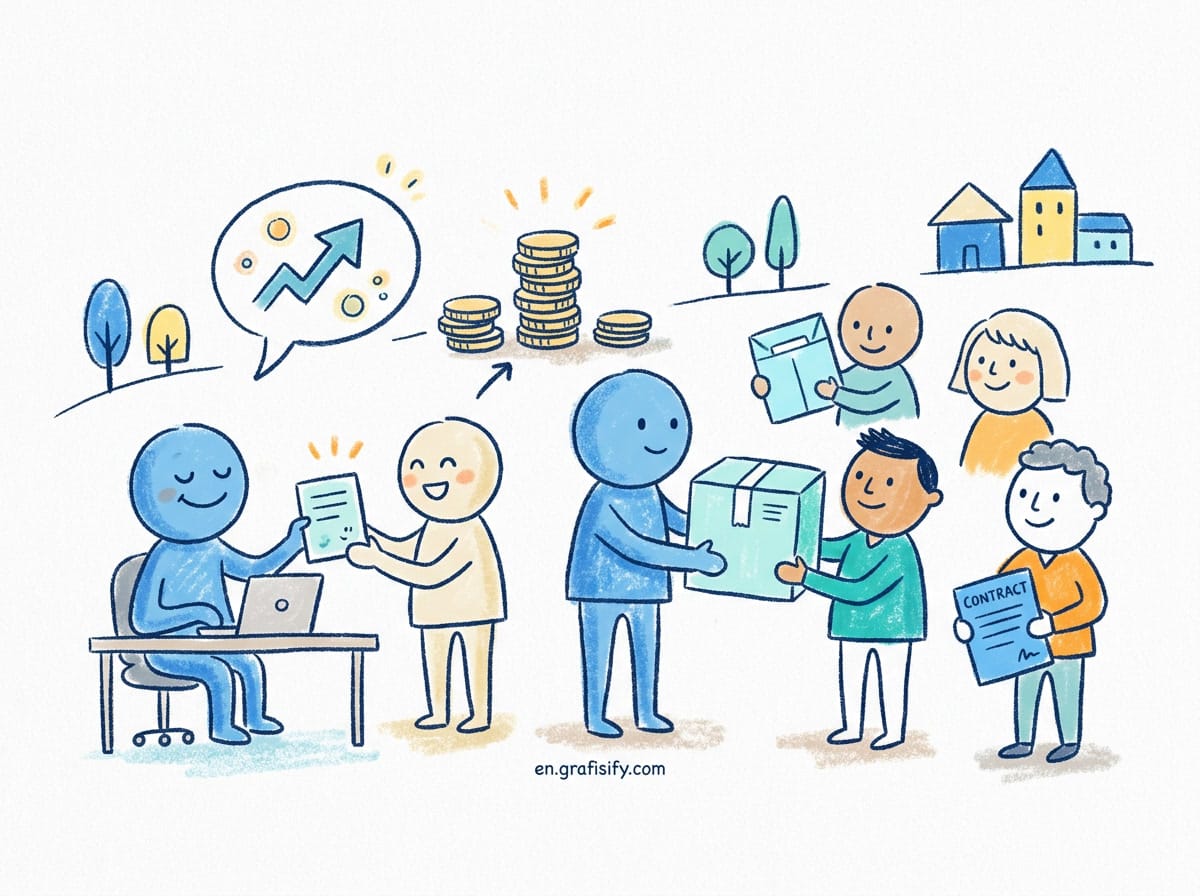
Choose a shop name that is easy to spell and remember. If your preferred name is taken, try adding “Studio,” “Design,” or “Co” to the end. Consistency in your color palette and tone of voice across your shop builds brand recognition and trust.
6. Master Etsy SEO (Search Engine Optimization)
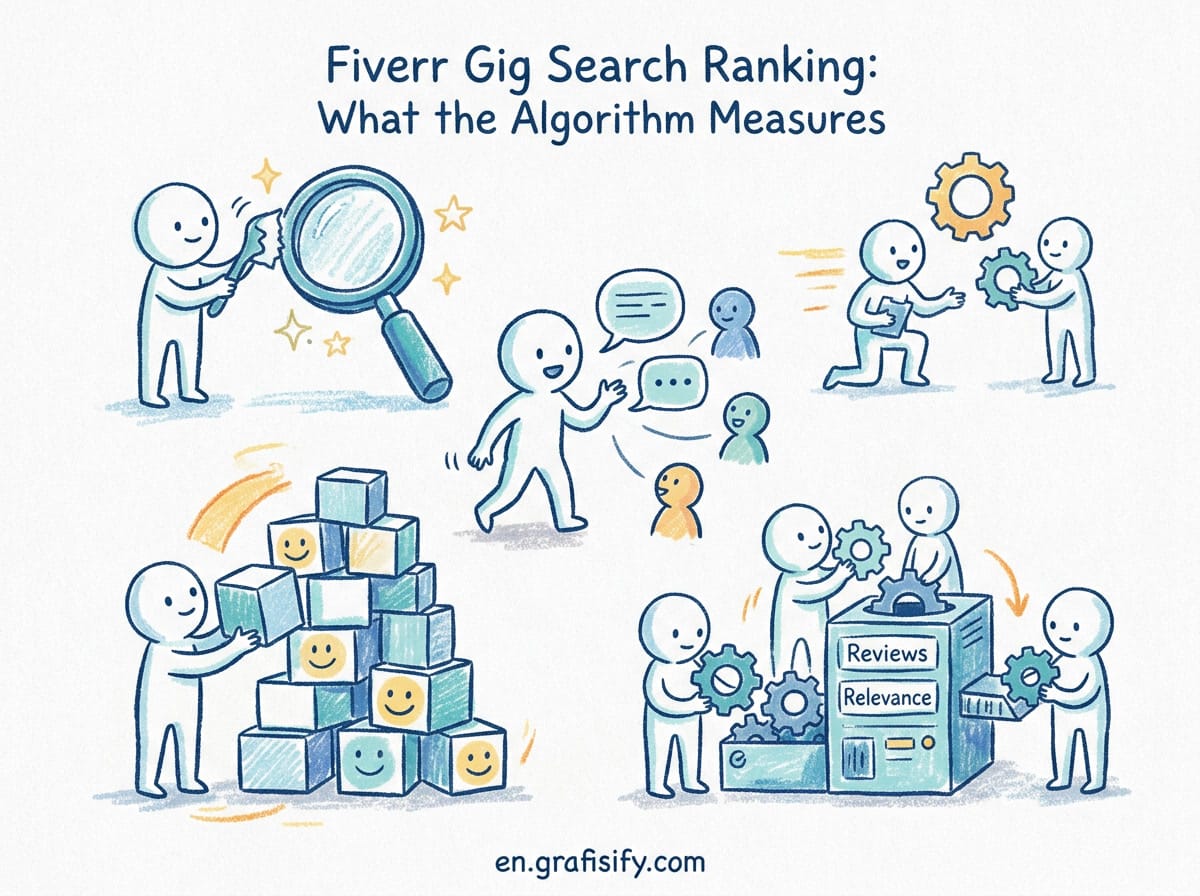
You can have the best product in the world, but if no one can find it, you won’t make a dime. Etsy operates like a search engine. You need to utilize all 13 tag slots and write a title that is keyword-rich without looking like spam. Place your most important keywords at the beginning of your title.
Avoid generic tags like “planner.” Instead, use “long-tail” keywords like “ADHD daily planner for students.” These phrases have less competition and higher conversion rates because the user knows exactly what they want.
7. Design “Click-Worthy” Listing Images
Since customers cannot touch your product, your images must do the heavy lifting. You need high-quality mockups that show the product in use. If you are selling wall art, show it in a stylish living room frame. If it’s a digital planner, show it on an iPad screen.
Your main thumbnail is the most critical factor in your Click-Through Rate (CTR). It needs to stop the scroll. Use bright lighting, clear text overlays explaining what the product is, and ensure it looks distinct from the other listings on the search page.
8. Develop a Pricing Strategy
Pricing digital goods can be tricky. You don’t have material costs, but you do have time costs and Etsy fees. Don’t underprice yourself in a “race to the bottom.” Low prices often signal low quality to buyers. Look at the average market price and position yourself competitively.
Consider running an introductory sale to get your first few purchases. Etsy’s algorithm favors listings that have recent sales activity. A temporary 20-25% discount can be the nudge a stranger needs to take a chance on a new shop.
9. Automate Product Delivery
The beauty of selling digital products on Etsy is the automation. When you create your listing, you will upload the files directly to Etsy’s server. Ensure you upload the correct file formats (PDF, ZIP, PNG). If the files are too large for Etsy’s 20MB limit, upload a PDF containing a link to a Google Drive or Dropbox folder.
Double-check your files before publishing. Download them yourself to ensure they aren’t corrupted. A smooth delivery process is the first step toward a 5-star review.
10. Drive Traffic via Pinterest
Waiting for organic Etsy traffic can be slow. To speed things up, utilize Pinterest. Pinterest is less of a social network and more of a visual search engine, making it the perfect partner for Etsy sellers. Create vertical pins that showcase your product and link them directly to your listing.
Consistency is key here. Pinning a few times a week can drive substantial traffic to your shop. For tips on how to structure your pins for business, check out the official Pinterest Business resources.
11. Provide Stellar Customer Service
Even with digital products, you will have customer service inquiries. “I can’t open the zip file,” or “Where is my download?” are common questions. Create “Saved Replies” (snippets) in your Etsy dashboard to answer these quickly and professionally.
Responding quickly to messages not only helps the customer but also contributes to your “Star Seller” badge eligibility. A helpful, polite response can turn a frustrated user into a loyal repeat customer.
12. Analyze and Scale
After your shop has been open for 30-60 days, review your Etsy Stats. Which listings are getting views but no sales? (Your photos or price might be the issue). Which listings are getting no views? (Your SEO needs work). Kill the products that aren’t working and double down on the ones that are.
Scaling might involve creating bundles of your best-sellers to increase average order value or expanding into related niches. The data will tell you where to go next.
Practical Tips for Digital Sellers
Beyond the steps above, there are nuances to selling digital products on Etsy that can make or break your store. First, always provide a “Read Me” PDF with your download. This simple document should include printing instructions, terms of use, and a thank you note. It reduces customer support tickets significantly.
Secondly, keep an eye on file organization. If you are selling a bundle of 50 Instagram templates, don’t just dump 50 loose files into a zip folder. Organize them into subfolders (e.g., “Stories,” “Posts,” “Highlights”). User experience is a massive part of the value you provide.

Pros & Cons of the Digital Business Model
✅ The Good
- Passive Income Potential: Create the product once, sell it an infinite number of times.
- Low Overhead: No shipping costs, no warehousing, and no inventory management.
- Global Reach: Your shop is open 24/7 to customers all over the world.
- Scalability: It is just as easy to sell 1,000 units as it is to sell 10.
❌ The Bad
- High Competition: The barrier to entry is low, leading to saturated markets.
- Copycats: Intellectual property theft is rampant and hard to police.
- Platform Reliance: You are building your business on rented land (Etsy’s rules apply).
- Customer Education: Some buyers still struggle with how to unzip or use digital files.
Final Thoughts
Selling digital products on Etsy is a journey, not a sprint. It requires an initial investment of time and creativity, but the payoff of waking up to “ka-ching” notifications on your phone is worth the effort. By focusing on quality, SEO, and customer experience, you can build a sustainable income stream that grows over time.
Tagged with:
Digital DownloadsE-commerce Tipsecommerce tipsEtsy sellerEtsy SEOEtsy shop setupPassive Incomeprintablessell onlineSide Hustle 2026side hustle ideassmall business guide
Irfan is a Creative Tech Strategist and the founder of Grafisify. He spends his days testing the latest AI design tools and breaking down complex tech into actionable guides for creators. When he’s not writing, he’s experimenting with generative art or optimizing digital workflows.






 Artificial Intelligent
 Design & Creative
 Freelance
 Gadgets & Gear
 Insights
 Laptop
 Reviews
 Smartphone
 Tech Guides
 Vibe Coding