7 Proven Passive Income Streams for Graphic Designers to Build Wealth

/The Verdict: Transitioning from a service-based model to selling products is the ultimate lever for scaling a creative career. By diversifying into assets like digital templates, font creation, and educational content, graphic designers can break the “time-for-money” ceiling and establish a sustainable financial safety net.
What is Passive Income for Graphic Designers?
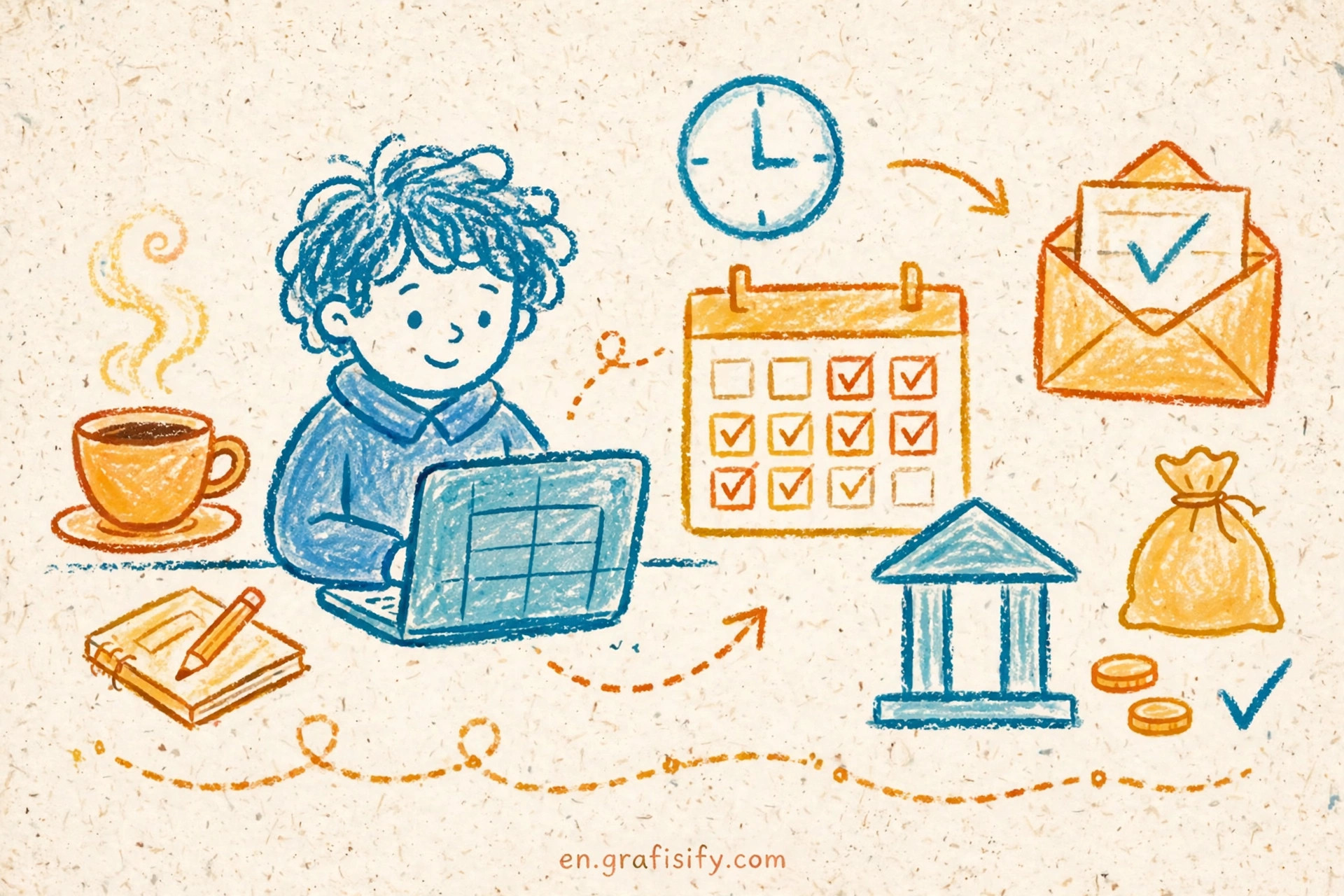
Passive Income for Graphic Designers refers to revenue generated from creative assets that are created once and sold repeatedly without requiring direct, active involvement in every transaction. Unlike client work, where income stops when you stop working, these streams leverage digital scalability to generate earnings around the clock.

7 Essential Streams to Monetize Your Creativity
1. Selling High-Quality Digital Templates
The most accessible entry point into passive income for graphic designers is undoubtedly the creation of digital templates. Small business owners and social media influencers are constantly on the hunt for polished, professional visuals but often lack the skills to create them from scratch. By designing robust templates for platforms like Canva, Adobe InDesign, or Photoshop, you solve a massive pain point for non-designers.
Think beyond simple Instagram posts. The market is hungry for comprehensive brand kits, resume layouts, slide deck presentations, and wedding invitation suites. Once you upload these files to marketplaces like Creative Market or Etsy, they can be downloaded thousands of times. The key here is to create versatile, easily editable files that empower the end-user.
Also Read:
2. Creating and Licensing Custom Fonts
Typography is the backbone of design, and creating custom typefaces is a prestigious and lucrative avenue. While the learning curve for font creation software (like Glyphs or FontLab) can be steep, the payoff is substantial. A single, well-crafted typeface can become a staple for agencies and brands globally, generating royalties for years.
This stream fits perfectly into the definition of passive income for graphic designers because fonts are high-value assets. You can sell licenses for desktop use, web use, and even app embedding. According to typography history and standards, type design requires a keen eye for detail, but once a font family is published on platforms like MyFonts or YouWorkForThem, it acts as high-yield digital real estate.
3. Print-on-Demand (POD) Merchandise
If you have a knack for illustration or catchy typography, Print-on-Demand is a low-risk way to monetize your art. Platforms like Redbubble, Society6, and Printful allow you to upload your designs, which are then printed on t-shirts, mugs, phone cases, and tote bags only when a customer places an order. You never have to touch inventory or deal with shipping logistics.

The beauty of POD is that it allows you to test market trends rapidly without financial overhead. If a design flops, you haven’t lost money on stock; if it goes viral, the fulfillment partner handles the volume. To succeed here, focus on niches—such as specific dog breeds, hobbies, or retro aesthetics—rather than generic designs.
4. Stock Photography and Vector Assets
Do you have a hard drive full of unused vectors, icons, or textures? Put them to work. Stock marketplaces like Shutterstock, Adobe Stock, and Freepik rely on contributors to fuel their libraries. Passive income for graphic designers often starts here, turning “digital scrap” into cash. Even simple assets like flat icon sets, watercolor textures, or seamless patterns are in high demand.
Consistency is the name of the game in the stock world. It is a volume-based game where having a portfolio of hundreds of assets yields better returns than a few masterpieces. It is crucial to tag your files with relevant metadata to ensure they appear in search results when other designers are hunting for resources.
5. Pre-made Logo and Branding Kits
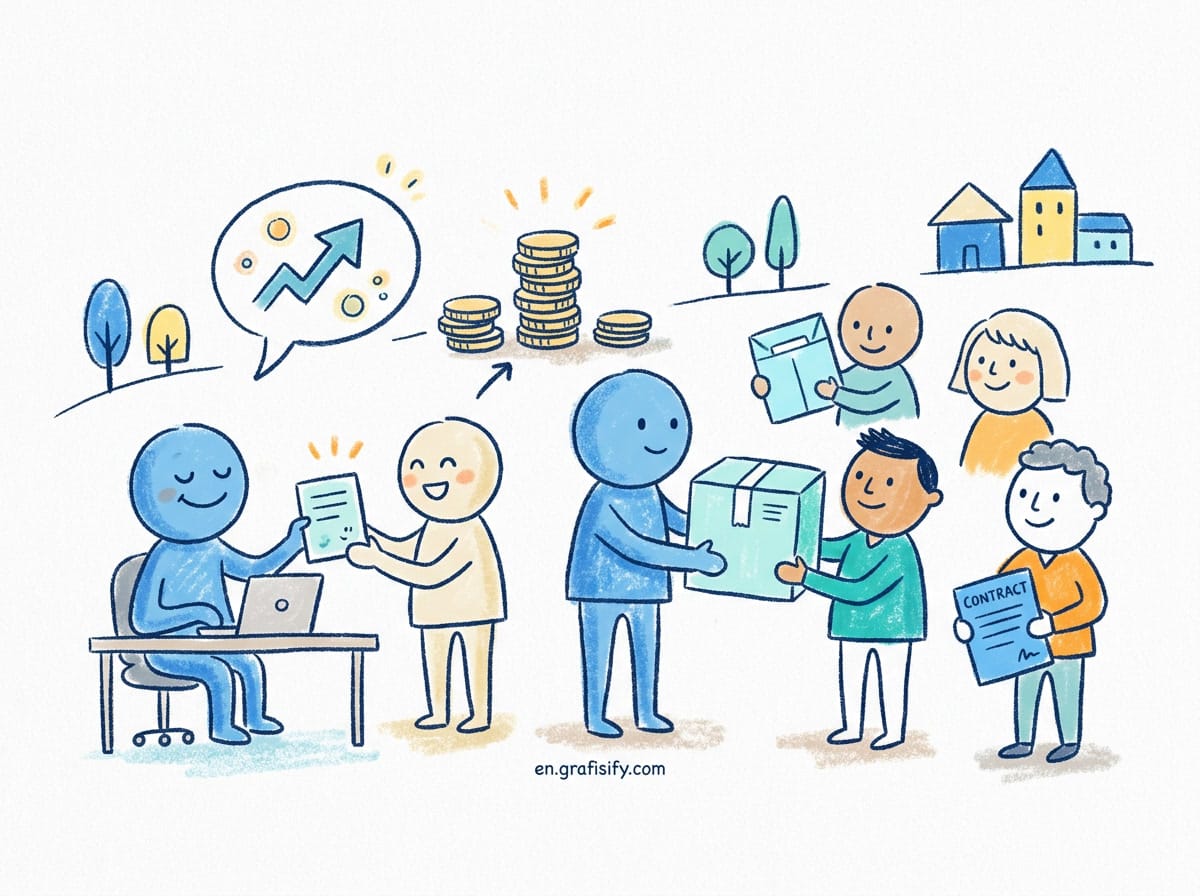
Many startups and side-hustlers operate on shoestring budgets and cannot afford custom agency branding. This is where “pre-made” branding shops shine. You can design a collection of semi-custom logos where you only change the business name and color palette for the client, or sell fully editable vector logo templates.
By offering these “off-the-rack” solutions, you cater to a market segment that is usually ignored by high-end freelancers. This method bridges the gap between custom service work and fully automated digital products, allowing you to charge a premium for a product that requires only minutes of customization work on your end.
6. Teaching via Online Courses and Tutorials
You have spent years mastering your craft; now, monetize that expertise. Platforms like Skillshare, Udemy, and Teachable have democratized education, allowing anyone to become an instructor. Whether it’s a masterclass on vector illustration or a beginner’s guide to UI design, there is an audience eager to learn your specific workflow.
Educational content builds authority. When you position yourself as an expert, it often leads to higher-paying client work ironically, creating a virtuous cycle. E-learning is a booming industry, and packaging your knowledge into a structured course is one of the most scalable forms of passive income for graphic designers available today.
7. Affiliate Marketing for Design Tools
You likely already recommend tools, hosting, and software to your clients and peers. Why not get paid for it? Affiliate marketing involves sharing a unique link to products you love (like Adobe Creative Cloud, Webflow, or specialized design plugins). When someone purchases through your link, you earn a commission.
This can be integrated naturally into your blog, portfolio, or social media. For example, if you write a tutorial on how to use a specific mockup tool, include your affiliate link. It’s “found money” that monetizes the influence and trust you have already built within the design community.
The “Set It and Forget It” Myth: Strategies for Success
While the allure of passive income for graphic designers is strong, it is rarely 100% passive. The most successful creators treat their shops like a garden; you must water it to see growth. The “upload and pray” method rarely works in today’s saturated market. You need to leverage Pinterest for traffic, optimize your product descriptions for SEO, and occasionally refresh your inventory to stay current with design trends.
Pros & Cons of Passive Income Streams
✅ The Good
- Scalability: Sell the same asset 10,000 times without doing the work 10,000 times.
- Location Independence: Manage your shop from anywhere with an internet connection.
- Creative Freedom: Design what you want, not what a client dictates.
❌ The Bad
- Front-Loaded Effort: Requires significant time investment upfront for zero guaranteed pay.
- Market Saturation: High competition on popular marketplaces like Etsy.
- Maintenance: Requires ongoing customer support and file updates.
Final Thoughts
Building passive income for graphic designers isn’t about getting rich quick; it’s about building stability. It diversifies your revenue so that a dry spell in client work doesn’t result in a financial crisis. Start with one stream—perhaps cleaning up an old project file to sell as a template—and build from there. Your future self will thank you for the financial cushion.
Ready to take your freelance career to the next level? Read our related guide on pricing your services to maximize your active income while you build your passive streams.
Internal SEO Notes (Rank Math)
Target Focus Keyword:
Tags:
Slug:
Meta Title: 7 Proven Passive Income Streams for Graphic Designers to Build Wealth
Image Alt Text Suggestions: “Graphic designer analyzing passive income sales chart”, “Digital product marketplace interface”, “Mockup of print on demand t-shirt designs”
Tagged with:
creative marketdesign assetsdigital productsetsy for designersGraphic Designonline coursesPassive Incomeprint on demandselling art onlineside hustle ideas
Irfan is a Creative Tech Strategist and the founder of Grafisify. He spends his days testing the latest AI design tools and breaking down complex tech into actionable guides for creators. When he’s not writing, he’s experimenting with generative art or optimizing digital workflows.





 Artificial Intelligent
 Design & Creative
 Freelance
 Gadgets & Gear
 Insights
 Laptop
 Reviews
 Smartphone
 Tech Guides
 Vibe Coding