Let’s be real for a second. There is a specific kind of agony reserved for creative souls trapped in gray cubicles. You know the feeling. You’re sitting in a Zoom meeting that definitely could have been an email, nodding along while your brain is somewhere else entirely—designing that logo, editing that video, or drafting the chapter of a novel that’s currently just a side hustle collecting dust on your hard drive.
The dream? Telling your boss to stick it (politely, of course), walking out the door, and dedicating 100% of your energy to your craft. It sounds like nirvana. It sounds like freedom. But here’s the cold, hard truth: Passion doesn’t pay the electric bill.
Transitioning from side hustle to full-time freelancing is less of a leap of faith and more of a calculated construction project. You are building a bridge while walking on it. Can it be done? Absolutely. Is it terrifying? You bet. But sticking with a 9-to-5 that drains your soul is a far worse fate than the temporary panic of entrepreneurship.
Also Read:
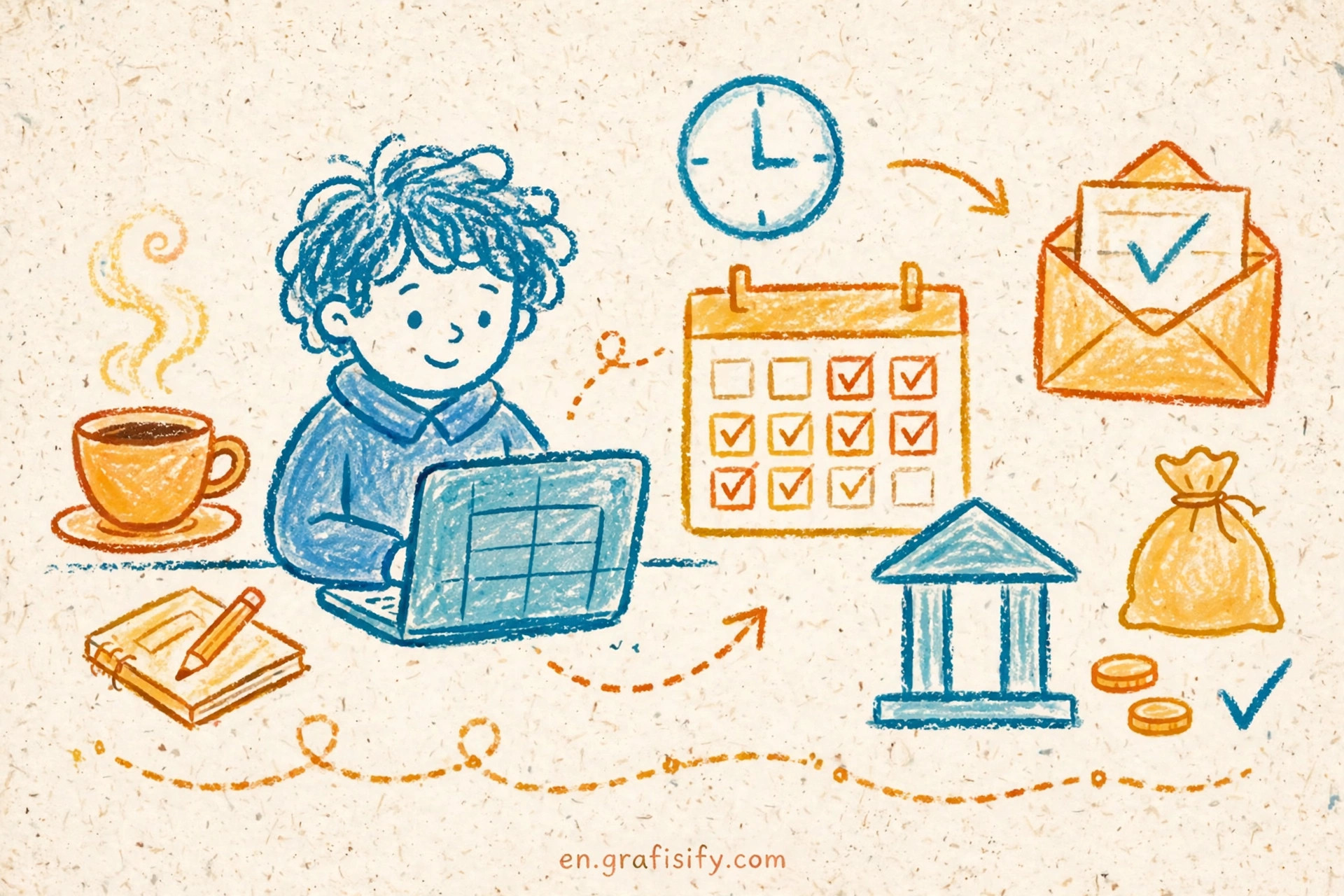
If you are ready to stop playing small and start playing for keeps, this is your roadmap. No fluff, no “manifest your destiny” nonsense—just the gritty logistics of how to turn that moonlighting gig into a career that actually feeds you.
The Reality Check: Is Your Side Hustle Actually a Business?
This is the part where I have to be the bad guy. Honestly? Most side hustles aren’t businesses; they are expensive hobbies. And that’s fine, provided you want to keep your day job. But if the goal is from side hustle to full-time, you need to look at your numbers with a brutal, unblinking stare.
Ask yourself this: If you lost your job today, could your current freelance income keep the lights on? For most, the answer is a panic-induced “No.”

To make this work, you need to shift your mindset from “freelancer” to “business owner.” A freelancer waits for work; a business owner hunts it down. You need systems. You need a pipeline. You need to be mumpuni (highly capable) not just at your craft, but at the boring stuff: invoicing, taxes, and client management. If your “business plan” is hoping people find you on Instagram, you are not ready to quit.
The Validation Test
Before you even think about drafting a resignation letter, run the Validation Test. Have you had three consecutive months where your side hustle income equaled at least 50% of your day job salary? If yes, you’re onto something. If no, you’re still in the incubation phase. Don’t rush the oven.
The Financial Runway: Don’t Jump Without a Parachute
Let’s talk money. I know, creatives hate talking about money. We want to talk about color theory and narrative arcs. But if you ignore your finances, you’re going to end up boncos (Indonesian slang for losing big time/going broke) faster than you can say “overdraft fee.”
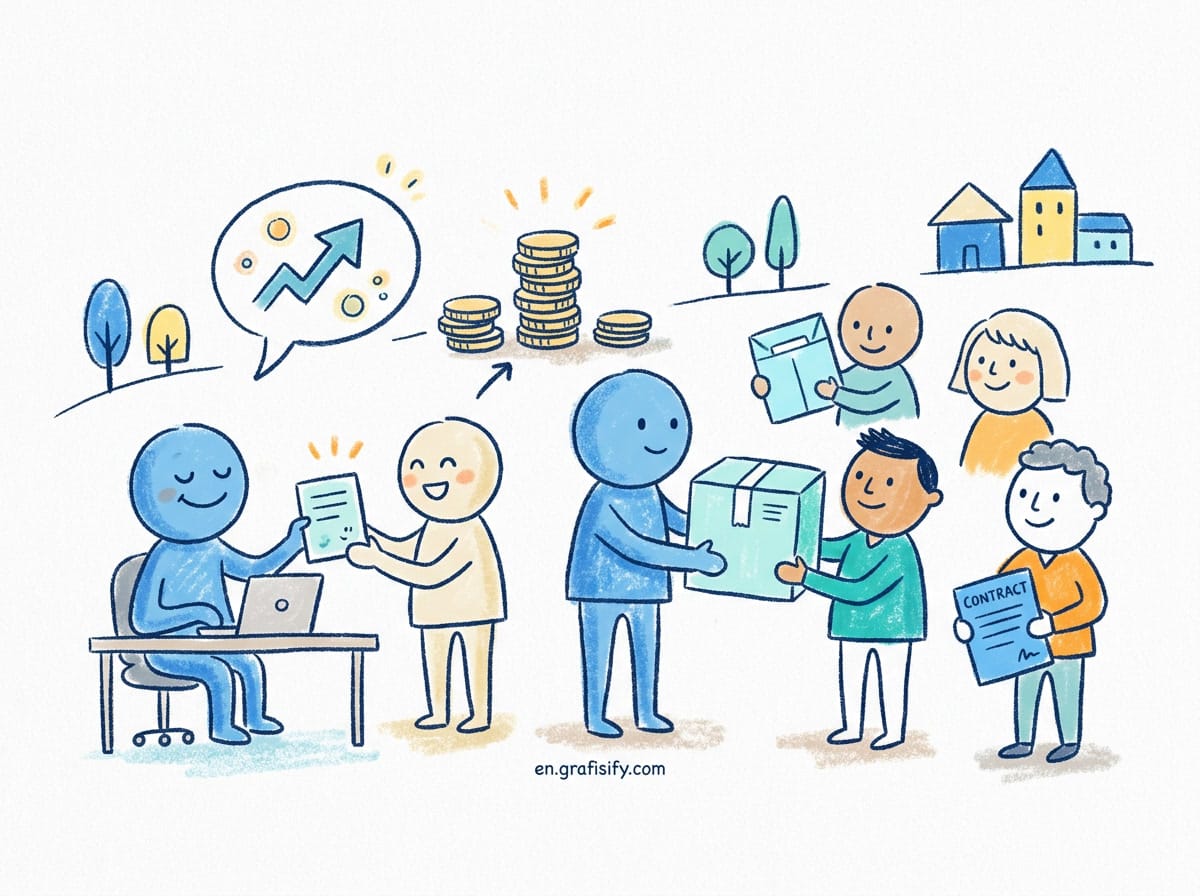
The biggest mistake aspiring freelancers make is quitting with zero runway. You need a buffer. A big one. Why? Because clients pay late. Projects get cancelled. Global pandemics happen (remember that?).
Your Financial “Safe” List:
- The 6-Month Emergency Fund: This is non-negotiable. This money doesn’t touch your business expenses; it pays your rent and buys your ramen when the creative well runs dry.
- Debt Reduction: Kill your high-interest debt before you leap. Nothing kills creativity like the stress of a mounting Visa bill.
- pricing Power: Are you charging “friend rates”? Stop it. You cannot scale a business on discounts.
According to financial experts at Forbes, a lack of cash flow is the number one reason small businesses fail. Don’t be a statistic. Be a fortress.
Scaling Up While Clocking In (The “Double Shift”)
Here comes the grind. This is the phase where you will be tired. All the time. Transitioning from side hustle to full-time means you are essentially working two jobs. You are the employee by day and the CEO by night.
It’s grueling, but it’s the only way to build momentum without starving. You need to use your 5-to-9 (PM) to build the empire that will replace your 9-to-5. This requires ruthless time management.
Start saying no. No to Netflix binges, no to aimless scrolling, and yes, sometimes no to social events. Use tools like Trello or Asana to manage your freelance projects with the same professionalism you apply to your day job tasks. The goal here is to get your freelance workload to a point where it becomes physically impossible to maintain both jobs. That breaking point? That’s your green light.
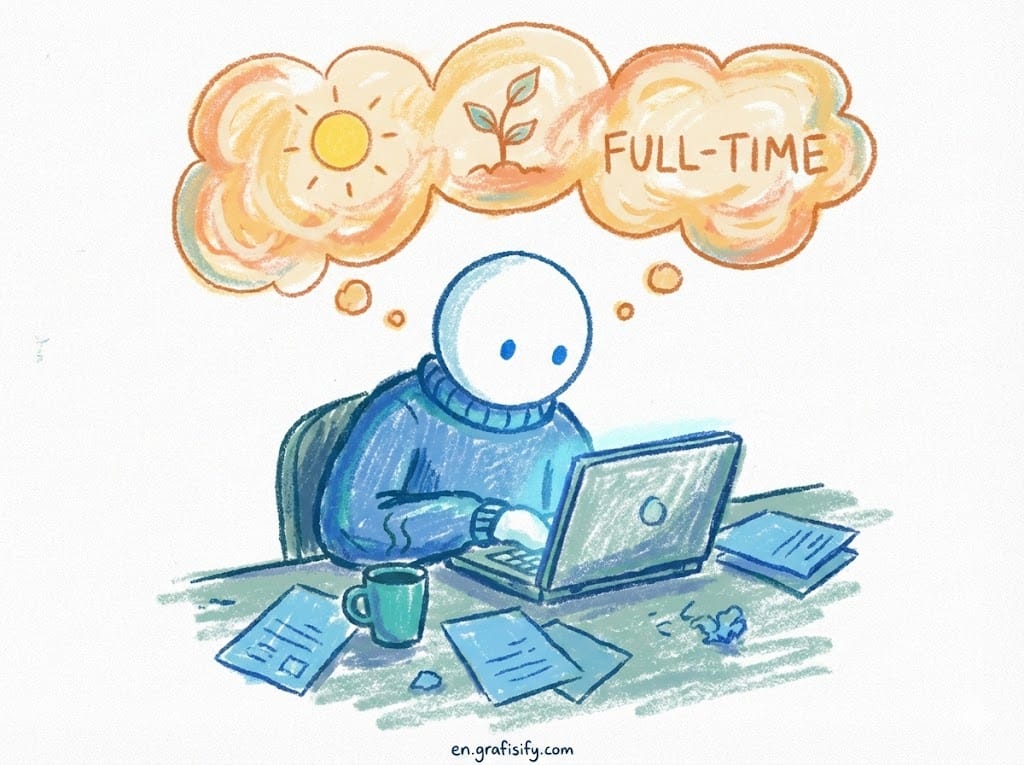
The Pricing Pivot: Stop Charging Like an Amateur
If you want to play in the big leagues, you have to wear the jersey. One of the most significant indicators that you are ready to go full-time is your ability to command professional rates. When you are just doing a side hustle, it’s easy to undercharge because, hey, it’s just “extra beer money,” right?
Wrong. That mindset is a trap.
When you go full-time, you have to factor in self-employment tax, health insurance, software subscriptions, and the unbillable hours you spend marketing yourself. If you’re charging $20 an hour for graphic design, you aren’t a freelancer; you’re a charity.
It’s time to be a game-changer for your own bank account. Move from hourly billing to value-based pricing. Don’t charge for the time it takes you to click the buttons; charge for the ten years of experience that taught you which buttons to click. Check out resources on Harvard Business Review regarding value negotiation; it’s essential reading for the serious creative.
The “I Quit” Moment: How to Leave Gracefully
So, the numbers add up. You have the savings. You have the clients. You’re gacor (performing at peak level). It’s time to fire your boss.
But wait—don’t go burning bridges. The world is shockingly small, especially in creative industries. That boss you hate today might be the client who offers you a massive contract six months from now.
The Professional Exit Strategy:
- Give ample notice: Two weeks is standard, but if you’re in a senior role, a month is classier.
- Finish strong: Don’t slack off in your final weeks. Leave a legacy of reliability.
- The Handover: Document everything. Make it easy for your successor.
For more insights on navigating the freelance ecosystem, check out our deep dive on freelance career strategies to keep your momentum going post-resignation.
Pros and Cons: The Full-Time Freelance Life
Before you sign your own paycheck, let’s look at the balance sheet of life.
| The Dream (Pros) | The Nightmare (Cons) |
|---|---|
| Total Freedom: You choose the projects, the hours, and the location. Bali on a Tuesday? Why not. | Income Instability: Some months are a feast; others are a famine. The anxiety is real. |
| Unlimited Cap: No boss capping your salary. You earn what you hustle. | Isolation: No water cooler chat. Just you and your houseplant. |
| Creative Control: You fire the clients who treat you poorly. | Admin Overload: You are the janitor, the accountant, and the HR department. |
Final Thoughts: The Road Less Traveled
Moving from side hustle to full-time is not for the faint of heart. It requires a cocktail of audacity, discipline, and a little bit of delusion. But here is the thing: staying in a comfort zone that makes you miserable is a risk, too. It’s the risk of waking up in twenty years realizing you never tried.
Is it going to be easy? No. Will there be days where you miss the predictability of a paycheck? Absolutely. But the satisfaction of building something that is entirely your own? That is a feeling no 9-to-5 can ever buy.
So, sharpen your skills, pad that savings account, and prepare for the jump. The view on the way down is terrifying, but the landing is spectacular.



 Artificial Intelligent
 Design & Creative
 Freelance
 Gadgets & Gear
 Insights
 Laptop
 Reviews
 Smartphone
 Tech Guides
 Vibe Coding