Smartphone Repairability: What Teardowns Reveal
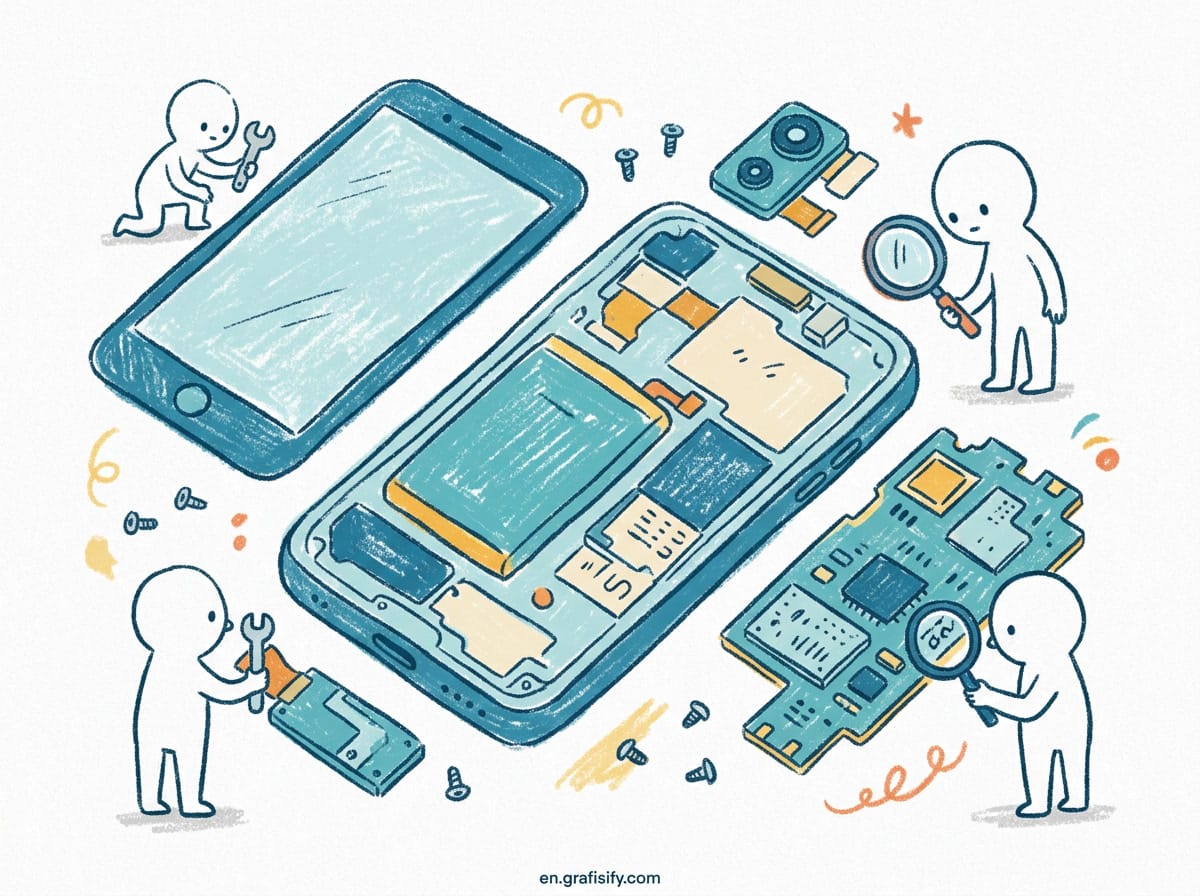
You buy a phone expecting it to last a few years. Then the battery sags, the screen cracks, or the charging port loosens, and suddenly you are staring at a repair bill that rivals a replacement. That gap between “bought it to last” and “it broke and fixing costs too much” is exactly what repairability scores try to measure. The 2026 teardown data tells a clearer story than ever: some phones are built to be opened, and others are built to be thrown away. Our 2026 laptop repairability guide ranks modular builds above soldered slabs using the same logic.
Here is the verdict up front. Fairphone 6 sets the bar with a perfect 10 out of 10 from iFixit. Mainstream flagships have improved but sit in the 7 range. Foldables and budget phones with no parts program remain the worst bets for anyone who wants a device that survives past its warranty. The EU now publishes repair scores on phone energy labels, and U.S. states are passing right-to-repair laws that ban the worst software tricks. If you care about long-term cost, the repairability score deserves a spot next to the spec sheet.
Why Repairability Suddenly Matters More
For years, repairability was a niche concern. You bought a phone, used it for two or three years, and moved on. That calculus changed for three reasons. Software support windows now stretch to seven years on Pixel devices, so the hardware outlives the old upgrade cycle. Repair laws in the EU and several U.S. states forced manufacturers to publish scores and sell parts. And teardown communities like iFixit turned “can I fix this” into a number buyers actually check before purchasing.
The most concrete shift came from the European Union. Its EPREL energy label now includes a repairability index and a letter grade from A to E for smartphones. The methodology scores six things: how many steps it takes to reach common parts like the battery, whether the device uses standard or proprietary tools, parts availability to consumers and shops, software support length, and repair documentation access. That last point matters because a phone with a great battery but no manual is still a brick when it breaks, much like how locking down a system only helps if you can actually service it.

The 2026 Repairability Scoreboard
PIRG’s “Failing the Fix 2026” report graded the major cellphone brands using the new EU scores. The ranking is blunt. Motorola leads with a B+, Google follows at C-, Samsung drops to a D, and Apple lands at D-, the lowest of the major manufacturers. These grades weight disassembly heavily, since that is the part of repair that feels identical whether you are in the U.S. or France. The full methodology lives in the Failing the Fix 2026 report, which also tracks laptop brands separately.
iFixit’s individual device scores tell the same story with more nuance. Fairphone 6 earns a perfect 10. The iPhone Air and iPhone 17 Pro both land at 7, as does the Pixel 10. Nothing Phone 3 and the Samsung Galaxy Z Fold 7 score lower, with foldables near the bottom of the table. The pattern is consistent: modular designs with standard screws win, glued slabs with hidden connectors lose. The complete list sits on the iFixit smartphone repairability page, updated as new flagships ship.
| Device | iFixit Score | Key Repair Strength |
|---|---|---|
| Fairphone 6 | 10 / 10 | Tool-free battery swap, screws only, modular USB-C |
| iPhone 17 Pro | 7 / 10 | Screwed-in battery tray, Apple Self Service parts |
| Pixel 10 | 7 / 10 | Back glass releases without heat, parts via iFixit |
| Samsung Galaxy S24 series | 5 to 6 / 10 | Better battery access, but glued display and back |
| Galaxy Z Fold 7 | Low | Folding display and hinge drive up repair complexity |
What Makes a Phone Easy to Open
The Fairphone 6 teardown shows what good looks like. Two T5 Torx screws release the back cover, which slides off. The battery sits under four screws and one flex cable, no glue. Fairphone’s own repair video shows a full battery swap from shutdown to reboot in about two minutes. The screen uses eight screws instead of adhesive. The USB-C port is modular, so a bent connector after a charging accident is a five-minute fix rather than a board-level disaster. iFixit’s full Fairphone 6 teardown writeup walks through every module, and The Verge covered the 10/10 result when the 6 Plus launched in the U.S.

Contrast that with the iPhone 17 Pro. Apple moved the battery into a screwed-in tray held by fourteen tight Torx Plus screws. That is a real win: no dangerous prying, no chemical solvents, no spare adhesive needed. But Apple dropped the dual-entry design that let you open the phone from either the screen or the back. Now more repairs route through the fragile, expensive display. The net score holds at 7, but the repair path got narrower. iFixit’s iPhone 17 Pro teardown notes the same tradeoff in detail, scoring it a provisional 7 out of 10.
Google’s Pixel line earns its 7 through a different route. The back glass releases without heat on recent models, screen repairs are prioritized, and Google sells parts and manuals through a partnership with iFixit. The Pixel 9 series also carries seven years of OS and security updates, which means the hardware stays supported long enough for repairability to actually pay off.
The Budget Phone Trap
Not every low score comes from bad engineering. Many budget Android phones earn poor marks for a simpler reason: no parts and no documentation exist. A 200 dollar phone with no replacement battery and no repair manual is disposable the moment something cracks. Our Android bloatware removal guide shows why keeping an old device usable matters as much as buying a repairable one. The Fraunhofer Institute calculated the “payoff” time for spare parts on fairphone-class devices: cameras and speakers pay off in 18 days, a display in 33, a battery in 55. A mainboard takes 719 days, which is why even repairable phones
Foldables deserve a separate warning. The hinge mechanism and folding display assembly make screen and battery repairs among the most complex jobs in mobile repair. Costs run high and the pool of qualified technicians stays small. If longevity is your priority, a foldable is the riskiest repairability bet on the market.
Parts Pairing: The Software Wall
Hardware is only half the battle. Parts pairing is the practice of tying a component to a specific phone in software, so a swapped part either fails to work or loses features. Oregon and Colorado have banned parts pairing outright. Apple’s Repair Assistant, introduced with iOS 18, now lets used genuine parts calibrate without an Apple visit, a real step forward from the old policy. Samsung’s pairing is less aggressive but expanding. The PIRG report deducts points from brands that belong to trade groups lobbying against repair legislation, so the grade reflects politics as much as design.
For buyers, the practical takeaway is direct. A phone that scores 7 or above with available parts and a published manual will almost always cost less to own over four years than a glued flagship with no documentation. Below 5 is a warning sign for total ownership cost, not just fixability.
How to Use Repairability Scores When Buying
You do not need an engineering degree to apply this. Before purchasing, search the model name plus “iFixit repairability” and read the score and the teardown notes. Favor phones with standard screws over proprietary fasteners. Check whether the maker sells parts to individuals, not just authorized shops. Look at the software support window, because a repairable phone with dead updates is still e-waste by a fixed date.
If you live in the EU, the repair grade is already on the box. U.S. buyers do not have a federal label yet, but 22 states have active right-to-repair bills, and New York, Oregon, Colorado, Minnesota, and Washington have laws on the books. A consistent U.S. score modeled on the EU system would let you compare fixability the way you compare fuel economy. Until then, the iFixit number is your best single reference, much like how our design tool comparisons help you weigh build choices before committing.
One more angle worth checking: the cost of the most likely repair, not the headline score. Screens and batteries fail far more often than mainboards, so weight the teardown notes toward those two jobs. A phone that scores 7 but makes battery swaps trivial will save you more over three years than a phone that scores 8 but glues its battery under the display. Read the specific procedure, not just the final number.
Frequently Asked Questions
Does a high repairability score mean the phone is cheap to fix? Not always. The score measures how easy the design is to open and which parts are available, not what the manufacturer charges for those parts. Fairphone sells spares at fair prices, but some flagships with decent scores still price their genuine batteries high. Check part cost alongside the score.
Are foldables worth avoiding for repair reasons alone? If longevity is your main concern, yes. The hinge and folding display make screen and battery work complex and expensive, and the technician pool is small. A slab phone that scores 7 will almost always be cheaper to keep alive.
Does right-to-repair legislation actually change what I can do? In states that ban parts pairing, a swapped component keeps full function instead of losing features. That removes the software wall that once forced genuine-part-only repairs. Where the law has not passed, pairing still limits third-party fixes.
Is the iFixit score the only number that matters? It is the most consistent public reference, but pair it with the maker’s software support window and parts availability. A perfect teardown score means little if the phone stops receiving security updates next year.
Final Thoughts
Repairability is no longer a hobbyist footnote. The 2026 data shows a real split: companies like Fairphone and Google treat repair as a design goal, while others still ship glued slabs and fight the laws that would open them. A phone is a long-term purchase, and the score tells you whether the maker expects you to keep it or replace it. Check the number before you buy, because the cheapest phone to own is the one you can still fix in year four.

Irfan is a Creative Tech Strategist and the founder of Grafisify. He spends his days testing the latest AI design tools and breaking down complex tech into actionable guides for creators. When he’s not writing, he’s experimenting with generative art or optimizing digital workflows.





 Artificial Intelligent
 Design & Creative
 Freelance
 Gadgets & Gear
 Insights
 Laptop
 Reviews
 Smartphone
 Tech Guides
 Vibe Coding