Why Most AI Tools Get Abandoned Within 90 Days

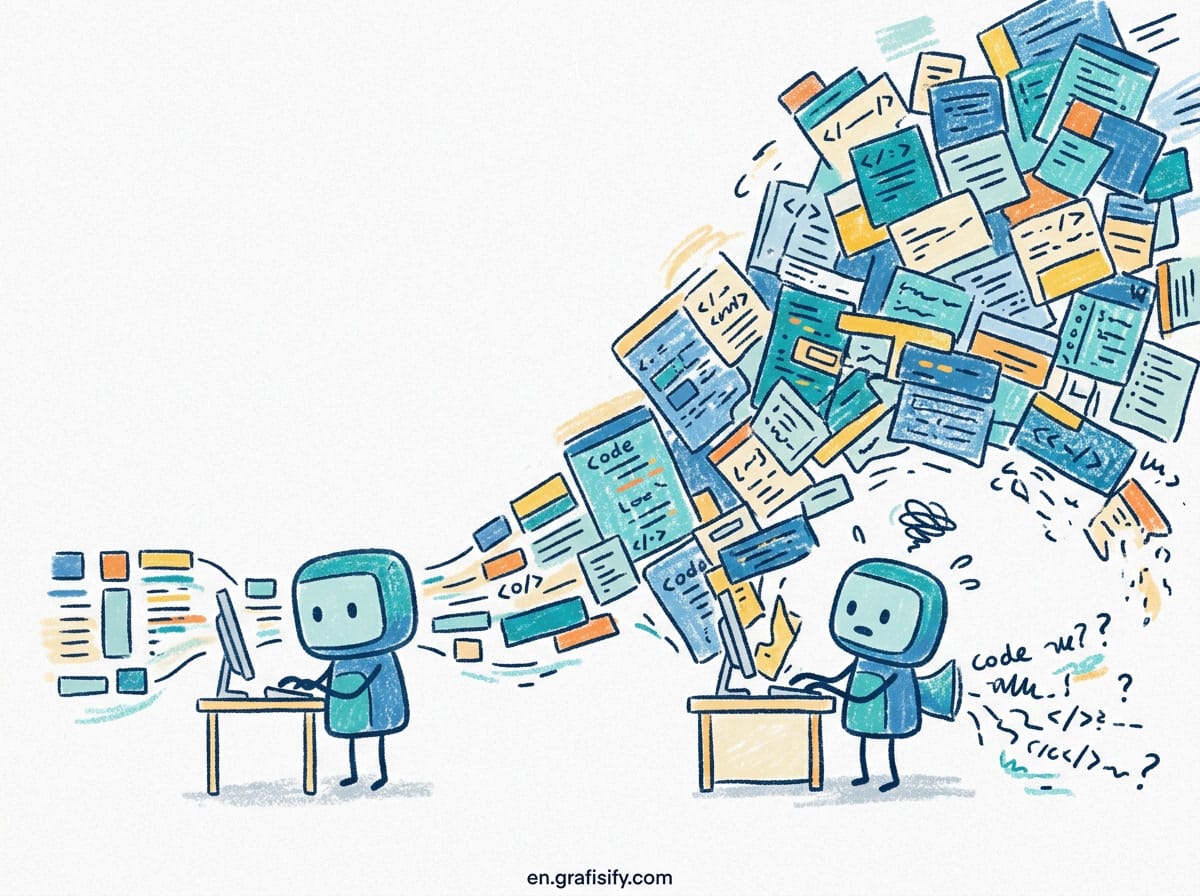
I have watched this pattern repeat across more teams than I can count. You bought the AI tool. The team tried it for a week. Then the logins stopped. The subscription is still running, but nobody opens the tab anymore. This is not a rare event. It is the most common ending for generative AI deployments in 2025 and 2026, and the data behind it is now too consistent to dismiss as bad luck.
The tool probably worked. The problem was never the model. It was the gap between a working demo and a habit that survives a busy quarter. If you understand that gap, you can pick tools that stick instead of ones that become expensive line items.
What the Numbers Actually Show
MIT’s Project NANDA published “The GenAI Divide: State of AI in Business 2025,” built from 300 public deployments, 150 leader interviews, and a survey of 350 employees. Its headline finding: about 95 percent of enterprise generative AI pilots delivered no measurable profit-and-loss impact. Only 5 percent of deeply integrated systems created significant value. The report stresses this is not a model-quality problem. Generic chatbots reached roughly 83 percent adoption for simple, low-stakes tasks, then stalled the moment real work demanded context, memory, and customization. GeniusFirms’ analysis of the 90-day abandonment window reaches the same conclusion from the consulting side.
S&P Global Market Intelligence tracked the abandonment trend directly. The share of companies that scrapped most of their AI initiatives climbed from about 17 percent to 42 percent in roughly two years, documented in its 2025 Voice of the Enterprise survey. The average organization abandoned 46 percent of its AI proofs of concept before they reached production. Reviewner breaks down the week-by-week decay curve behind those numbers.
Gartner forecast that 30 percent of generative AI projects would be abandoned after proof of concept by the end of 2025, and that 60 percent of projects lacking AI-ready data would be dropped through 2026.
None of these numbers describe broken software. They describe software that stopped being part of how anyone gets work done.
Also Read:
The 90-Day Usage Curve
The decay follows a predictable shape. Analysts now treat the first quarter after rollout as the make-or-break window for any AI deployment.
| Phase | Week | Dashboard shows | What is really happening |
|---|---|---|---|
| Novelty | 1 to 2 | Activation 70 to 90 percent | Curiosity logins, no load-bearing work |
| Friction | 3 to 5 | Usage flat, tickets near zero | First hard task handled badly, trust dips |
| Silent quit | 6 to 8 | Weekly active down 40 to 60 percent | Users revert to the old process without telling anyone |
| Renewal review | 9 to 12 | Single-digit weekly actives | Finance flags the line item, champion goes quiet |
The login is the number that lies. A login is not adoption. Adoption is the moment someone picks the tool over the way they already did the task. That moment almost never arrives on its own.
Practitioners who track this closely describe the same pattern. AI Smart Ventures, which reports working with close to 1,000 mid-sized organizations, places typical abandonment inside a 30 to 90 day window. Their full postmortem on abandoned AI tools is worth reading if you are managing a rollout. Adoption specialists describe a recognizable dip in weeks three and four, once the launch event is over and the novelty has worn off.
Reason 1: The Tool Was Bolted Onto a Workflow It Never Fit
Surviving AI tools are embedded where people already work. If using it means opening a new tab, re-uploading a file, then copying output back into the real document, that friction compounds across every single use. The old process wins because it costs zero cognitive switching.
MIT framed the same problem as a learning gap. Generic assistants suit individuals because they are flexible, and they stall inside organizations because they do not retain context or adapt to a specific workflow. The tool that cannot remember how your team formats a client report will be asked to format one exactly twice.
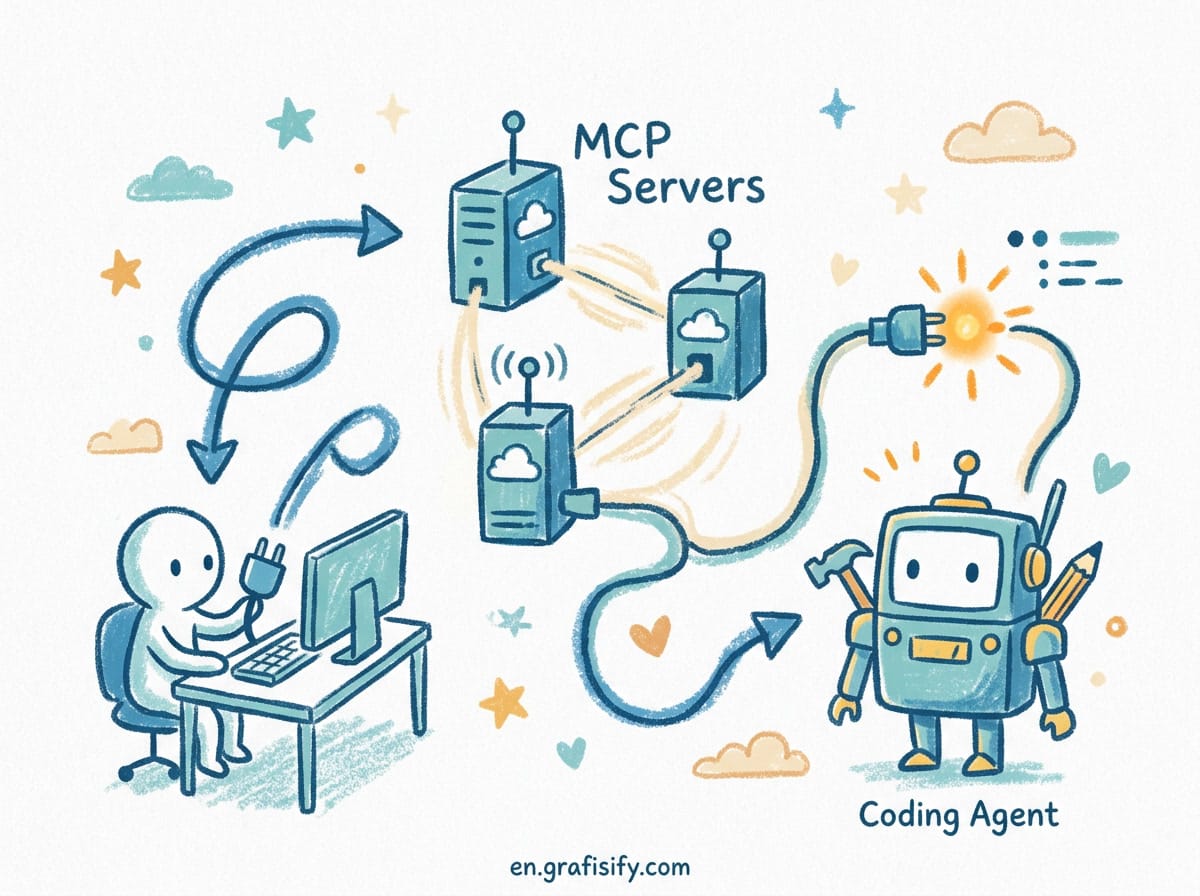
You can see this play out in the tools that do stick. When AI lives inside the editor, the terminal, or the inbox, it becomes part of an existing habit instead of a new one to form. Our coverage of debugging AI coding agents shows how much depends on the assistant being present exactly where the work happens.
Reason 2: Training Stopped at the Demo
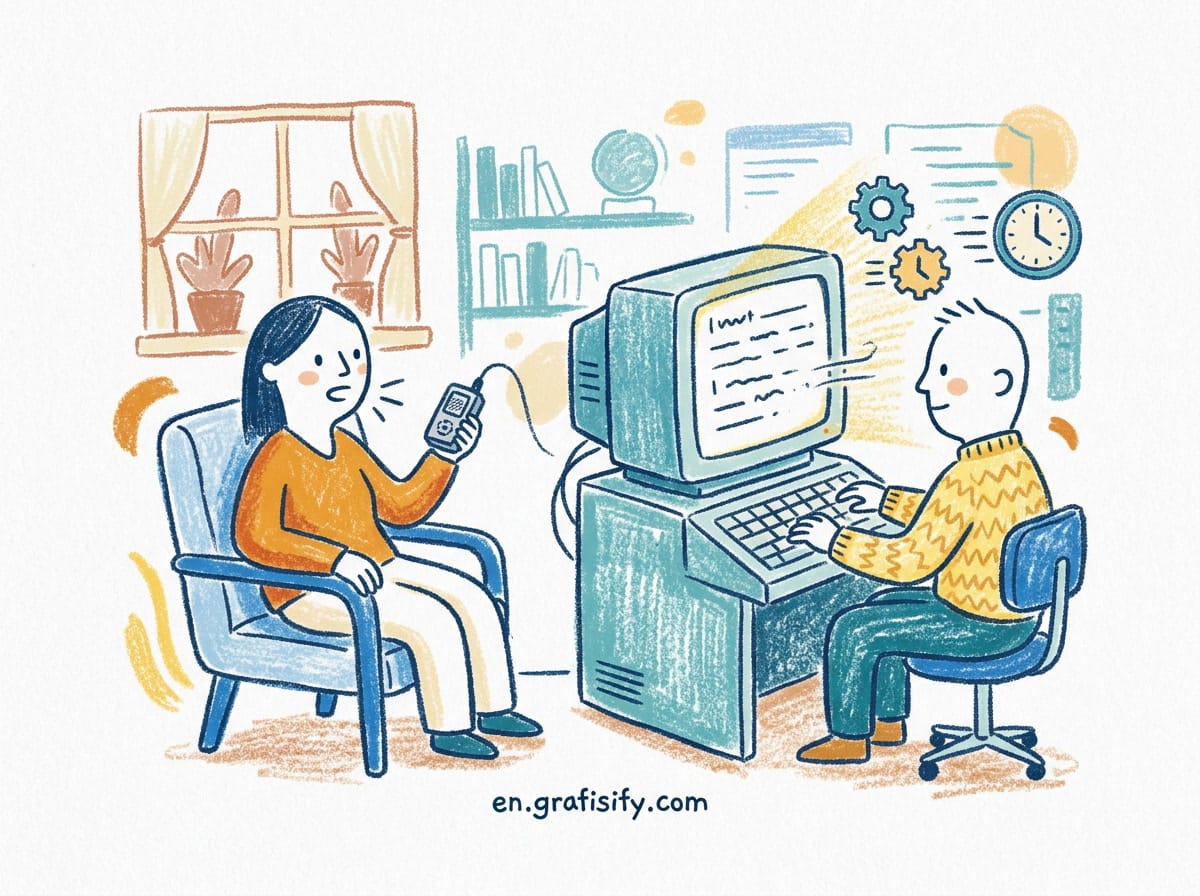
The single largest lever on sustained use is not the tool. It is what happens after it arrives. Research from the London School of Economics and Protiviti found that 93 percent of employees who received AI training used the tools regularly, compared with only 57 percent of those who did not. Trained employees saved an average of 11 hours a week, against 5 hours for the untrained.
The same study found that 68 percent of employees had received no AI training in the previous twelve months. A demo teaches people how the tool works, but not what to do with it the next morning, which is the moment abandonment usually begins.
BCG found that more than 85 percent of employees remain at early stages of adoption, using AI mainly for basic lookups, while fewer than 10 percent reach the point where it is central to their core work. I see this in every team I advise: training is the difference between those two groups, and most programs stop at an introductory session.
Reason 3: The Verification Tax Exceeds the Time Saved
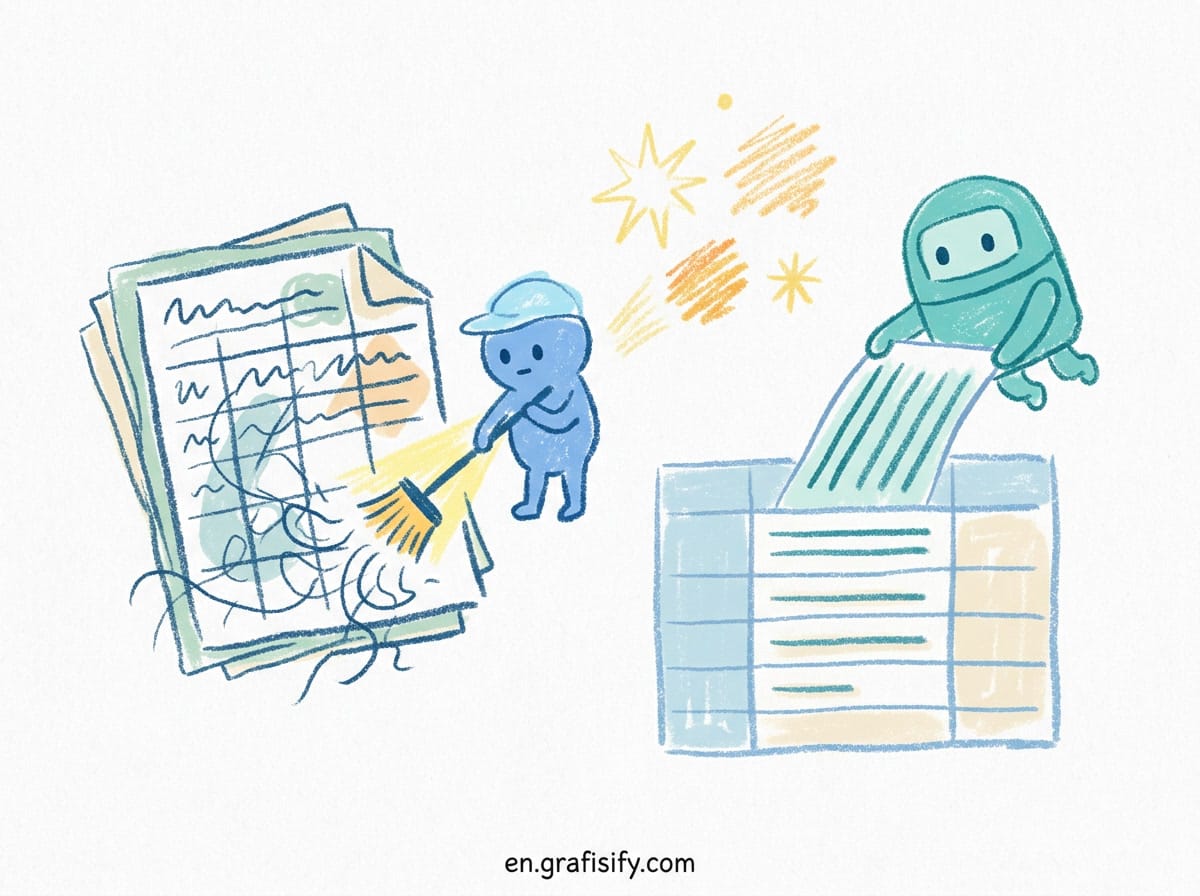
The first load-bearing assignment lands. Someone asks the tool to pull correct figures out of a messy spreadsheet, or to draft a client update that references last quarter’s numbers. The output comes back plausible and slightly wrong.
Now the user has a second job: checking the work. If verification takes eight minutes on a task the tool saved ten minutes on, the net gain is two minutes and a new kind of stress. Forbes contributors call this the verification tax. When an AI system is confidently wrong, employees spend more time checking its output than they save, and that hidden cost quietly erodes any return.
The LSE and Protiviti research found that fewer than half of AI users, 49 percent, trust AI-driven decisions. Distrust is a rational response to output that is confidently wrong, and it converts directly into time. Tools that survive this phase tend to be the ones where a wrong answer is cheap to spot.
This is where narrow tools beat broad ones. Our guide to AI spreadsheet tools that write formulas shows the value of a tool whose errors are obvious and contained, not buried in a confident paragraph.
Reason 4: It Solved a Leadership Problem, Not a Work Problem
MIT’s Project NANDA found that more than half of generative AI budgets went to sales and marketing, the flashy and board-friendly use cases, even though the measurable returns clustered in back-office functions such as document review, procurement, and risk.
The tell is procedural. Nobody spent thirty minutes sitting beside the person who would use the tool daily, watching what they actually do, before the purchase order went out. Tools bought to demonstrate an AI strategy get deployed to the most visible department rather than the one with the worst friction.
MIT’s NANDA data shows pilots blending internal specialists with external expertise reached roughly a 67 percent success rate, against about 22 percent for IT-only internal builds. Specialized vendors succeeded near 67 percent of the time by focusing on workflow fit, while purely internal builds landed closer to a third, largely because teams underestimated the cost of integration and stalled in the pilot stage.
Reason 5: A Login Is Not Adoption
Everyone logs in once. They ask it to summarize a meeting or draft an email they were going to write anyway. Activation looks spectacular because activation measures curiosity.
The real test is whether someone picks the tool over the way they already did the task. For most teams that never happens, because the tool was never aimed at a genuinely painful, repeatable problem. A dashboard showing 74 percent activation looks like success. Three weeks later, half the team has quietly returned to the old process, not out of hostility but because the old way was good enough.
1up’s research on internal AI assistant adoption makes the point plainly: most teams build the assistant to replace searching, but almost nobody was searching. They were asking a coworker, and that bar is higher than it looks.
Our roundup of AI note-taking apps makes the point: the apps that survive are the ones that remove a specific annoyance, not the ones that promise to reorganize your entire life.
Reason 6: Shadow AI Already Won
Project NANDA surfaced a gap that explains a lot of dead dashboards. Around 40 percent of companies had bought official large language model subscriptions, while roughly 90 percent of surveyed employees reported using personal AI tools for work.
Your team is not resisting AI. They are using a consumer chatbot on a second screen because it has no approval workflow, no onboarding, no admin console, and no learning curve. The sanctioned tool is competing against a habit that is already established.
Zylo’s 2025 SaaS Management Index found that only 49 percent of provisioned software licences are actually used, and the average organization burns $21 million a year on seats nobody opens. AI tools sit at the worst end of that range because they are bought fastest and governed last.
How to Pick Tools That Stick
The failure patterns map cleanly onto a fix. None of it requires a better model.
- Pick the workflow before the tool. Map the process you want to change instead of buying software and hunting for a use case.
- Scope narrowly. Aim a first deployment at one painful, repeatable task rather than a broad, board-pleasing showcase.
- Treat adoption as a project in its own right. Name an owner, build a 30-day practice period, and give people role-specific prompt libraries so the first independent session is not a blank screen.
- Embed the tool where the work lives. If people copy output between two systems by hand, fix that before you blame usage.
- Measure the right thing. Replace license counts and activation dashboards with metrics that track real workflow change.
- Move the review from day 90 to day 45. The decay curve puts the silent quit at weeks six to eight, which means a quarterly cadence guarantees you find out after the tool is already dead.
Our explainer on connecting any AI tool to your data is a good example of the integration-first mindset that keeps tools alive past the novelty window.
Final Thoughts

The 90-day cliff is not a technology problem, and switching vendors rarely fixes it, because the causes tend to be organizational rather than technical. The data across MIT, S&P Global, BCG, and the London School of Economics points to the same conclusion from different angles: tools survive when they are aimed at a genuinely painful task, supported by real training, built with the right partners, and measured by whether the work actually changed.
An AI system a team does not use is not a failed experiment in artificial intelligence. It is an expensive decoration, and the first 90 days decide which one it becomes.

Irfan is a Creative Tech Strategist and the founder of Grafisify. He spends his days testing the latest AI design tools and breaking down complex tech into actionable guides for creators. When he’s not writing, he’s experimenting with generative art or optimizing digital workflows.
You might also like

 Artificial Intelligent
 Design & Creative
 Freelance
 Gadgets & Gear
 Insights
 Laptop
 Reviews
 Smartphone
 Tech Guides
 Vibe Coding