Async Updates: How Freelancers Build Trust Without Meetings
TL;DR
Daily client calls waste the hours you billed to do the work. A fixed-cadence written update, five parts, under 200 words, builds more trust than scattered messages. Predictability beats frequency. Reserve live calls for decisions, not status. This guide gives you the format and the tool setup to run it this week.
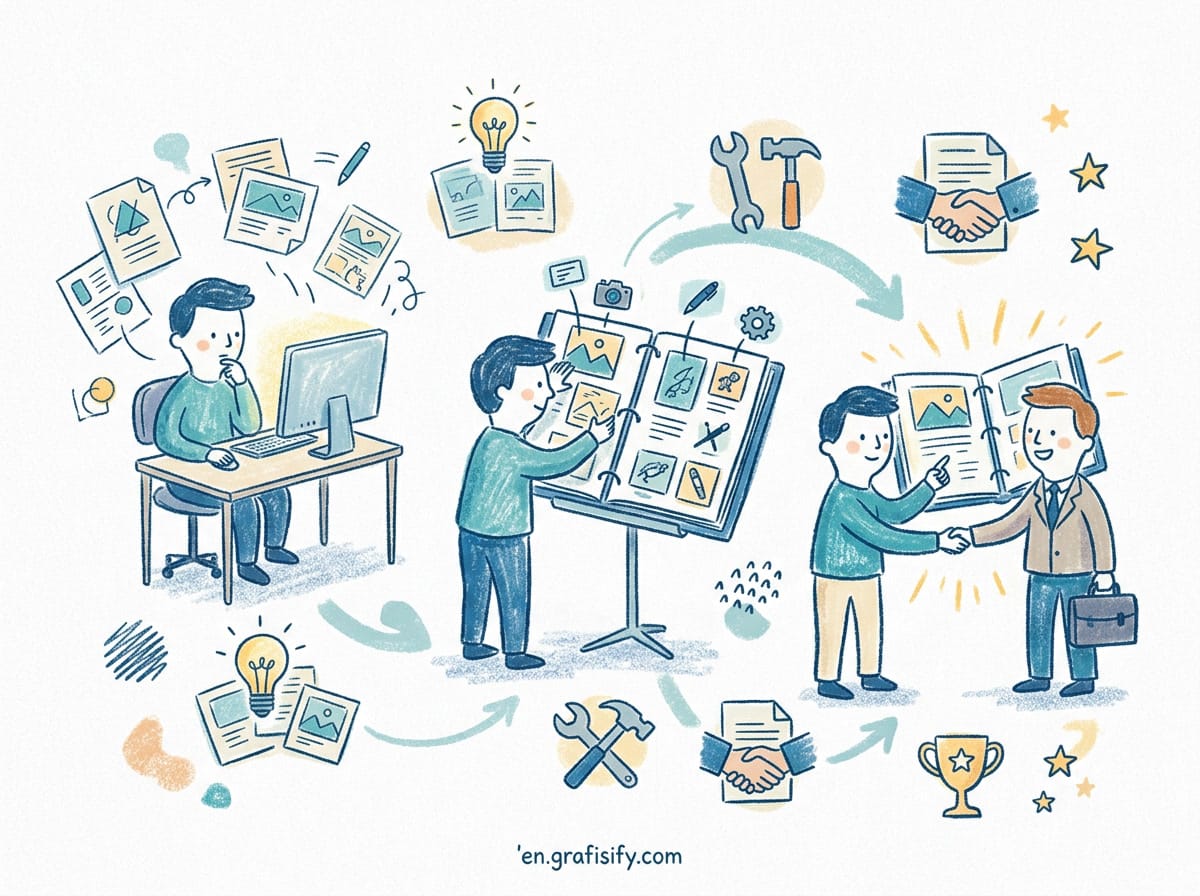
The freelancers who keep clients through slow seasons are not the most gifted. They are the ones whose clients never wonder if the project is moving. An async update is a retention tool wearing a status-report costume. Ship it on a schedule and let the consistency do the selling.
Why Daily Standups Killed Your Freelance Momentum
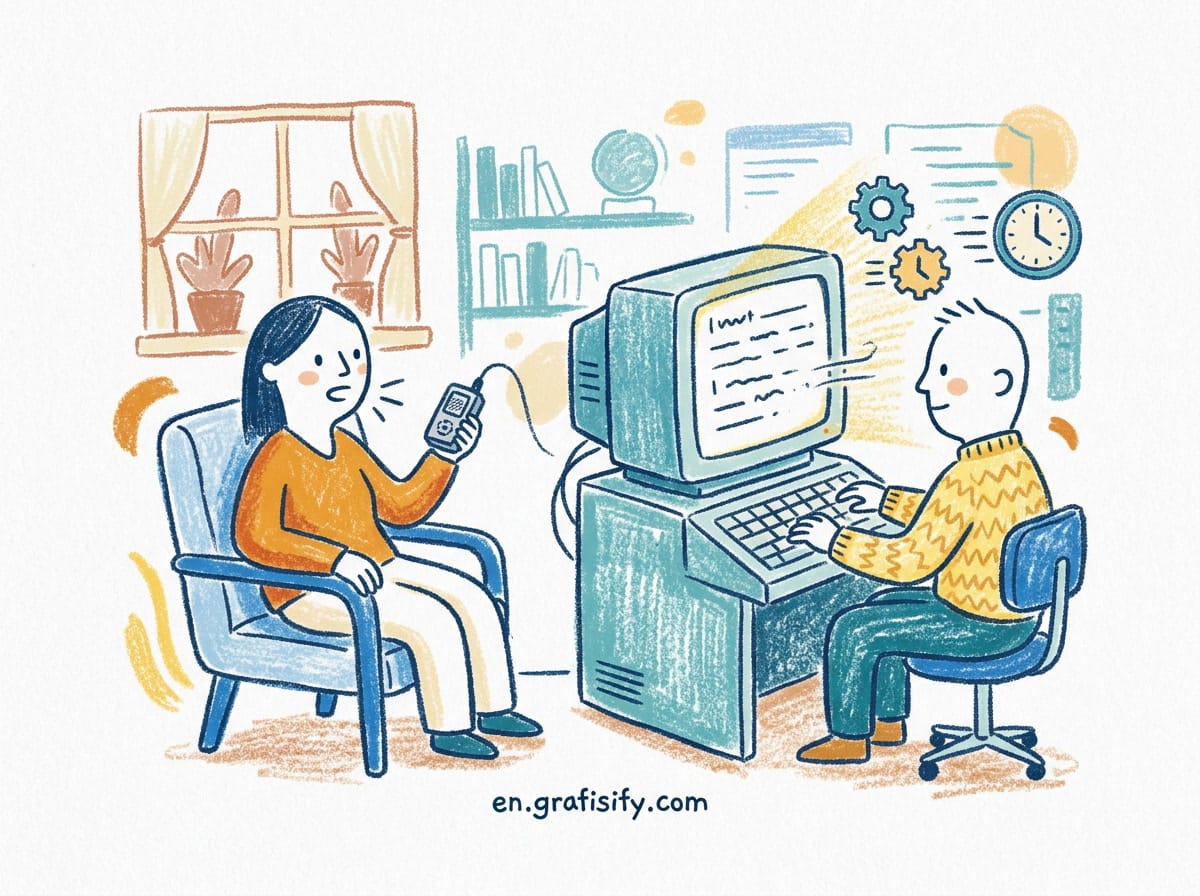
Most freelancers inherit a client habit from their corporate past: the daily check-in. A 9 a.m. call, a status message, a Slack ping that interrupts deep work for a progress report nobody reads twice. It feels accountable. It usually just burns the hours you billed the client to actually do the work.
Async client updates flip the model. You write a short, structured note on a schedule the client can rely on, and you reserve live calls for decisions that genuinely need a conversation. The client still feels informed. You keep your focus. The trust does not come from frequency of contact. It comes from consistency of contact.
This guide walks through a practical async update system you can ship this week, the format that survives client scrutiny, and the mistakes that quietly erode trust even when you are “communicating plenty.” If you already run cold email outreach for freelance clients, the same written discipline applies to keeping them.
The Core Principle: Predictability Beats Frequency
Trust is not built by how often you talk. It is built by whether the client can predict your next message. A freelancer who sends a thorough update every Friday at 4 p.m. builds more confidence than one who fires off five scattered messages on random afternoons. The client learns the pattern, stops checking their phone for your name, and redirects that mental energy back into their own work. That quiet relief is the product you are actually selling.
The freelancers who survive dry spells are rarely the most talented. They are the ones whose clients never wonder whether the project is moving. A predictable update is a retention engine disguised as a status report. When budget cuts come, the client keeps the person they never had to chase.

Clients hire freelancers to remove uncertainty. When your updates arrive on a fixed rhythm, the client stops wondering “is this person still working on my project?” That question, left unanswered, is what breeds micromanagement. Kill the question and you kill the urge to schedule a meeting about it.
Set one update cadence and defend it. For most project work, a weekly written update plus an immediate heads-up on anything that changes scope, deadline, or budget is enough. For short sprints under two weeks, bump it to twice a week. Never let a week pass with zero signal.
A Update Format That Actually Works
Length does not matter as much as structure. Clients skim. Give them anchors. A reliable async update contains five parts:

- What shipped. Concrete deliverables, with links. “Homepage hero section live at /preview” beats “made progress on the design.”
- What is next. The immediate next two or three steps, so the client sees the path.
- Blockers. Anything you need from them, stated plainly. This is where most freelancers go silent and cause delays.
- Decision needed. A yes or no question, not an open-ended “thoughts?”
- Timeline. A realistic date for the next milestone, stated as a commitment, not a hope.
Keep the whole thing under 200 words. If a client wants detail, they ask. Your job is to make the default scan take 30 seconds and the deep read take two minutes.
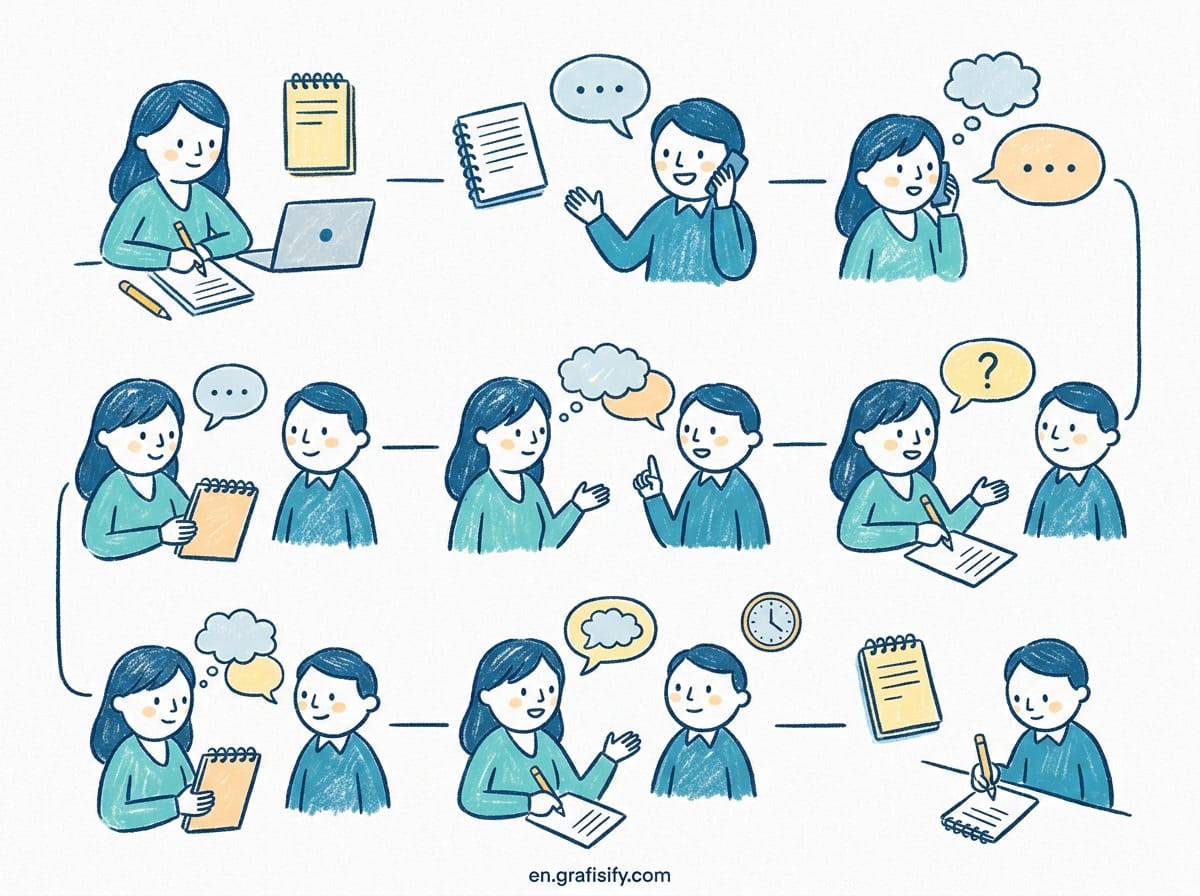
Use the same document or thread every time. A running log the client can scroll beats a fresh email each week, because the history itself becomes proof of progress when a project drags. When a client questions why something took two weeks, the log answers before you do. That is the difference between defending your work and proving it. Teams that run their own n8n automation often wire this log straight into a client-facing notebook.

Tools That Stay Out of the Way
You do not need a heavyweight project tool to run async updates. The best setup is the one the client already opens. Three tiers work in practice:
| Tool | Best for | Client friction |
|---|---|---|
| Loom or a 2-minute screen recording | Showing visual work (design, code, edits) | Low, if under 3 minutes |
| Shared Google Doc or Notion page | Long projects with running history | Low, links in email |
| Plain email with a fixed template | Clients who refuse new tools | None |
Toggl Track and similar time tools help you back up claims with real hours, which matters for hourly contracts. But do not send raw timesheets as your update. Translate the hours into shipped work. A client cares that the login flow is done, not that you logged 6.5 hours.
Reserve live calls for kickoffs, major pivots, and conflict. Everything else is a written note. When a client demands a daily call, propose a twice-weekly call plus written updates and show them the time saved. Most will take the deal once they see the update notes are actually readable. The same focus discipline shows up when you run context engineering for AI agents, where a predictable input format beats constant hand-holding.
Mistakes That Erode Trust While You Think You Are Communicating
Sending updates is not the same as sending useful updates. These four habits quietly damage client confidence:
1. The vague status. “Still working on it” is a trust tax. It forces the client to chase specifics. Always attach a concrete artifact or number.
2. The surprise delay. If a deadline slips, the client must hear it from you before they notice it themselves. An async system only works if bad news travels on the same schedule as good news. State the slip, the reason, and the new date in the same note.
3. The open question. “What do you think?” dumps work back on the client. “Should I ship the mobile layout before the desktop version, yes or no?” lets them answer in five seconds. Async respects their time.
4. The wall of text. A 900-word update signals disorganization. Break it into the five-part format. If there is real complexity, link a doc and summarize the three decisions needed. A client who opens your note and sees a wall of text will skim the first line and assume the rest is fine, which means they miss the blocker you buried at the bottom. Put the blocker first if it is urgent.
5. The silent good news. Freelancers often report problems fast and wins slowly, as if good news can wait. It cannot. A shipped milestone in the update is what makes the next invoice feel earned. When the client sees tangible output on a fixed rhythm, price becomes a footnote and trust becomes the contract.
The pattern underneath all four: treat the client’s attention as the scarce resource. Your update competes with their inbox, not with silence. Freelancers who adopt AI agents for personal finance learn the same lesson. The tool only earns trust when its output is predictable.
Building Trust Across Time Zones
Async updates are the only scalable way to serve clients in different time zones. A freelancer in Jakarta can run three US clients and one EU client without a single 2 a.m. call, because the update lands in their morning and reads the same whether it was written at midnight or noon.
The trick is the handoff. End each note with exactly what you need from them before you resume, so their reply waits in your queue when you start the next day. The work feels continuous to them and contained to you. That is the entire value proposition of async freelancing across zones.
Upwork’s own guidance to freelancers stresses managing expectations and preventing misunderstandings before they happen. The written update is the cheapest tool for both. A short note that says “I will finalize the copy by Thursday, pending your brand voice notes” prevents the Friday panic where neither side knew who owned the delay. Read the full playbook at Upwork’s client communication guide.
Final Thoughts
Async client updates are not a soft skill. They are an operating system for your freelance business. Pick one cadence, use one format, and never let a week go silent. The client who can predict your next message stops needing to manage you, and that is the moment you stop trading time for trust and start charging for outcomes.
Start with your next client. Send the five-part note this Friday, on a fixed template, and tell them it will arrive every Friday. In a month, ask whether they felt informed. The answer will tell you more about your retention than any pitch ever will.

Irfan is a Creative Tech Strategist and the founder of Grafisify. He spends his days testing the latest AI design tools and breaking down complex tech into actionable guides for creators. When he’s not writing, he’s experimenting with generative art or optimizing digital workflows.
 Artificial Intelligent
 Design & Creative
 Freelance
 Gadgets & Gear
 Insights
 Laptop
 Reviews
 Smartphone
 Tech Guides
 Vibe Coding