How to Build a Personal AI Workflow: From Notes to Action

Why a Personal AI Workflow Beats a Collection of Tools
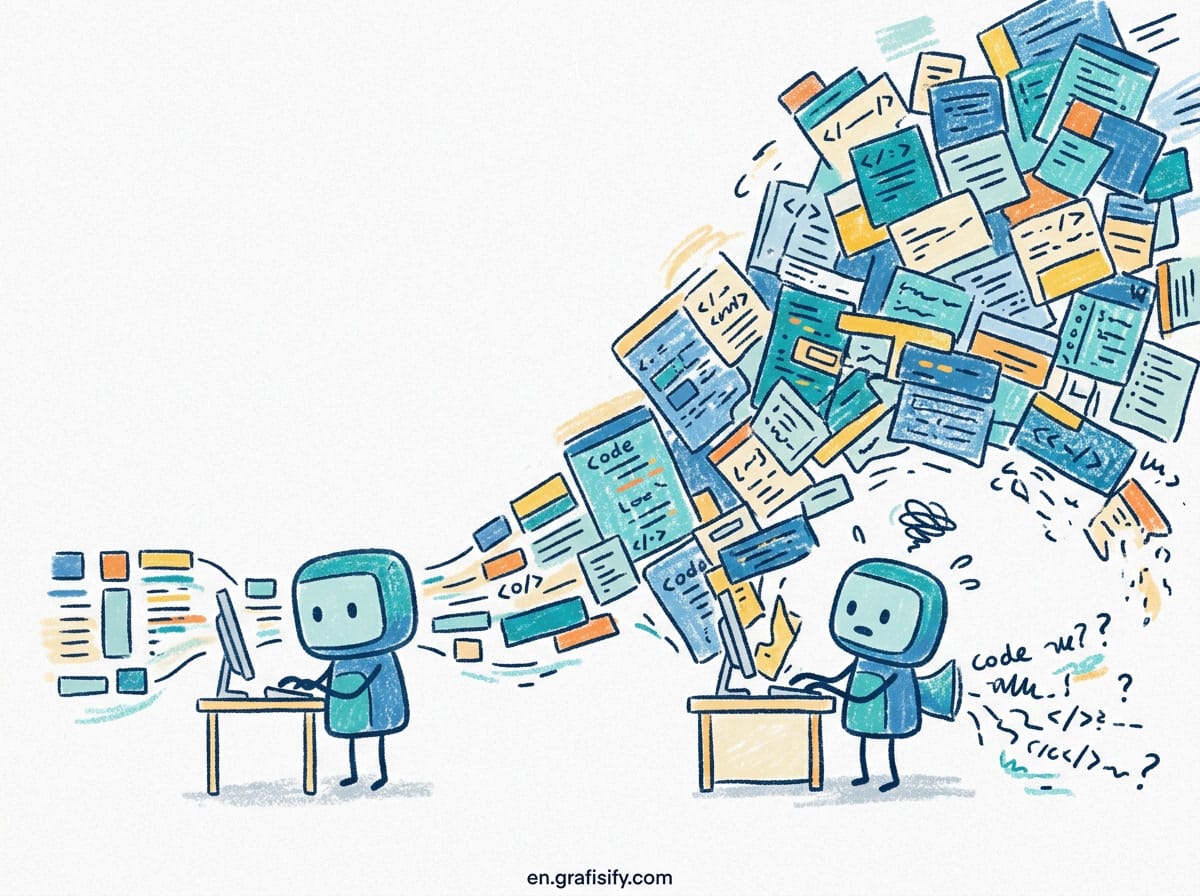
Most people who subscribe to AI tools end up with the same problem. They pay for five apps, use each one a couple of times a week, and still feel like the work is not getting easier. The tools are not the issue. The issue is that they have tools, not a workflow.
A workflow is a repeatable process. It moves a piece of work from input to output without you deciding what to do at each step. When you have one, AI stops being a novelty you open when you remember it and becomes a default part of how you work.
This guide walks through a system that works for knowledge workers, freelancers, and small teams. It takes raw input, like meeting notes, a chat message, or a research link, and turns it into something you can act on. No coding required. You can set it up in an afternoon with tools you already pay for.
Step 1: Define Your Inputs and Your Desired Outputs
The first mistake people make is starting with the tool. They open a chatbot and ask it to do everything, then wonder why the results feel disconnected. Start with the job instead.
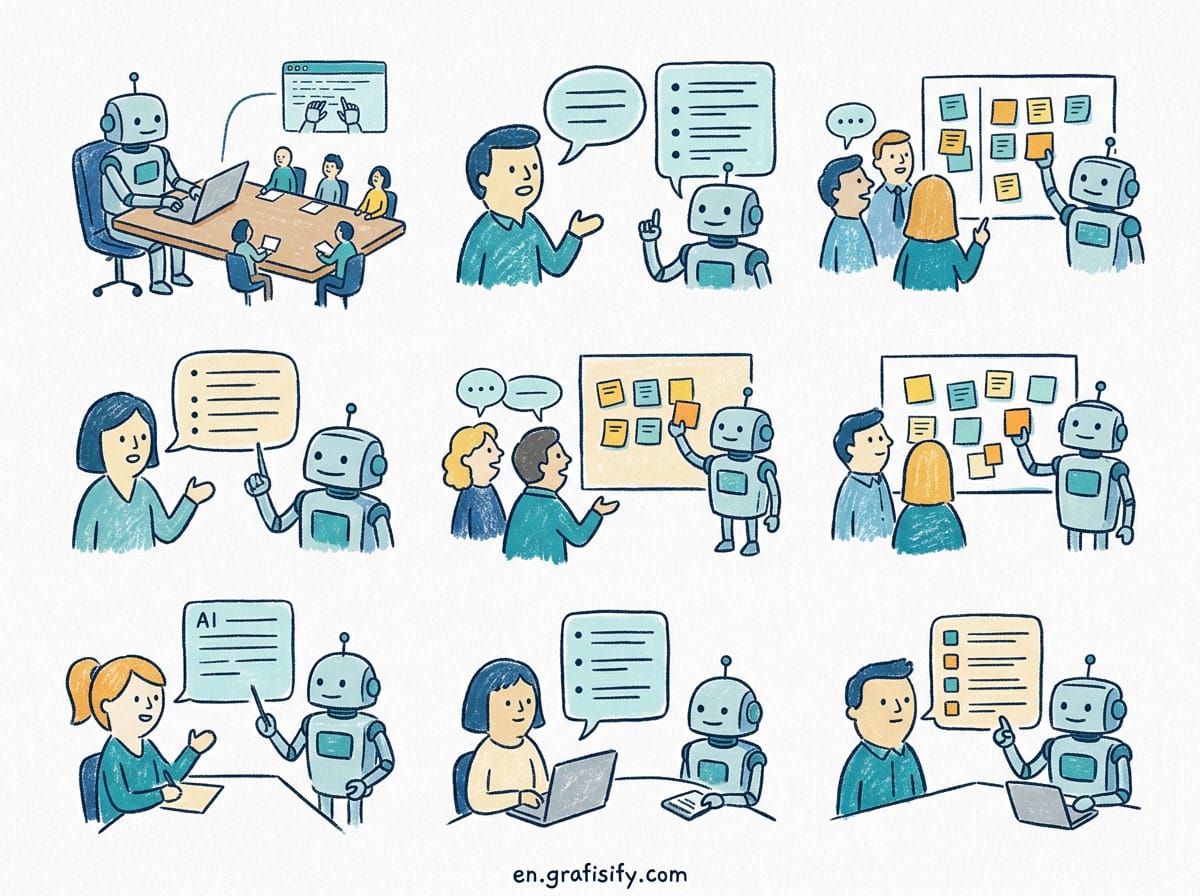
List the raw inputs that actually show up in your week. For most professionals that means meeting recordings, email threads, research articles, brainstorm notes, and client messages. Then define what you want each one to become. A meeting becomes an action list. A research article becomes a summary with key numbers. A brainstorm becomes a prioritized plan.
Write these pairs down. Input, then output. This list is your blueprint. Every step after this exists to make one of these conversions happen without friction.
Here is a small example to make it concrete:
Also Read:
| Input | Desired Output | Frequency |
|---|---|---|
| Meeting recording | Action items with owners and deadlines | Daily |
| Client email | Draft reply with the client’s actual ask highlighted | Daily |
| Research article | Summary with stats and source links | Weekly |
| Scattered ideas | Prioritized list grouped by theme | Weekly |
Keep the list to four or five conversions. Anything longer becomes a chore to maintain. You can always add more later, but starting small is what makes the habit stick.
Step 2: Pick One Primary Hub, Not Three
You do not need a separate AI app for notes, another for documents, and a third for chat. That fragmentation is what kills most workflows. Instead, choose one place where your raw material lands, and let that hub do the heavy lifting.
The most practical hub is a notes or documents app that has AI built in. NotebookLM, Notion AI, and similar tools accept uploaded files and links, then answer questions about them. That single capability replaces the habit of copying text between a dozen apps.
Also Read:
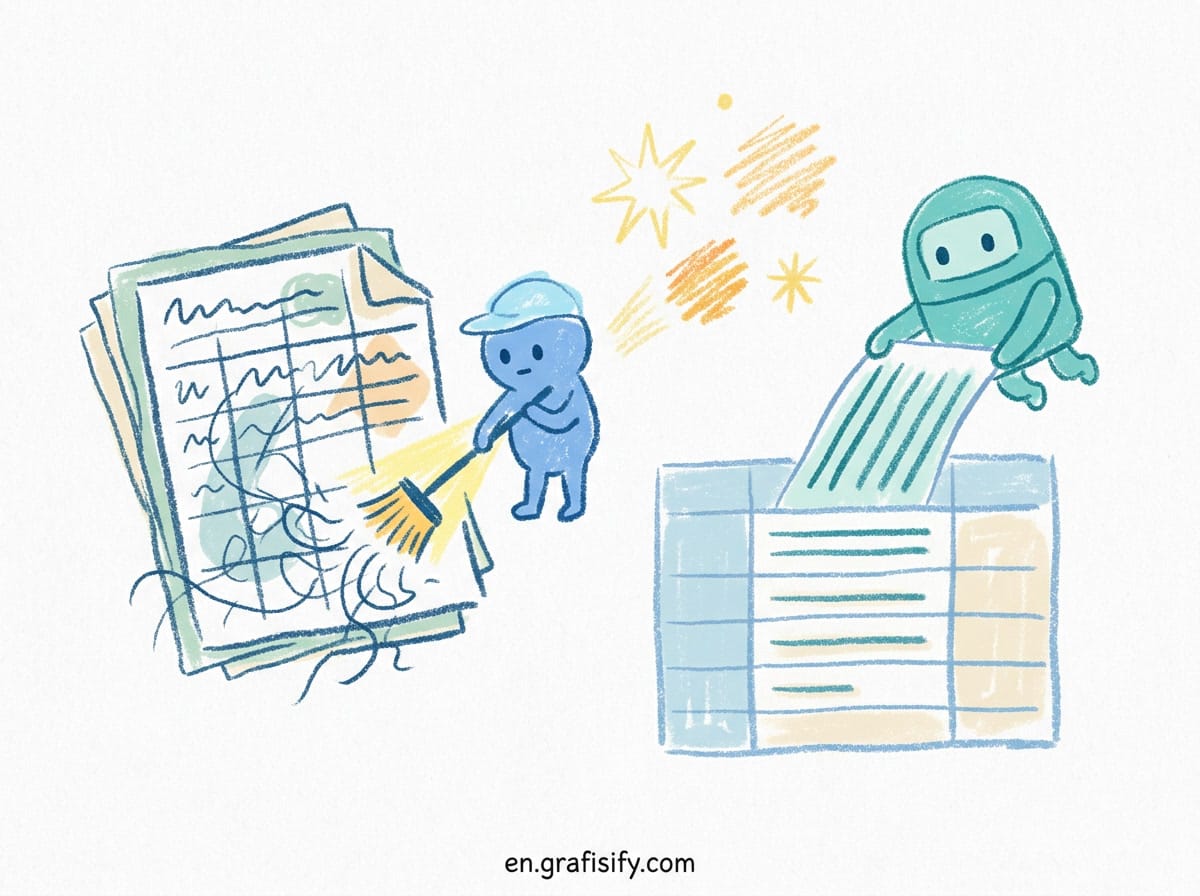
If you are on a budget, even a well-organized folder of markdown files works, as long as you have one AI tool that can read that folder and summarize it. The app matters less than the rule you set: everything you want to process goes into one inbox, and only one.
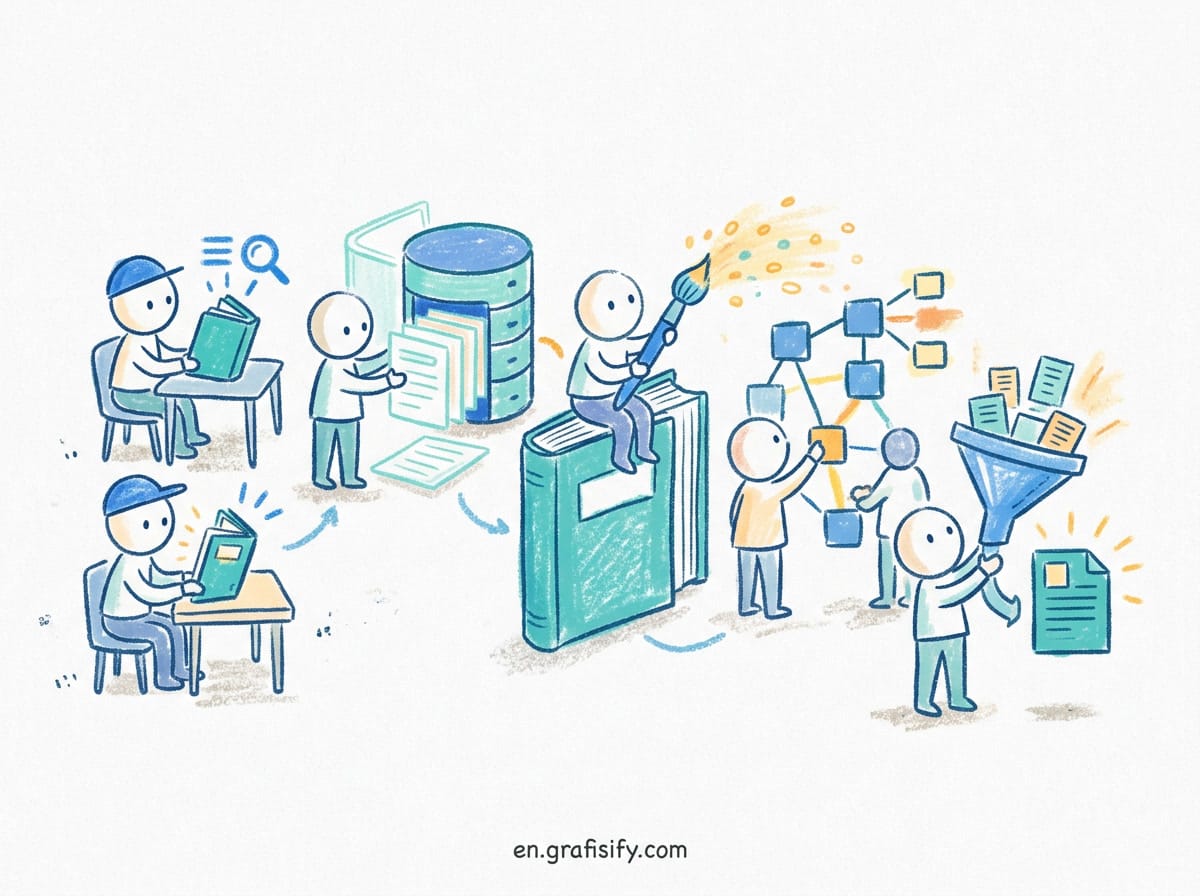
When you force all input through a single hub, two good things happen. First, nothing gets lost, because there is only one place to look. Second, the AI builds useful context over time. Each new note sits next to the old ones, so answers improve as your archive grows.
Step 3: Build a Repeatable Prompt Template
Most people write a new prompt every time and get inconsistent results. A template fixes that. You decide once how you want each type of output structured, then reuse it.

A prompt template has three parts. A fixed role, a fixed output format, and a slot for the raw input. Here is one you can copy for turning a meeting into action items:
Template: “You are my project assistant. Read the meeting notes below and return three things: a list of decisions made, a list of action items with an owner and deadline for each, and a one sentence summary of what changed since our last meeting. Do not invent owners or deadlines that are not in the notes. If something is missing, say so explicitly.”
That fixed structure does two things. It tells the model what to ignore, like vague opinions, and it makes every output look the same, which makes it easy to scan. After a week, you will know exactly where to look in the response for the action list.
Build one template for each of the input types you listed in Step 1. A client email template might read: “You are my client-facing assistant. Below is an email I received. Return a reply draft under 120 words, a one line summary of what the client actually asked for, and a list of anything I must confirm before sending. Keep the tone neutral and professional.” The key is that the format is fixed while the content changes. You get consistency without losing flexibility.
Keep a small file of these templates, one per input type from Step 1. When you build a good one, save it. Over time this becomes your most valuable asset, because it encodes how you actually like to work. It also makes onboarding simple. A new contractor or team member can pick up your template file and produce output in your style on their first day.
Step 4: Add a Verification Step Before You Trust Output
AI is confident even when it is wrong. That is the single most important thing to remember when you build a workflow around it. Every step that produces output you will act on needs a verification step attached to it.
For numbers and names, the rule is simple. Ask the tool to cite its source, and spot check one or two claims yourself. For anything that goes to a client or a public post, read it once as if you were the reader, not the author. You will catch the mistakes that a confident tone hides.
A practical trick is to add one line to your prompt: “If any of the following is an estimate rather than a verified fact, label it as an estimate.” That single instruction cuts the number of confidently wrong claims you have to hunt down.
Do not skip this step to save time. A wrong number that slips through costs more than the few minutes a check takes. Verification is not a nice extra. It is what makes the workflow trustworthy enough to rely on daily.
Step 5: Close the Loop With a Weekly Review
A workflow that runs on autopilot will drift. Prompts get edited, new inputs appear, and old conversions stop matching your actual work. A short weekly review fixes this before it becomes a problem.
Once a week, spend fifteen minutes answering three questions. Which conversions did I actually use, and which did I skip? Where did the output need the most manual fixing? And what is one thing I would change next week?
This is the step most people drop, and it is the difference between a tool you own and a tool that owns you. The review turns a static setup into a system that improves. Small, regular adjustments beat a perfect setup that you never revisit.
Common Mistakes That Break AI Workflows
Three mistakes cause most failures, and they all look reasonable at the time.
The first is overbuilding. You spend a weekend wiring ten tools together before you have used any of them for real work. The fix is to start with one conversion, the one that annoys you most, and add the next only after that one feels automatic.
The second is trusting output that touches money or people. A draft email is fine to trust after a quick read. A contract clause or a financial figure is not. Different outputs deserve different levels of scrutiny.
The third is building around the newest tool instead of the work. The model you use matters less than the habit. A boring workflow you actually run beats a brilliant one you do not.
Key Takeaways
- Start with input and output pairs, not with a tool. The job defines the system.
- Route everything through one hub so context accumulates and nothing gets lost.
- Reuse prompt templates instead of writing a new prompt each time.
- Verify anything you will act on, and label estimates as estimates.
- Run a short weekly review so the workflow improves instead of drifting.
Frequently Asked Questions
Do I need to know how to code? No. A notes or documents app with built in AI handles the whole flow. Coding only matters if you want custom automation later.
How much should this cost? You can start with tools you already pay for. Most setups need one AI-capable hub, and free tiers cover a single person easily.
How long until I see the benefit? The first conversion you automate saves time within a week. The compounding benefit comes after a month, when your notes archive gives the AI real context to work with.

Irfan is a Creative Tech Strategist and the founder of Grafisify. He spends his days testing the latest AI design tools and breaking down complex tech into actionable guides for creators. When he’s not writing, he’s experimenting with generative art or optimizing digital workflows.

 Artificial Intelligent
 Design & Creative
 Freelance
 Gadgets & Gear
 Insights
 Laptop
 Reviews
 Smartphone
 Tech Guides
 Vibe Coding