7 Free AI Apps That Replace Paid Subscriptions

Verdict
You are likely paying for software you barely use. A stack of free AI apps now handles writing, design, music, image editing, and scheduling well enough for most solo workers and small teams. This guide covers seven free AI apps that replace paid subscriptions you probably forgot you had, and where each one hits its limit.
Why Paid Subscriptions Pile Up
Subscription creep is quiet. You sign up for a free trial, forget to cancel, and the charge becomes routine. Industry data shows the average US consumer now carries more than five paid streaming and software subscriptions, and most people underestimate the total by a wide margin. The problem is not one big bill. It is ten small ones that add up to real money every month.
Software vendors design pricing to feel small. A $9 plan looks harmless next to your rent, so you stop reviewing it. Multiply that by a design app, a video tool, a music library, and a research suite, and you are paying $60 to $100 a month for tools you touch once a week. AI apps break that pattern because the free tier does the touching for you.
None of this asks you to become a power user. The free apps below need minutes to learn. The shift is mental: stop assuming a task requires a paid license, and start testing the free version first.
Also Read:
AI changed the math. Tasks that once needed a specialist license, like removing a background from a photo or summarizing a long PDF, now run inside a free browser tab. You do not need a $20 monthly design tool to make a clean social post. You need the right free app and a clear idea of what it can and cannot do.
The goal here is not to reject every paid tool. Some teams need enterprise controls, collaboration, and support. The goal is to stop paying for software that a free AI app already covers for your actual workload.
1. ChatGPT Free Replaces Paid Writing Assistants
ChatGPT’s free tier handles drafting, rewriting, and brainstorming without a subscription. For everyday writing, such as emails, outlines, and first drafts, the free plan is enough for most people. OpenAI reports hundreds of millions of weekly active users on the free tier, which tells you the capability is already in wide use.
Also Read:
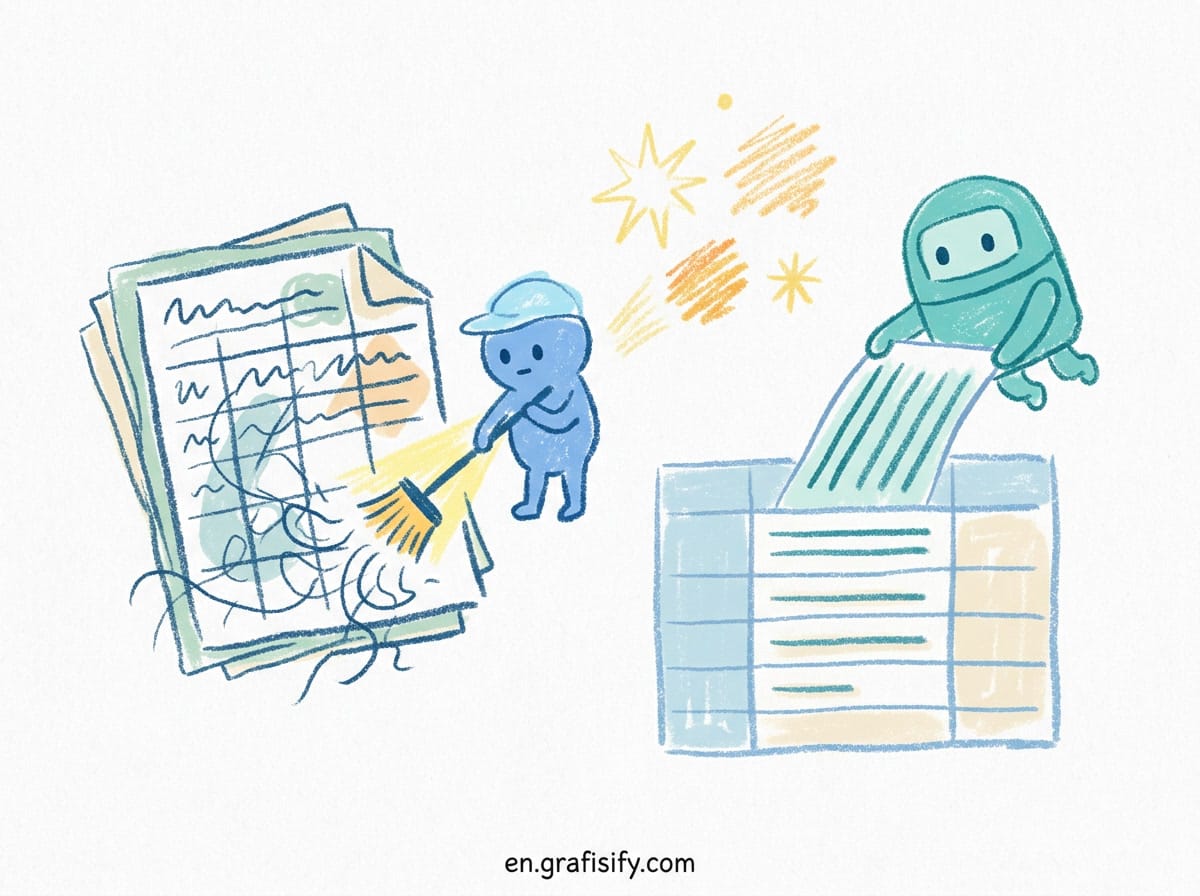
Where it stops: the free tier has usage caps and slower response during peak hours. If you write for a living and need unlimited, low-latency access, a paid plan earns its cost. For occasional use, the free tier removes the need for a separate grammar or drafting subscription.

2. Photopea Replaces Adobe Photoshop for Casual Editing
Photopea is a free, browser-based editor that opens PSD, Sketch, and XCF files. It supports layers, masks, and most tools Photoshop users rely on for everyday edits. Because it runs in the browser, there is nothing to install and no license to buy.
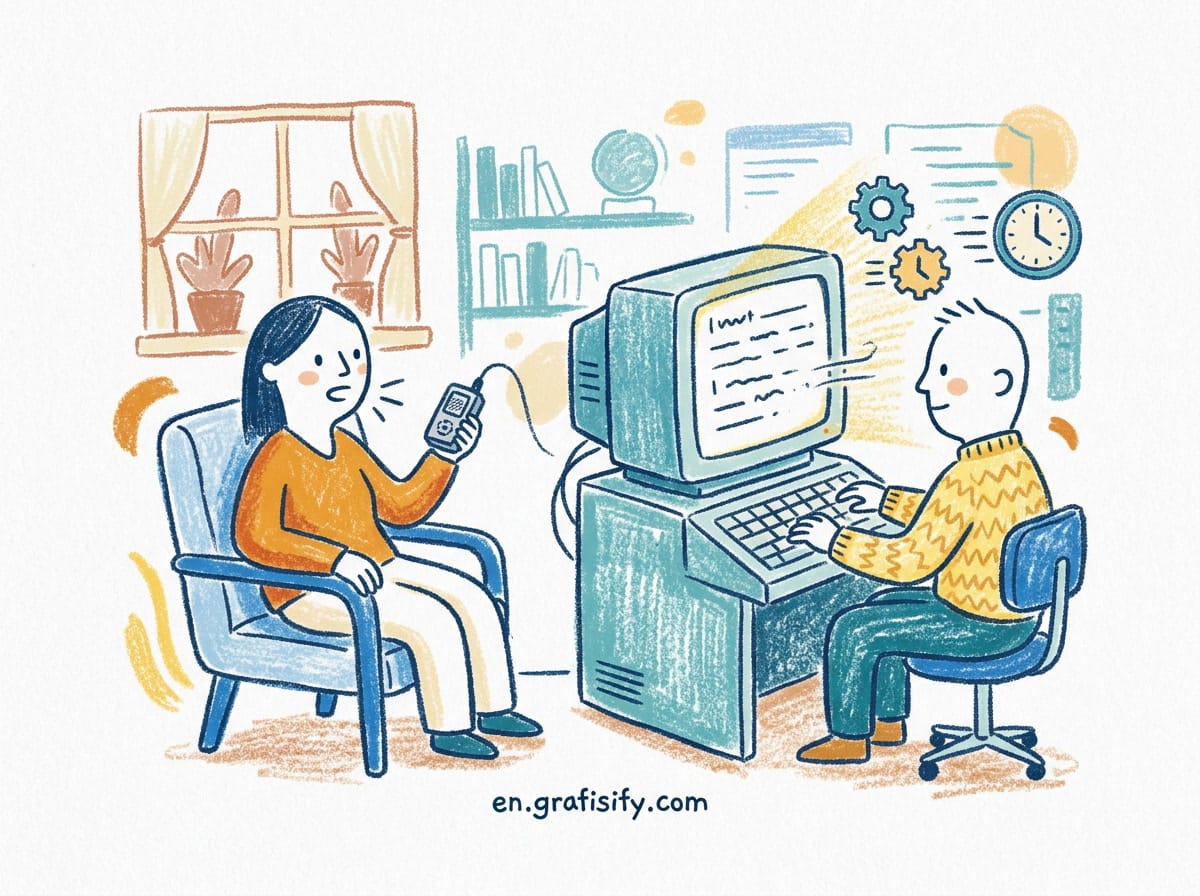
The catch is performance. Heavy multi-layer files can lag, and the interface assumes you already know photo-editing basics. For resizing, background removal, and quick retouching, Photopea removes the need for a Photoshop subscription. For pro color grading and large print pipelines, the desktop app still wins.
3. Suno Replaces Paid Music Licensing for Short Content
Suno generates original songs from a text prompt. Creators use it to make background tracks for videos, podcasts, and social clips without paying a stock-music library. The free tier lets you generate and download a limited number of tracks per day.
The limit is commercial clarity. Read the license terms for any free tier before you monetize the output, because usage rights differ by plan. For internal presentations and personal projects, Suno replaces a paid audio subscription cleanly.
4. Grammarly Free Replaces Premium Proofreading Add-ons
Grammarly’s free version catches spelling, grammar, and basic clarity issues across your browser and docs. For most writers, that covers the bulk of corrections. The premium tier adds tone suggestions and advanced rewriting, but the free version already prevents the embarrassing mistakes that hurt credibility.
If your writing is public facing and you want deeper style guidance, the paid tier has value. For day-to-day messages and posts, the free plan removes the need for a second proofreading subscription.
5. Perplexity Free Replaces Paid Research Aggregators
Perplexity answers questions with cited sources, which makes it useful for fast, verifiable research. The free tier handles most lookup tasks that people once paid a research tool or assistant to do. You get a summary plus links, so you can check the claim yourself.
The boundary is depth. Complex multi-source analysis and unlimited file uploads sit behind paid plans. For quick fact checks and topic overviews, the free tier replaces a paid research subscription for casual users.
6. CapCut Free Replaces Paid Video Editors for Social Clips
CapCut offers free trimming, captions, and effects tuned for short-form video. Auto-captioning alone saves hours compared to manual subtitle work. For TikTok, Reels, and YouTube Shorts, the free version covers the workflow most creators actually use.
Where it ends: advanced exports, team libraries, and some effects require a paid plan. If you cut long-form films or need brand asset control, a desktop editor is still the right call. For social clips, CapCut free removes the editing subscription.
7. Notion AI Free Tier Replaces Standalone Note and Task Apps
Notion’s free plan already includes notes, docs, and databases. The AI add-on is optional, and many users find the base product replaces a paid notes app and a separate task manager at once. You keep meeting notes, project boards, and wikis in one workspace.
The limit is offline access and advanced permissions, which sit on paid tiers. For solo workers and small projects, the free plan replaces two or three niche subscriptions with one place to think.
Comparison Table
| Task | Free AI App | Paid Tool It Replaces | Hard Limit |
|---|---|---|---|
| Writing and drafting | ChatGPT Free | Paid writing assistant | Usage caps, peak slowdowns |
| Photo editing | Photopea | Adobe Photoshop | Lag on heavy files |
| Music for clips | Suno | Stock music library | License limits on free tier |
| Proofreading | Grammarly Free | Premium proofreader | No advanced tone rewrite |
| Research | Perplexity Free | Paid research tool | Shallow multi-source depth |
| Short video | CapCut Free | Paid video editor | Some effects behind paywall |
| Notes and tasks | Notion Free | Notes plus task apps | Offline and permissions |
How to Cut a Subscription This Week
Start by listing every recurring charge on your card for the last three months. Circle the tools you opened fewer than five times. For each one, match it to a free AI app above. Test the free app on a real task before you cancel, so you confirm the quality holds for your work.
Keep paid tools only where the free version fails your actual standard, not where it fails a theoretical one. A freelancer who edits ten photos a year does not need Photoshop. A studio shipping fifty retouched images a day probably does.
Set a calendar reminder to re-audit every quarter. Subscriptions return through new trials, and a ten-minute review keeps the pile small.
Where Free AI Apps Fall Short
Free tiers are not magic. Three limits show up across every app on this list. First, caps: most free plans throttle how many jobs you can run per day, which is fine until a deadline lands. Second, privacy: free tools may train on your inputs, so avoid pasting client secrets or unpublished work into them. Third, lock-in risk: a free app can change its terms or shut down, so keep your source files local and export often.
The right move is to treat free AI apps as your default and paid tools as exceptions you justify with evidence. That reverses the normal habit of paying first and questioning later.
Frequently Asked Questions
Will free AI apps stay free? Most offer a free tier as a gateway to paid plans, so the core features usually remain. Watch for sudden limits, and keep a backup workflow ready if a tool changes.
Is the output safe for commercial use? It depends on the license. Music and image generators in particular restrict commercial rights on free tiers. Read the terms before you ship paid client work.
Do I lose quality switching from paid to free? For casual and solo use, the drop is small. For high-volume or regulated work, paid tiers earn their cost through speed, support, and legal clarity.
Key Takeaways
- Free AI apps now cover writing, editing, music, research, video, and notes for most solo users.
- Each free app has a hard limit: caps, performance, or license terms. Know yours before you cancel paid tools.
- Audit three months of charges, match low-use tools to free apps, and test before canceling.
- Keep paid software only where the free version fails your real quality bar.
Final Thoughts
You do not need to reject paid software to save money. You need to stop paying for tools a free AI app already does well for your workload. Pick one subscription from your last statement, test its free replacement on a real task this week, and decide with evidence instead of habit. Small cuts repeated across the year add up to real cash back in your pocket.

Irfan is a Creative Tech Strategist and the founder of Grafisify. He spends his days testing the latest AI design tools and breaking down complex tech into actionable guides for creators. When he’s not writing, he’s experimenting with generative art or optimizing digital workflows.


 Artificial Intelligent
 Design & Creative
 Freelance
 Gadgets & Gear
 Insights
 Laptop
 Reviews
 Smartphone
 Tech Guides
 Vibe Coding