10 AI Tools That Automate Meeting Notes and Action Items
TL;DR
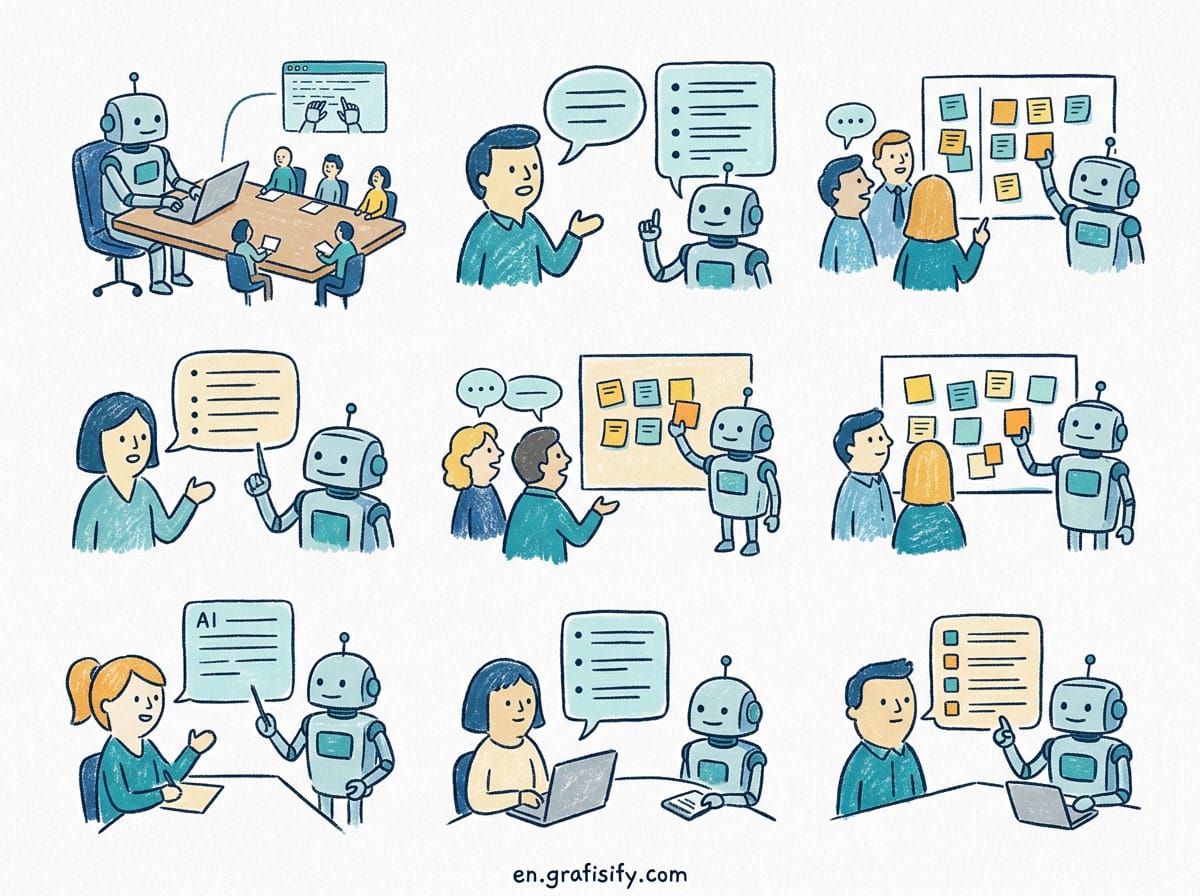
Most AI meeting notes tools now sit within a few accuracy points of each other because they run similar speech models under the hood. The real differences are workflow fit, integrations, and data handling. Otter.ai is the safest general pick. Fireflies.ai wins for sales teams tied to a CRM. Read.ai is the only serious option for meeting analytics at scale. Granola suits people who want notes without a bot in the call. This guide breaks down ten tools, what each one does well, and how to pick based on your actual meeting pattern instead of marketing claims.
What These Tools Actually Do
Every tool in this category does the same three things: capture audio, convert speech to text, then produce a summary with action items. The capture step differs the most. Some send a visible bot participant into your meeting, which can feel awkward in confidential conversations. Others record locally from your laptop and process the audio afterwards, which keeps the call free of third-party participants but asks more from you in setup.
Transcription quality has largely converged. Independent testing across 127 real meetings put Otter.ai at 96.8% average accuracy, Fireflies.ai at 96.2%, Fathom at 95.4%, Granola at 94.9%, Read.ai at 94.1%, and tl;dv at 93.6%. That spread is narrower than vendor pages suggest, because most products now build on the same underlying speech model. The visible differences come from preprocessing, speaker separation, and how the summary is structured afterwards.
That is why I tell people to stop shopping on accuracy percentages. The deciding factor is what happens after the transcript lands. Does the tool push action items into the system you already use? Does it keep your audio on servers you do not control? Does it force a bot into the room? Those questions separate the tools far more cleanly than a two-point accuracy gap.
Also Read:

Comparison Table
| Tool | Best for | Free tier | Paid entry | Meeting bot |
|---|---|---|---|---|
| Otter.ai | General business, mobile capture | Yes, 300 min/month | $8.33/user/month annual | Yes |
| Fireflies.ai | Sales, CRM sync | Yes, limited | $10/seat/month annual | Yes |
| Read.ai | Team analytics, coaching | Yes, 5 meetings/month | $15/user/month annual | Native Teams app, bot elsewhere |
| tl;dv | Customer interviews, highlight reels | Yes, limited | Mid tier | Yes |
| Fathom | Free, no-frills notes | Yes, generous | Low | Yes |
| Granola | No-bot capture, solo workers | Trial | $14/month | No, local recording |
| Notta | Multilingual teams | Yes, limited | $8.25/month | Varies |
| Sembly | Basic team notes | Yes, limited | Mid tier | Yes |
| MeetGeek | Budget team plans | Yes, limited | Low | Yes |
| Zoom AI Companion / Teams Premium | Already paying for the platform | Included in paid plan | Included | Native, no third party |
Pricing reflects published rates at time of writing and shifts often. Annual billing numbers are lower than monthly, sometimes by half, so always check the billing toggle before comparing.
Otter.ai: The General Purpose Default
Otter joins Zoom, Google Meet, and Microsoft Teams as a bot participant, transcribes live, and shares notes with the room. The free plan covers 300 minutes a month, which is enough to evaluate it against your real meeting load. Pro lands around $8.33 per user monthly on annual billing, with a higher monthly rate if you pay month to month.
Two things set it apart. The mobile app is the strongest in the category, which matters for in-person meetings, site visits, and calls taken from a car. Live captions are also best in class, useful for accessibility and for noisy rooms where you would otherwise lose track of the conversation.
Also Read:
The tradeoff is data control. Meeting audio lives on Otter servers, and there is no European processing option. For most teams that is acceptable. For legal, HR, or board-level conversations, it is worth asking before you deploy it broadly.
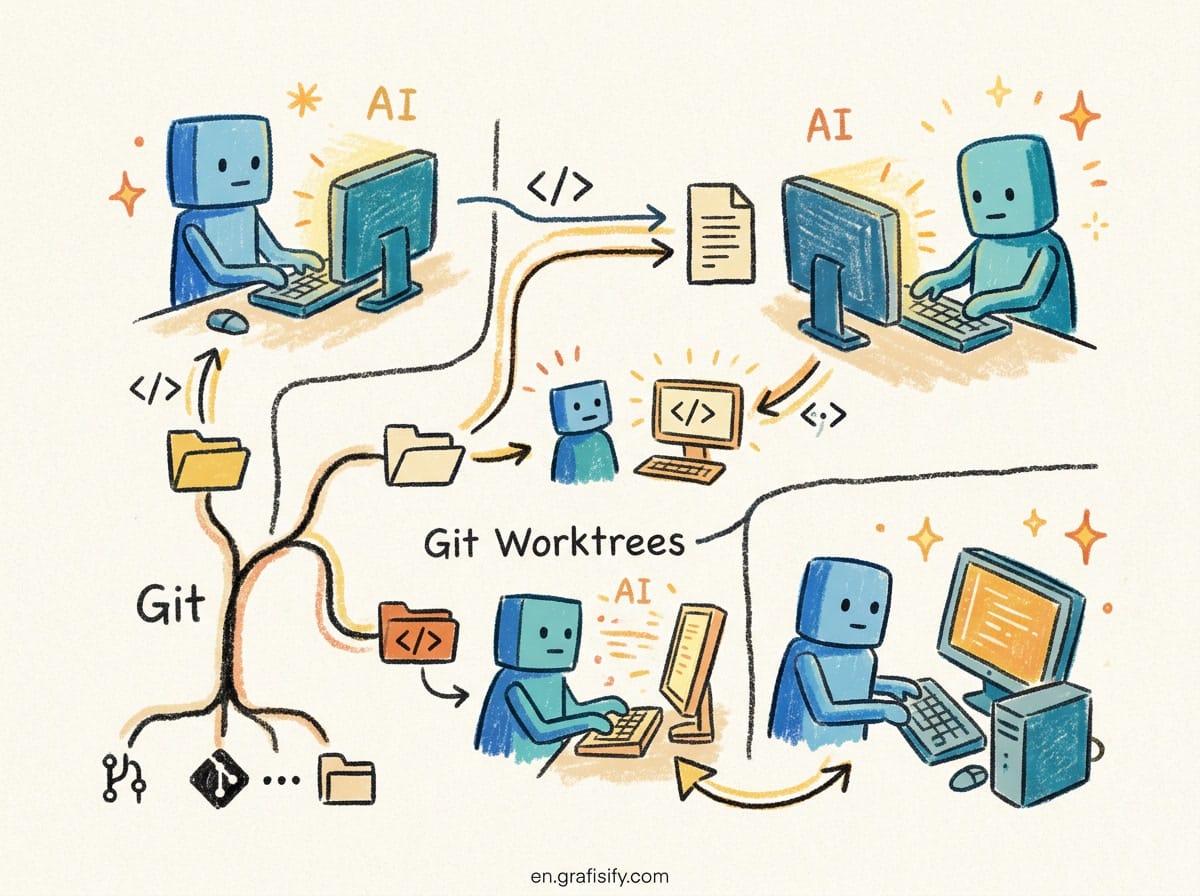
If you want to see how AI handles structured capture work generally, our guide on running parallel AI coding agents with git worktrees covers a different but related pattern of splitting automated work safely.
Fireflies.ai: Built for Sales Workflows
Fireflies is the pick when your meetings are customer-facing and your pipeline lives in HubSpot, Salesforce, or Pipedrive. Summaries and action items flow into the CRM record, so the post-call documentation step disappears. Its assistant can search across your entire meeting history, which means you can ask for every call where a prospect raised a pricing concern and get a real answer.

The free plan includes unlimited transcription with a small team storage allowance and a handful of AI credits. Pro is around $10 per seat monthly on annual billing and unlocks larger storage, action item tracking, and unlimited integrations. Security posture is strong, with SOC 2 Type II and a stated policy of not using customer data for model training.
Fireflies is not the right fit for solo workers who just want clean notes. The CRM features that justify the price sit idle if you do not have a CRM to connect. In that case, you are paying for machinery you never switch on.
Read.ai: The Analytics Specialist
Read.ai transcribes and summarizes, but its actual product is measurement. You get engagement scores, speaking time per participant, sentiment signals, and meeting health metrics. Nothing else in this category matches that layer. For managers running distributed teams of twenty or more people, that data answers questions a transcript cannot.
Pricing starts around $15 per user monthly on annual billing, with a higher monthly rate. The free plan allows five meeting transcripts per month. Enterprise tiers add longer meetings, file uploads, and compliance features.
Read.ai is overkill for individual use. If you do not need engagement scoring, you are paying roughly double the cost of Otter for features that never apply to you. It fits engineering managers, sales leaders, and operations leads who are paid to improve how meetings run, not just record them.
Analytics also has a ceiling. Measuring speaking time tells you who talked, not whether the decision was correct. Pair it with good judgment, or it becomes surveillance with a dashboard.
tl;dv and Fathom: Niche but Worth Knowing
tl;dv targets product and research teams who run many customer interviews. Its signature feature is timestamped highlights: tag a moment during the call, then compile those tagged moments across meetings into a reel. For someone running five discovery calls a week, that is a genuine workflow improvement. For general internal meetings, the feature does not apply, and the pricing sits above more capable general tools.
Fathom is the strongest free option. Accuracy lands within a couple of points of the paid leaders, and the free tier is usable rather than a demo. If your budget is zero and your needs are a clean summary plus action items, start here before buying anything.
Granola: Notes Without a Bot in the Room
Granola takes a different approach. It records locally from your machine and writes notes after the call, so no third-party bot ever appears in the participant list. For consultants, lawyers, founders, and anyone whose calls are confidential, that architecture is the whole reason to choose it.
The cost is around $14 a month, and the workflow asks slightly more of you than a bot-based tool. You get cleaner calls and tighter data control, at the price of a few extra steps. That is a reasonable trade for people whose meeting content cannot leave the room casually.
For solo workers who also juggle their own outreach, our piece on how freelancers build trust without meetings pairs well with a notes tool, since written updates often replace the call entirely.
The Built-in Options
Zoom AI Companion and Microsoft Teams Premium now include native AI summaries. Google Meet has its own equivalent. If your company already pays for one of these platforms, try the built-in tool before buying a separate subscription. The quality is competent, there is no new vendor to review, and no bot joins the call.
The limitation is portability. Native tools only work on their own platform, and cross-platform search is non-existent. If your week splits between Zoom, Teams, and Meet, a third-party tool that captures all three in one library still wins.
How to Choose Without Regretting It
I recommend running a two-week trial on your actual meetings, not a scripted test call. Scripted calls flatter every tool. Real meetings have crosstalk, accents, background noise, and people who join late. That is where the differences surface.
Check four things in the trial. First, does the summary capture decisions accurately, or does it smooth over disagreements into a vague paragraph? Second, are extracted action items actually assignable, with a clear owner, or do you rewrite half of them? Third, does it integrate with the system where work already lives, or does it create yet another destination to check? Fourth, would the presence of a bot be acceptable in your most sensitive recurring meeting?
The most common failure mode is buying for a feature you will use twice. Conversation intelligence dashboards look compelling in a demo and then go unread for months. Be honest about who in your organization will actually open that dashboard before you pay for it.
If you are evaluating AI tooling more broadly, our comparison of Claude Code vs Cursor vs Copilot applies the same discipline to coding agents, and our analysis of why long context breaks AI coding agents explains where automated tools quietly fail.
Privacy and Data Handling
Meeting audio is some of the most sensitive data your company generates. Read the retention policy before you deploy anything team-wide. The key questions: where the audio is stored, how long it is kept, whether it is used to train the vendor models, and whether there is an EU processing option if you need one.
Fireflies states it does not use customer content for training and offers zero-day retention on enterprise plans. Otter and Read.ai store data on their own infrastructure with US-only processing for most plans. Granola sidesteps the question by processing locally. If you operate under GDPR or handle regulated conversations, treat the privacy policy as a purchase criterion rather than a footnote.

Frequently Asked Questions
How accurate are AI meeting notes? On clean English audio, expect 93% to 97% from the leading tools. Accuracy drops with crosstalk, heavy accents, and domain jargon. Custom vocabulary features, available on several paid plans, help with technical terms.
Do these tools work without a bot joining the call? Granola records locally and never joins as a participant. Read.ai has a native Teams app with no bot on that platform. Zoom and Teams built-in options also avoid a third-party bot.
Can I trust the action items? Partly. Extraction quality has improved, but independent testing found a meaningful share still needs manual verification. Treat action items as a strong draft, not a finished record.
What is the cheapest option that works? Fathom on free, or the built-in summary tool on a platform you already pay for. Both handle the core job without a new line item.
Final Thoughts
The best AI meeting notes tool is the one that matches how your meetings actually run, not the one with the highest accuracy claim. Otter covers the widest ground. Fireflies pays for itself if you live in a CRM. Read.ai is unmatched for team analytics. Granola protects conversations that cannot leave the room. Pick one, trial it on real calls for two weeks, and check whether the summaries and action items survive contact with your actual workflow.
If the tool saves you thirty minutes of post-meeting writing a week and you trust its output, that is a win. If it produces summaries nobody reads and action items nobody assigns, the accuracy number does not matter.

Irfan is a Creative Tech Strategist and the founder of Grafisify. He spends his days testing the latest AI design tools and breaking down complex tech into actionable guides for creators. When he’s not writing, he’s experimenting with generative art or optimizing digital workflows.


 Artificial Intelligent
 Design & Creative
 Freelance
 Gadgets & Gear
 Insights
 Laptop
 Reviews
 Smartphone
 Tech Guides
 Vibe Coding