Best Portable Monitors to Extend Your Laptop Screen

Why a Second Screen Pays Off
A single laptop display forces a trade. You keep your reference open and your writing disappears. You watch the call and your notes fall behind. A portable monitor fixes that without the weight of a full desktop panel.
The numbers behind the gain are consistent. A Jon Peddie Research study from 2019 measured a 42 percent productivity lift for knowledge workers using two screens, with a payback period under a year. The University of Utah reported a 20 to 30 percent task speed gain versus a single 18-inch display. Those studies are years old, yet the underlying reason holds: less window swapping means less cognitive tax.
Portable panels matter most when you leave the desk. In a coworking space, on a train, at a client table, a 15.6-inch slab that weighs under 800 grams turns a cramped laptop into a two-screen workstation. The catch is that not every portable monitor fits every laptop, and a few specs decide whether you keep it or return it.


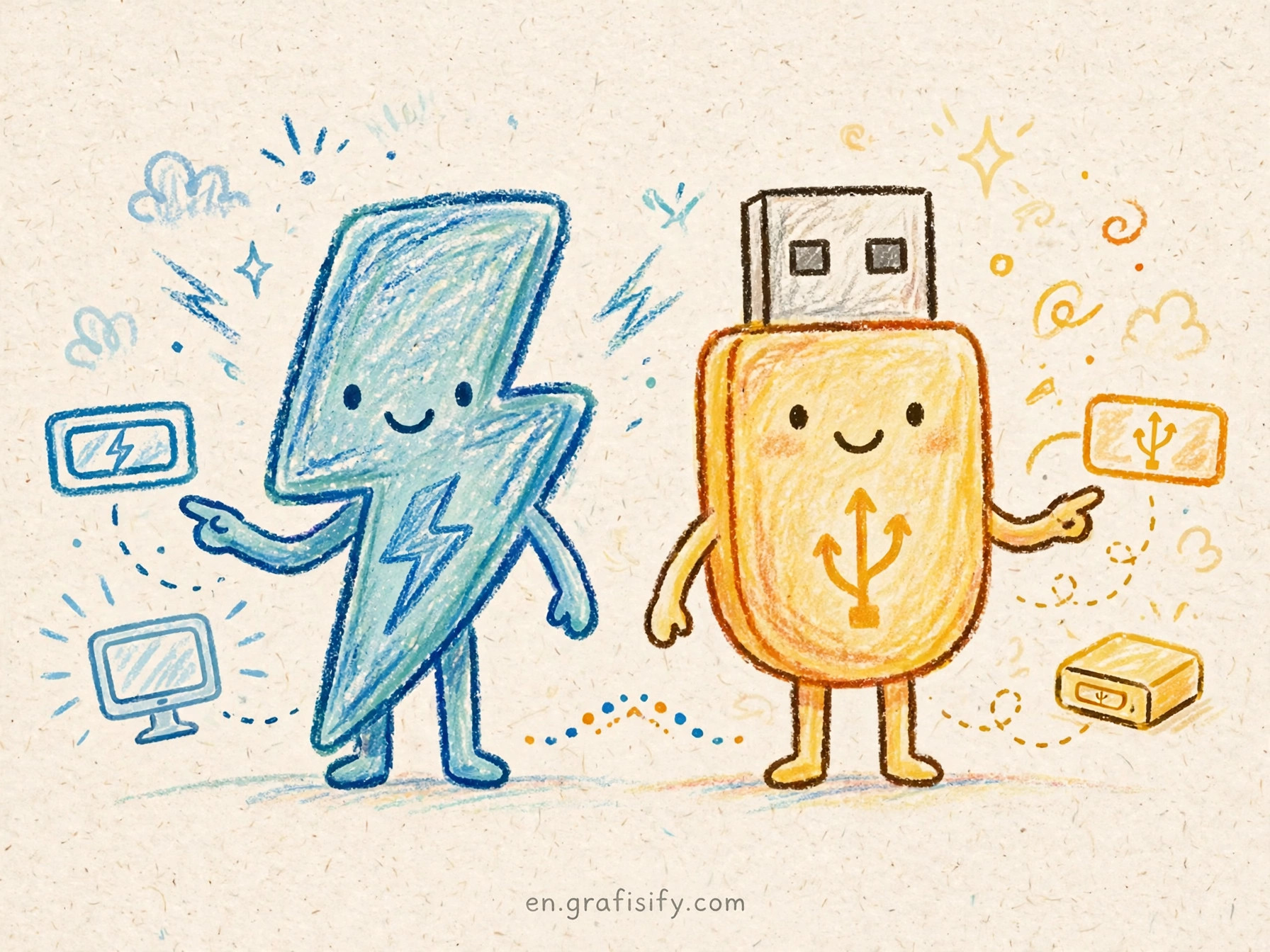
The One Cable That Matters: USB-C Display
Most modern laptops ship with a USB-C port that carries video, data, and power over a single cable. A portable monitor that supports USB-C DisplayPort Alternate Mode (DP Alt Mode) draws both signal and power from that one cable. Plug in, and the screen lights up. No wall adapter, no second lead.
That single-cable setup is the difference between a monitor you actually carry and one that lives in a drawer. Check your laptop port first. If it is a Thunderbolt 3 or 4 port, or a USB-C port labeled with a DisplayPort or charging symbol, you are set. Older USB-C ports that carry data only will not drive a display.
Power pass-through is the feature that makes the single cable real. A monitor with pass-through can pull power from the wall and send the surplus to your laptop, so the monitor does not drain the battery it is supposed to help. The Lenovo ThinkVision M14 passes power through its two USB-C ports, which is why it stays a default pick years after launch.
Resolution, Panel, and Weight
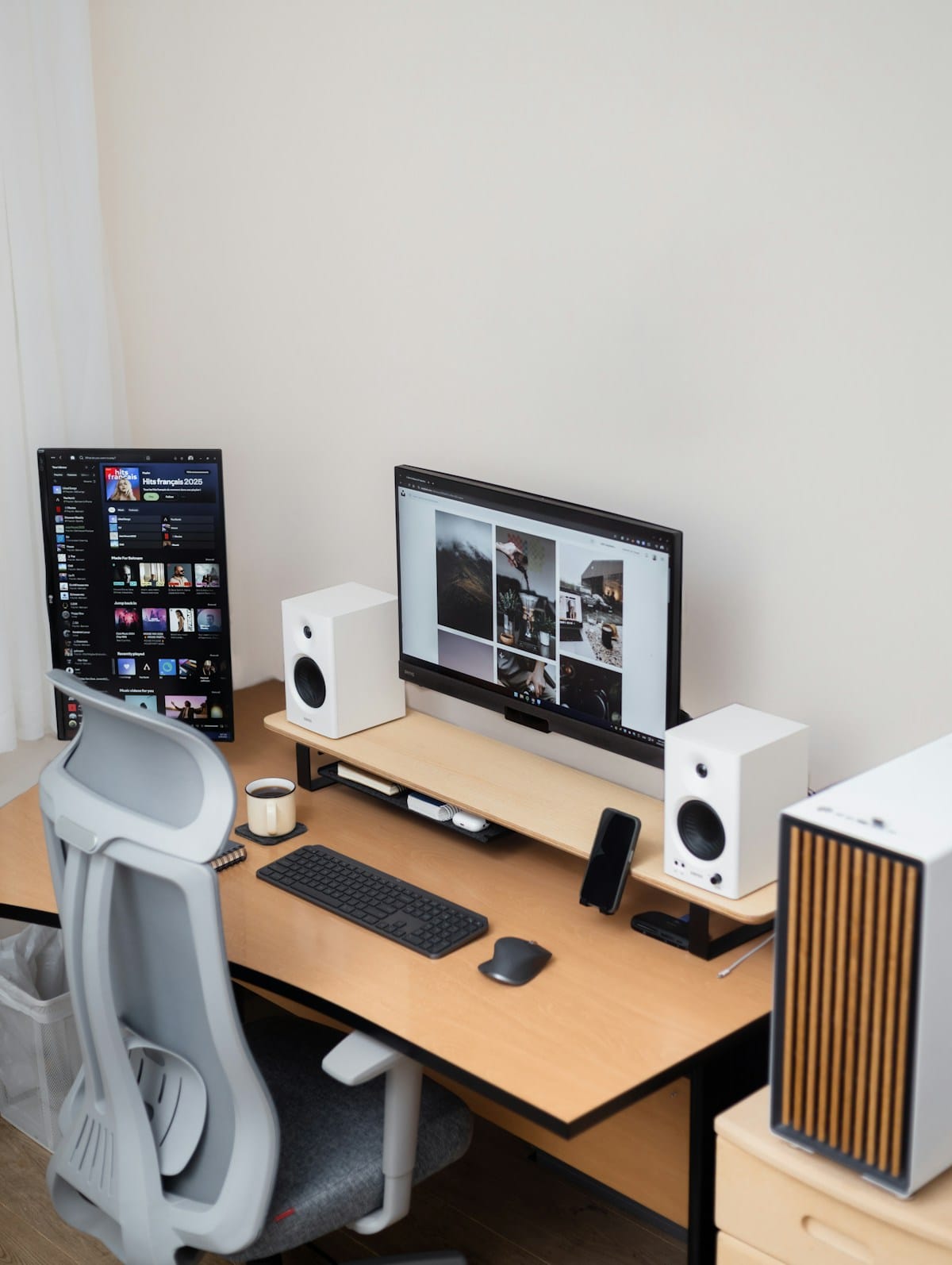
Do not buy a 4K portable panel unless you have a reason. At 15.6 inches, 1920×1080 (Full HD) gives sharp text and lower power draw. A 4K panel at the same size packs four times the pixels your GPU must push, which drains the laptop battery faster for a gain most eyes cannot see at normal viewing distance.
Panel type sets the experience. IPS is the safe default: wide viewing angles and honest color. OLED changes the equation for media and design work because it delivers true blacks and a contrast ratio that IPS cannot match. The INNOCN 15A1F brought a 15.6-inch OLED panel under $200, which was rare when it launched. If your work is color-critical, OLED or a factory-calibrated IPS earns the premium.
Weight decides whether the monitor travels. The sweet spot is 570 to 800 grams. The ThinkVision M14 sits at 570 grams. The Asus ZenScreen MB16 line lands near 780 grams. Anything past a kilogram starts to feel like a second laptop in your bag, which defeats the purpose.
Also Read:
Touch, Kickstand, and Ports
Touch is a nice-to-have, not a need. A touch portable monitor costs more and you will rarely reach for it when the laptop trackpad is right there. Skip touch unless you have a specific drawing or annotation use case.
The kickstand design is where cheap panels fail. A flimsy fold-out cover that doubles as a stand wobbles on a tray table and collapses under a light bump. Look for a monitor with a built-in adjustable stand or a rigid folio that holds a fixed angle without sag. This is the detail you only notice after a week of daily use.
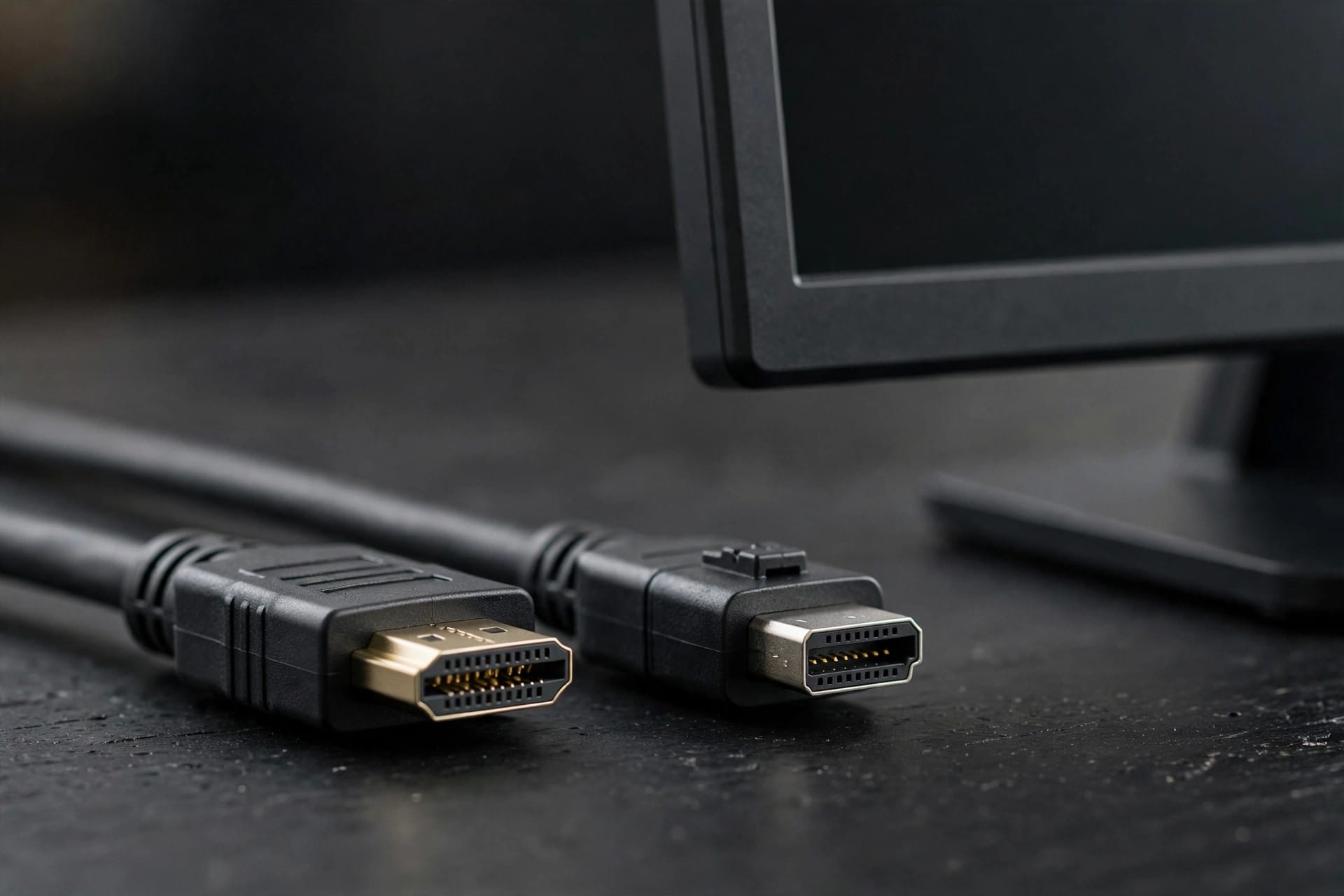
Ports add flexibility. USB-C alone is clean but limits you to modern devices. A mini-HDMI or full HDMI port lets you attach a game console, a camera, or an older laptop with no USB-C video. The ViewSonic VG1655 and the Arzopa A1 both add mini-HDMI alongside USB-C, which widens what you can plug in on the road.


Five Portable Monitors Worth a Look
| Model | Size | Panel | Ports | Weight | Best for |
|---|---|---|---|---|---|
| Lenovo ThinkVision M14 | 14 inch | IPS 1080p | 2x USB-C (pass-through) | 570 g | Lightest daily carry |
| Asus ZenScreen MB16AHP | 15.6 inch | IPS touch 1080p | USB-C, battery | 780 g | Touch and wireless freedom |
| ViewSonic VG1655 | 15.6 inch | IPS 1080p | USB-C, mini-HDMI | 830 g | Budget with HDMI option |
| INNOCN 15A1F | 15.6 inch | OLED 1080p | USB-C, mini-HDMI | 700 g | Media and color work |
| Arzopa A1 | 15.6 inch | IPS 1080p | USB-C, mini-HDMI | 709 g | Lowest price, still solid |
The Lenovo ThinkVision M14 stays the recommendation for most people because it is the lightest and its dual USB-C ports handle pass-through cleanly. The Asus ZenScreen MB16AHP is the pick when you want touch and a built-in battery so you are not tied to the laptop port. The INNOCN 15A1F is the value play for anyone who wants OLED contrast without a flagship price. The Arzopa A1 proves you do not need to spend much to get a working second screen. The ViewSonic VG1655 earns a spot when you want HDMI alongside USB-C at the lowest price of the group.
Matching the Monitor to the Work
Pick by where you work, not by the spec sheet. If you fly weekly and live out of a carry-on, the 570-gram ThinkVision M14 disappears into the bag and the pass-through keeps your laptop charged. If you present from the screen, the Asus touch panel lets you tap through a deck without hunting for the trackpad.
For video editing or photo review on the move, the INNOCN OLED renders blacks and gradients the IPS panels above cannot, which matters when you are judging exposure or shadow detail. For a fixed desk at home where you also want an HDMI source, the ViewSonic or Arzopa mini-HDMI port lets you pipe in a console or a secondary machine.
Pair the panel with the rest of a clean desk setup. A proper mechanical keyboard switch choice and a monitor light bar turn the portable panel from a travel toy into a real workstation. If the laptop runs hot under the extra load, our laptop cooling guide covers the fixes. And when you are choosing the laptop itself, the Intel Core Ultra vs Ryzen AI CPU comparison helps you match horsepower to the screens you drive.
What to Skip
Avoid the 4K trap on a 15-inch panel unless you edit 4K timelines daily. You pay in battery and price for sharpness your eyes will not use. Avoid no-name panels with unverified color claims and a stand that folds like cardboard. Avoid monitors that need a separate power brick for basic use, because the brick is the item you forget on the first trip.
Also check the brightness. A 250-nit panel is fine indoors but washes out near a window. If you work in bright rooms or outdoors, look for 300 nits or higher. Most portable monitors land at 250 to 300 nits, so this is a real differentiator rather than a spec sheet footnote.
Setting It Up Without the Friction
The hardware is half the decision. The first time you open the panel, set the second screen to extend, not mirror. On Windows, press the Windows key with P and pick Extend. On macOS, open Displays in System Settings and arrange the two screens so the portable panel sits where it physically rests on your desk. Get this wrong and you will drag a window off the edge of a display that is not there.
Decide what lives where. I keep chat and email on the second screen so the laptop stays clear for the task in front of me, but you may prefer reference docs on the panel and your draft on the laptop. Match the brightness and color temperature between the two panels so text does not shift hue as your eyes move across. Five minutes on this setup and the second screen feels native within a day.
Carry one USB-C cable that supports video and 100 watts of power, and you avoid the adapter tangle that breaks most travel setups. If your monitor charges the laptop through pass-through, that single cable is all you pack. I treat the cable as part of the monitor and never loan it out, because the wrong cable renders the whole arrangement useless.
Final Thoughts
A portable monitor is one of the few accessories that changes how you work the day you plug it in. If I had to carry one panel on every trip, the Lenovo ThinkVision M14 wins on weight and clean USB-C pass-through. I’d step up to the Asus ZenScreen MB16AHP only when touch matters more than price, and I’d reach for the INNOCN 15A1F on any trip built around media or color work. Match the panel to where you actually sit, confirm your laptop USB-C carries video, and the second screen earns its place in the bag.

Irfan is a Creative Tech Strategist and the founder of Grafisify. He spends his days testing the latest AI design tools and breaking down complex tech into actionable guides for creators. When he’s not writing, he’s experimenting with generative art or optimizing digital workflows.


 Artificial Intelligent
 Design & Creative
 Freelance
 Gadgets & Gear
 Insights
 Laptop
 Reviews
 Smartphone
 Tech Guides
 Vibe Coding