Adobe Buys Semrush for $1.9B: Why the SEO Game Just Changed Forever

The digital marketing landscape just experienced a seismic shift. In a move that signals the definitive end of the “traditional search” era and the dawn of the “Agentic AI” age, Adobe has officially announced its acquisition of Semrush Holdings, Inc..
For years, the marketing world has viewed Adobe as the creative and analytics titan, while Semrush served as the gritty, indispensable toolbox for SEO professionals fighting for Google rankings. By combining forces in an all-cash transaction valued at approximately $1.9 billion, these two giants are not just merging balance sheets—they are attempting to rewrite the operating manual for how brands survive in a world dominated by Large Language Models (LLMs).
If you thought SEO was just about keywords and backlinks, think again. Adobe is betting nearly two billion dollars that the future is “Generative Engine Optimization” (GEO), and they intend to own the infrastructure that powers it.
The Deal by the Numbers
Let’s cut to the chase. The definitive agreement, announced on November 19, 2025, stipulates that Adobe will acquire Semrush for $12.00 per share in an all-cash transaction. This valuation reflects a total equity value of approximately $1.9 billion, a significant premium that underscores how critical brand visibility data has become for enterprise software ecosystems.
“Brand visibility is being reshaped by generative AI, and brands that don’t embrace this new opportunity risk losing relevance and revenue.” — Anil Chakravarthy, President of Adobe’s Digital Experience Business.
The transaction has already received the green light from the Boards of Directors at both companies and has secured voting commitments from Semrush founders representing over 75% of the voting power. While the deal is subject to customary regulatory approvals, the companies expect to close the transaction in the first half of 2026.
The Rise of “Agentic AI” and the Death of Traditional Search
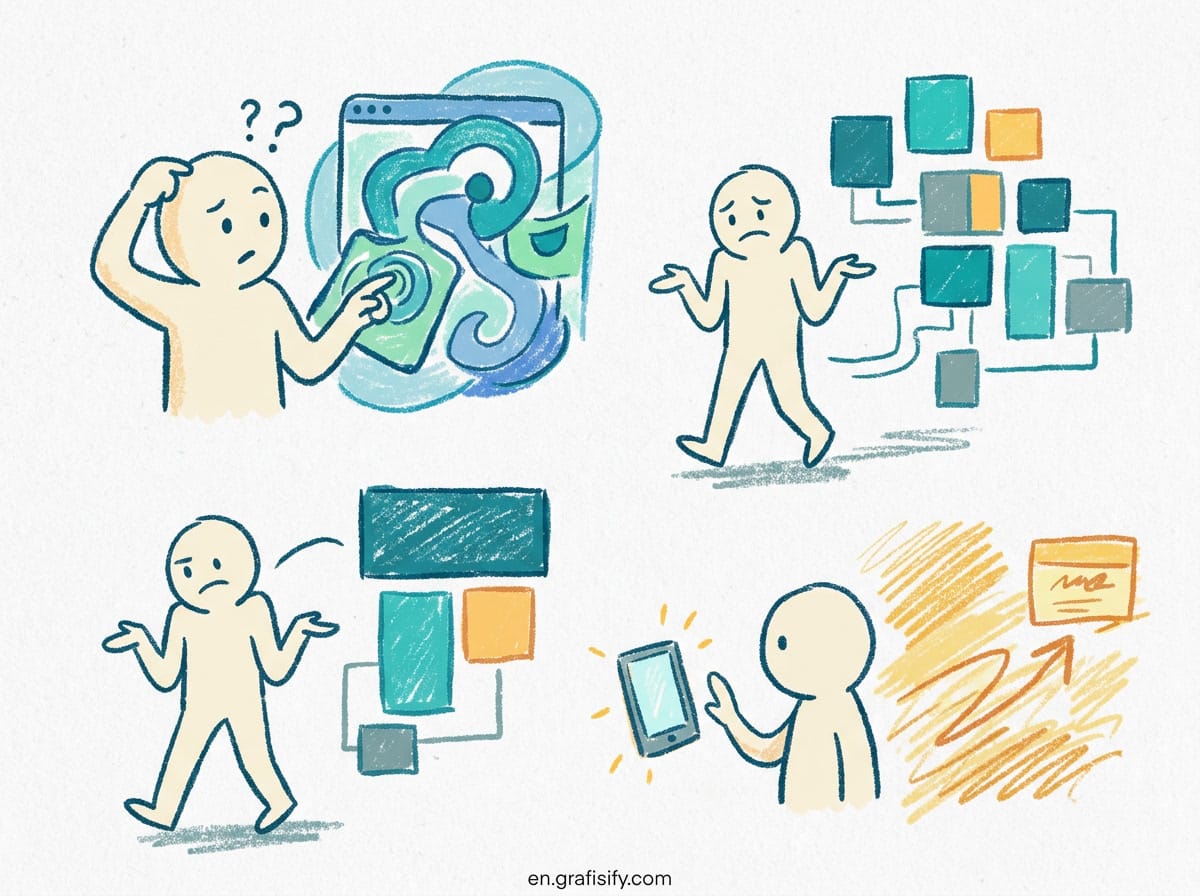
Why is Adobe—a company enabling 99% of the Fortune 100 —buying an SEO platform? The answer lies in a specific phrase found throughout their announcement: Agentic AI.
We are moving past the phase where AI simply generates text or images. We are entering an era of “customer experience orchestration in the agentic AI era”. In this new reality, AI agents act on behalf of consumers to find products, vet services, and make purchase decisions. If your brand isn’t visible to these agents, you effectively do not exist.
Adobe explicitly states that the goal is to solve major pain points for brands embracing this shift. By integrating Semrush, Adobe plans to offer a “holistic understanding of how their brands appear across owned channels, large language models (LLMs), traditional search and the wider web”.
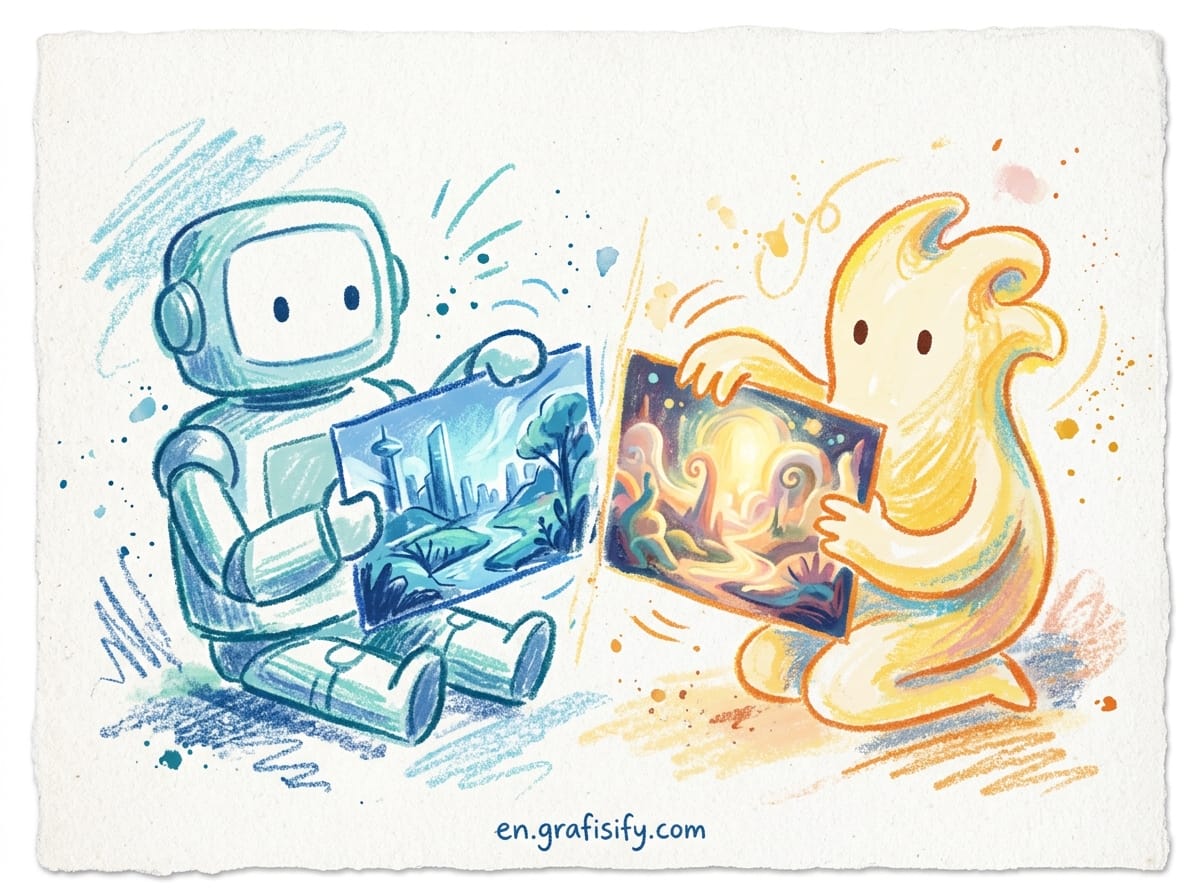
This is a defensive and offensive play simultaneously. Chief Marketing Officers are increasingly anxious as consumers turn to LLMs like ChatGPT and Google’s Gemini for recommendations rather than traditional search engines. The acquisition is designed to give these executives control over that chaotic new interface.
Generative Engine Optimization (GEO): The New Battleground
Perhaps the most fascinating aspect of this acquisition is the mainstream validation of a new discipline: Generative Engine Optimization (GEO).
Semrush has positioned itself not just as an SEO tool, but as a “powerful partner” for data-driven GEO. As generative AI platforms become the primary interface between customers and brands, the metrics for success are changing. It is no longer enough to rank #1 on a Google results page; brands must ensure they are “represented, discovered and trusted” within the answers generated by AI chatbots.
This creates a massive opportunity for Adobe to upsell its existing customer base. With Semrush’s technology, Adobe can now promise to help marketers “unlock GEO… as a new growth channel alongside their SEO”.
The “Content Supply Chain” Just Got Smarter
The integration strategy appears to focus on plugging Semrush’s data directly into Adobe’s massive “content supply chain”. Currently, Adobe offers tools like Adobe Experience Manager (AEM) and Adobe Analytics to manage and measure content. However, these tools have historically focused on owned channels—the brand’s own website or app.
Semrush fills the gap by bringing over ten years of expertise in “earned” channels—search engines and now, AI models. This combination means a marketer could theoretically create content in Adobe, instantly analyze its potential performance across both Google and ChatGPT using Semrush data, and optimize it before it ever goes live.
Bill Wagner, CEO of Semrush, highlighted this synergy, noting that “brands need to understand where and how their customers are engaging in these new channels”. The merger provides the insights required to increase discoverability across this “evolving digital landscape”.
Why This Matters: The 1,200% Surge
For anyone skeptical about the urgency of this acquisition, the data tells a compelling story. New data from Adobe Analytics revealed a staggering statistic: traffic from generative AI sources to U.S. retail sites increased by 1,200% year-over-year in October.
This is not a gradual drift; it is a landslide. Consumer behavior is shifting rapidly. Marketers are currently scrambling, turning to their SEO teams to figure out how to drive “generative AI marketing strategies”. Semrush’s ability to address this “growing, essential need” makes it a prime asset for Adobe.
Financially, Semrush is also bringing a healthy book of business to the table. In its most recent quarter, the company drove 33% year-over-year Annual Recurring Revenue (ARR) growth in its enterprise customer segment. They have already earned the trust of industry heavyweights like Amazon, JPMorgan Chase, and TikTok, aligning perfectly with Adobe’s enterprise-heavy client list.
Key Takeaways for Marketers and Developers
The consolidation of marketing technology is accelerating. Here is what this deal signals for the industry:
- The End of Siloed SEO: SEO is no longer a standalone discipline. It is merging with content creation and customer experience orchestration. The Adobe-Semrush deal codifies this.
- The “Brand Concierge” Era: Adobe recently introduced “Adobe Brand Concierge”. Expect Semrush data to be the fuel that powers this concierge, helping brands predict how AI perceives them.
- Visibility is Holistic: The distinction between “search” and “AI recommendation” is vanishing. The new goal is a “comprehensive solution” that covers LLMs, traditional search, and the wider web simultaneously.
“This combination provides marketers more insights and capabilities to increase their discoverability across today’s evolving digital landscape.” — Bill Wagner, CEO of Semrush.
Looking Ahead: The Road to 2026
While the excitement is palpable, the deal is not done yet. Closing is expected in the first half of 2026. Between now and then, both companies must navigate regulatory approvals and potential integration planning risks, such as employee retention and technology effectiveness.
Furthermore, the volatility of the AI sector means that the landscape could look very different by the time the deal closes. However, Adobe’s forward-looking statements suggest they are confident in their ability to realize “cost savings, synergies and other potential benefits”.
For the average digital marketer, the message is clear: The tools you use to track your ranking are about to become inseparable from the tools you use to create your content. The acquisition of Semrush by Adobe isn’t just a business transaction; it’s a declaration that in the age of Agentic AI, visibility is everything.
Tagged with:
AdobeArtificial IntelligenceDigital Marketinggenerative aiGEOMergers and AcquisitionsSaaSSemrushSEOTech News
Irfan is a Creative Tech Strategist and the founder of Grafisify. He spends his days testing the latest AI design tools and breaking down complex tech into actionable guides for creators. When he’s not writing, he’s experimenting with generative art or optimizing digital workflows.
You might also like




 Artificial Intelligent
 Design & Creative
 Freelance
 Gadgets & Gear
 Insights
 Laptop
 Reviews
 Smartphone
 Tech Guides
 Vibe Coding