How to Succeed as a Freelancer : A Complete Guide for Independent Professionals

How to Succeed as a Freelancer in 2026: A Complete Guide for Independent Professionals
Quick Verdict: If you are asking how to succeed as a freelancer in 2026, start here. The short answer is that AI tools are no longer optional. 76% of freelancers now use them regularly, and those who do earn 40% more per hour. The most successful freelancers in 2026 combine three things: AI-powered efficiency, smart platform selection, and proactive tax and pricing strategy. Pick one platform to start, learn two AI tools that match your work type, set your rates 20% higher than you think, and file quarterly taxes. That is the formula.
Let me start with a number that stopped me cold. 1.57 billion people freelance worldwide. That is nearly half the global workforce. In the United States alone, 72.9 million Americans work independently. They contributed $1.5 trillion to the economy in 2024, more than the GDP of most countries. The freelance platform market hit $9.91 billion in 2026 and is growing at 18.6% per year.
But here is the thing. That same data reveals a split. AI-enabled freelancers earn 40% more per hour than those who do not use AI, according to Upwork research. Meanwhile, freelancers who treat their work like a side hustle face rate compression from automated tools and global competition. The gap between the top tier and the rest is widening fast. This article is about landing in the top tier.
I have spent the past year watching this shift from inside the freelance economy. What I have seen is that the rules changed. The old advice about freelancing (build a portfolio, network on LinkedIn, send proposals) still matters, but it is no longer enough. There is a new playbook for 2026, and it revolves around five areas: AI adoption, platform strategy, pricing, client relationships, and tax management. Ignore any one of them, and your freelance income will tell the story.
How to Succeed as a Freelancer in 2026: What Does the Freelance Economy Look Like?
The freelance economy of 2026 looks very different from five years ago. The market is bigger, more competitive, and deeply shaped by AI. Understanding the landscape is the first step in figuring out where you fit and how to stand out.
The scale of freelancing in 2026
The numbers are staggering. The global freelance platform market is valued at $9.91 billion in 2026, according to the Business Research Company. Projections show it reaching $20.12 billion by 2030. In the US, 6.9 million independent professionals operate across professional services (3.5 million), technical services (1.8 million), and creative services (1.5 million), per Fiverr’s Economic Impact Report. The average freelancer income across top US markets is $52,000, which is $5,748 more than the overall US average.
Gen Z is driving much of this growth. 67% of Gen Z freelancers maintain multiple income streams, and six in ten grew their earnings year over year in 2024. They raised their rates by an average of 32% in a single year. This generation does not see freelancing as a fallback. They see it as the default work model.

The two-tier freelance economy
Here is the real story that most articles miss. The freelance economy has split into two tiers. The top tier consists of freelancers who actively use AI, specialize in high-value skills, charge premium rates, and treat their business like a proper company. The lower tier includes generalists competing on price, relying on the same skills and tools everyone else has. AI-enabled freelancers earn 40% more per hour, not because they work harder, but because they produce higher quality output in less time. The gap is self-reinforcing. More earnings mean more room to invest in better tools, better training, and better positioning.
A survey by Fiverr found that 76% of freelancers now use AI tools, and 64% report increased productivity directly from AI. Those who use AI save an average of 8.1 hours per week. That is a full workday reclaimed every week. The question is no longer whether to use AI. The question is which tools to use and how to price the work they help you produce.
Deep Dive: AI Tools, Platform Choices, and Pricing Strategies
Three areas determine your success trajectory as a freelancer in 2026. Getting all three right puts you in the top tier. Getting even one wrong creates a ceiling on your income.

AI tools that give you a 40% earning advantage
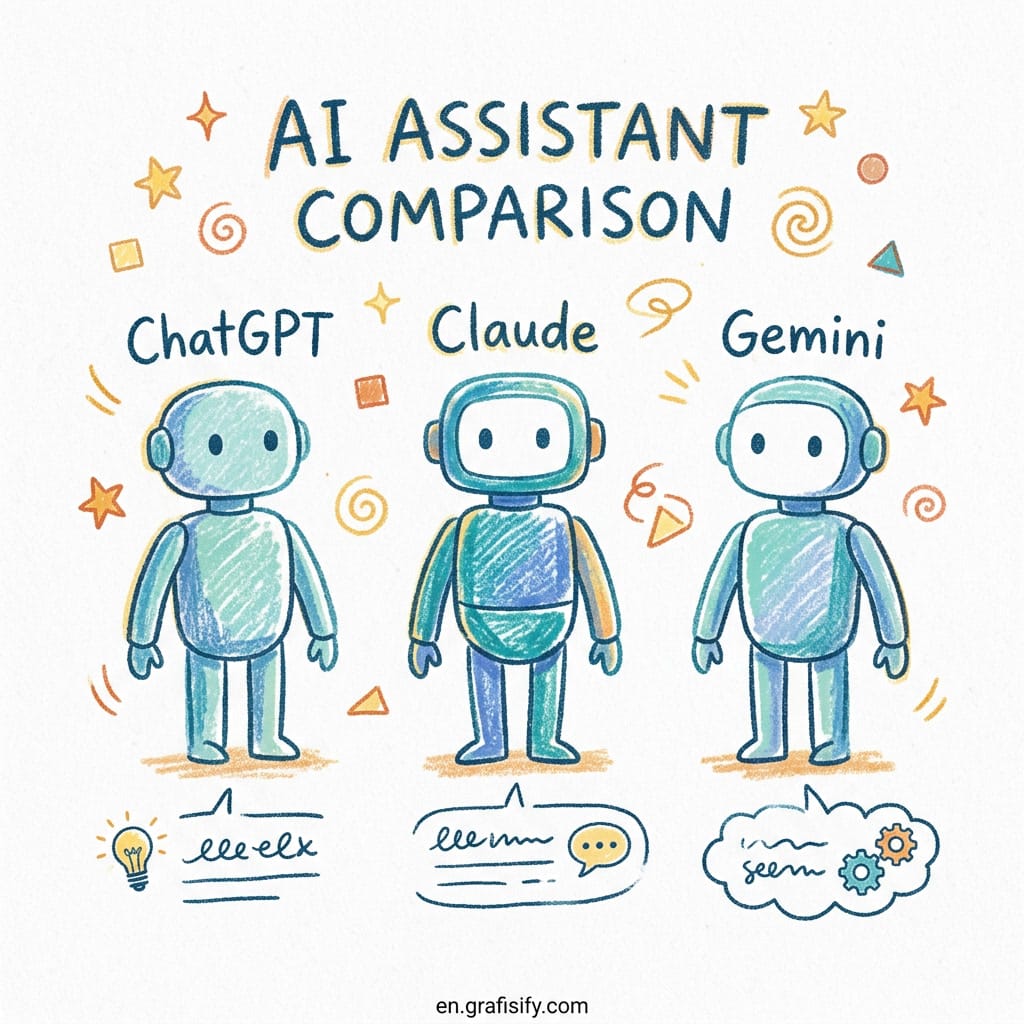
Different freelance disciplines need different AI tools. For writing and research, ChatGPT handles blog posts, email copy, social media captions, and client summaries. The free tier covers most tasks. At $20 per month, ChatGPT Plus adds longer context windows and priority access. For long-form content like white papers and case studies, Claude maintains coherence better across 3,000+ word documents. For designers, Canva AI generates social media graphics and presentations in minutes. For developers, GitHub Copilot and Cursor write and autocomplete code.
The key insight is that AI does not replace your expertise. It replaces the mechanical parts of your work. The judgment, the creative direction, and the client relationship are still yours. That is what clients pay premium rates for. The Plutio freelancer survey confirms that freelancers who use AI consistently save 8+ hours per week. The value of those hours, reinvested into higher-value work, is where the 40% earnings premium comes from.
Which freelance platform should you choose in 2026?
| Platform | Best For | Key Stat |
|---|---|---|
| Upwork | Long-term clients, professional services, high-value projects | Largest marketplace with $1.5T freelance economy contribution |
| Fiverr | Service-based gigs, creative work, quick projects | $319B total economic contribution, 4.3% annual workforce growth |
| Toptal | Expert-level tech and finance freelancers | Accepts only top 3% of applicants, premium rates |
| Contra | Portfolio-based independent work, no commission fees | Growing alternative with flat membership model |
Instead of spreading yourself across five platforms, pick one and go deep. Build your profile, collect reviews, and establish a reputation. The research shows that freelancers who specialize on a single platform earn significantly more than those who hop between multiple platforms. For most people, Upwork offers the widest range of opportunities. For creative professionals, Fiverr is worth starting with.
Pricing your services in the AI era
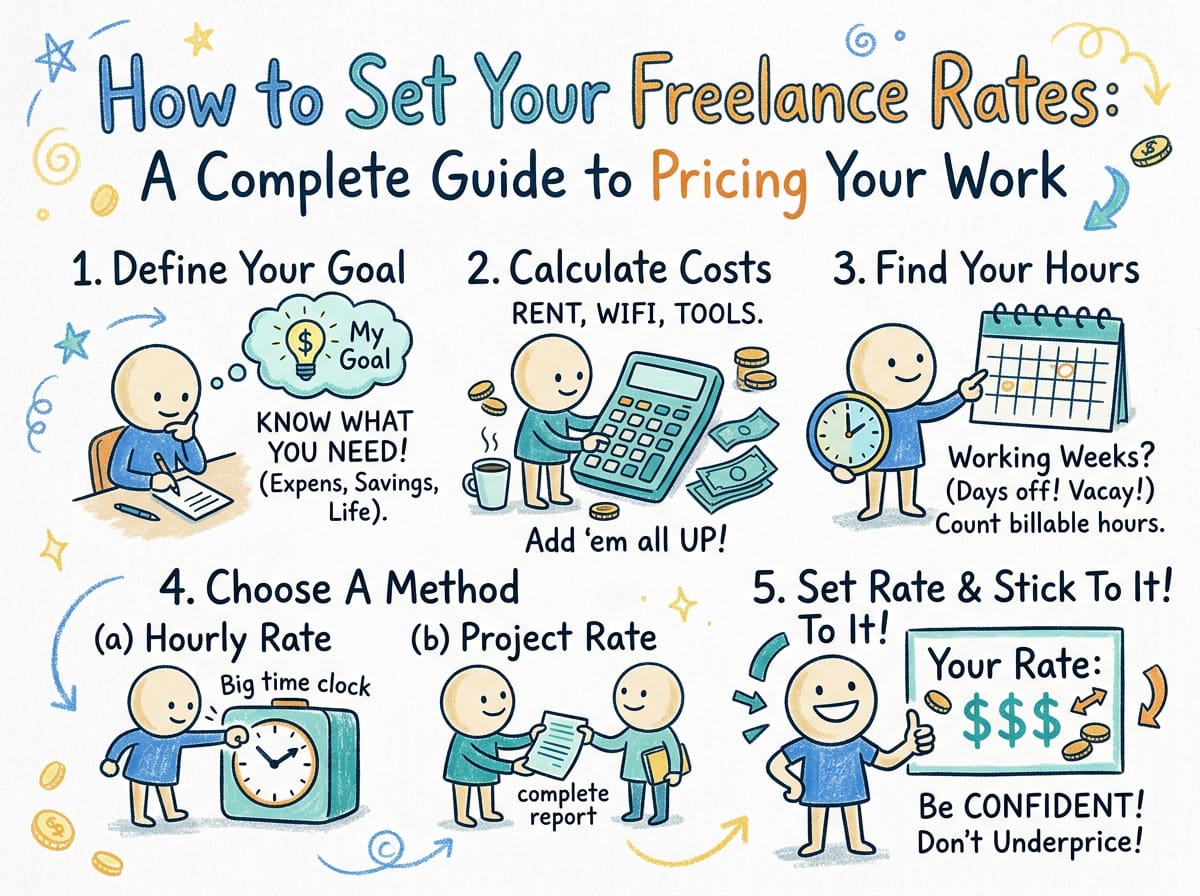
This is the hardest part, and most freelancers get it wrong. The common instinct is to lower rates when AI makes work faster. That is a trap. Here is what actually works. Price based on the value you deliver, not the hours you spend. If AI lets you complete a project in 4 hours instead of 8, charge the same project rate. The client gets faster delivery, and you keep the efficiency gain. That is the fair trade.
Fiverr data shows that Gen Z freelancers raised their rates by 32% year over year. They are not lowering prices. They are increasing them because they understand their value. Freelancers earning $52,000 on average in top US markets have room to go higher. If you are charging less than $50 per hour for skilled professional work, you are underpricing yourself. Consider raising by 20% on your next three client proposals and see what happens.

Pros and Cons of Freelancing in 2026
| Pros | Cons |
|---|---|
| AI tools boost productivity by 64%, saving 8+ hours per week (Fiverr 2025 Survey) | 85% of freelancers face late invoice payments (Remote 2025) |
| Average income $52K in top US markets, 10% above national average | Self-employment tax of 15.3% plus income tax, budget 25-30% of gross |
| 84% of independent workers report higher happiness than traditional employment (MBO Partners) | No employer benefits: health insurance, retirement matching, paid time off |
| 71% of freelancers now work independently full time, not as a side hustle | Income inconsistency and feast-or-famine cycles are still real |
| Platform market growing 18.6% CAGR, creating more opportunities yearly | The two-tier economy means AI non-adopters face rate compression |
How to Succeed as a Freelancer in 2026: A Practical Action Plan
For more context, check out our guide on the best AI design tools for non-designers in 2026.
Here is a step-by-step plan that takes the research and turns it into action. Do these in order, and you will be ahead of most freelancers within 90 days.
Step 1: Choose your primary platform. Pick Upwork for professional services or Fiverr for creative work. Build a complete profile with three portfolio pieces. Set your initial rate 20% higher than the platform average for your category. Send 10 proposals in your first week.
Step 2: Adopt two AI tools. Pick one tool for your primary work type (ChatGPT for writing, Canva AI for design, GitHub Copilot for coding). Pick one tool for business operations (Otter.ai for call transcription, Fireflies.ai for meeting notes). Learn both within your first week. The 8 hours per week you save will pay for both subscriptions many times over.
Step 3: Set your pricing structure. Move from hourly billing to project-based or value-based pricing as quickly as possible. Start with project rates. Example: instead of billing $50/hour for a social media package, charge $400 for four posts. The client sees a flat price. You keep the efficiency gains when AI speeds up your workflow.
Step 4: Set up your tax system. Open a separate business bank account. Register with the IRS for an EIN if you are in the US. Set aside 25-30% of every payment into a separate savings account. File quarterly estimated taxes using Form 1040-ES by April 15, June 17, September 16, 2026, and January 15, 2027. Track every deductible expense: home office, software subscriptions, internet, health insurance premiums. The 1099 Freelance guide confirms that working with a CPA becomes worthwhile once you earn over $50,000 per year.
Step 5: Build recurring revenue. The most stable freelancers do not chase one-off projects. They build retainer relationships. After delivering a project, pitch a monthly retainer for ongoing work. Even a $500 per month retainer from three clients gives you $18,000 of predictable annual income. That changes everything about how you plan and operate.
Step 6: Specialize. Generalists compete on price. Specialists command premium rates. Pick a niche: real estate copywriting, e-commerce web development, SaaS product design, medical content writing. The narrower your focus, the higher your rates can go. For more on building a specialized freelance business, check out our guide on high-demand freelance skills for 2026. The Upwork data confirms that demand for specialized freelance skills more than doubled year over year.

Frequently Asked Questions About Freelancing in 2026
How many freelancers are there in the US in 2026?
72.9 million Americans work independently, representing approximately 45% of the US workforce. Globally, 1.57 billion people freelance, or about 47% of the global workforce, according to MBO Partners and ILO data.
How much do freelancers earn in 2026?
The average freelancer in top US markets earns $52,000 per year, which is $5,748 above the overall US average. Freelancers using AI tools earn 40% more per hour than those who do not. Gen Z freelancers raised their rates by an average of 32% in 2024.
Which freelance platforms pay the most in 2026?
Toptal offers the highest rates, accepting only the top 3% of applicants, but it is limited to expert-level tech and finance work. Upwork and Fiverr offer the widest range of opportunities at varying rates. The key is not which platform pays the most, but which platform matches your skill set and where you can build a strong reputation.
What AI tools should freelancers use in 2026?
For writing and research: ChatGPT ($0-$20/mo) or Claude ($0-$20/mo). For design: Canva AI ($0-$13/mo) or Midjourney ($10-30/mo). For coding: GitHub Copilot ($10/mo) or Cursor ($0-$20/mo). For transcription and meetings: Otter.ai or Fireflies.ai. Pick two tools maximum. Master them before adding more.
How do freelancers handle taxes in 2026?
Self-employed individuals pay 15.3% self-employment tax (Social Security and Medicare) plus regular income tax. Budget 25-30% of gross income for taxes. File quarterly estimated taxes using Form 1040-ES. Key deductions include home office, software subscriptions, internet, health insurance, and retirement contributions. For more detail, the 1099 Freelance guide to taxes is the most comprehensive resource available.

Final Thoughts: Is Freelancing Worth It in 2026?
Freelancing in 2026 is worth it if you approach it as a business, not a side hustle. The market is $9.91 billion and growing at 18.6% per year. The tools that great freelancers use are more powerful and cheaper than ever. The stigma around independent work is gone: 71% of freelancers now do it full time, and 84% report being happier than they were in traditional jobs.
The honest answer is that freelancing is not for everyone. The late payments are real. 85% of freelancers have experienced them. The self-employment tax is unavoidable. The income inconsistency requires discipline and planning. But for those who adopt AI tools, choose the right platform, price strategically, and manage their taxes proactively, freelancing offers better income, more freedom, and greater satisfaction than most traditional jobs.
Start with Step 1 of the action plan today. One platform. Two AI tools. Clear pricing. Quarterly taxes. That is how to succeed as a freelancer in 2026.
Sources: Upwork Freelancing Stats 2026, Invopilot Freelance Statistics 2026, Plutio AI Tools for Freelancers 2026, 1099 Freelance Guide to Taxes 2026, Fiverr Freelancing Statistics 2026.

Irfan is a Creative Tech Strategist and the founder of Grafisify. He spends his days testing the latest AI design tools and breaking down complex tech into actionable guides for creators. When he’s not writing, he’s experimenting with generative art or optimizing digital workflows.
You might also like




 Artificial Intelligent
 Design & Creative
 Freelance
 Gadgets & Gear
 Insights
 Laptop
 Reviews
 Smartphone
 Tech Guides
 Vibe Coding