5 Digital Products You Can Design in Canva and Sell on Etsy (That Actually Last)

Let’s be real for a second. The internet is absolutely littered with “get rich quick” schemes promising you millions for uploading a low-effort JPEG to the web. You’ve seen the TikToks. You’ve heard the hype. But if you are looking to build a genuine, sustainable income stream—something that doesn’t just flare up and die like a cheap firework—you need to shift your mindset from “trends” to “tools.”
The truth is, selling digital products you can design in Canva and sell on Etsy is a legitimate business model, but only if you create value. We aren’t talking about slapping a generic quote on a white background. We are talking about designing assets that solve painful problems for specific people. When you solve a problem, you get paid. Simple as that.
So, why Canva? Because the learning curve is practically non-existent, yet the ceiling for creativity is sky-high. You don’t need a four-year degree in graphic design to create something that looks professional. You just need a good eye, a bit of patience, and the right strategy.
Also Read:
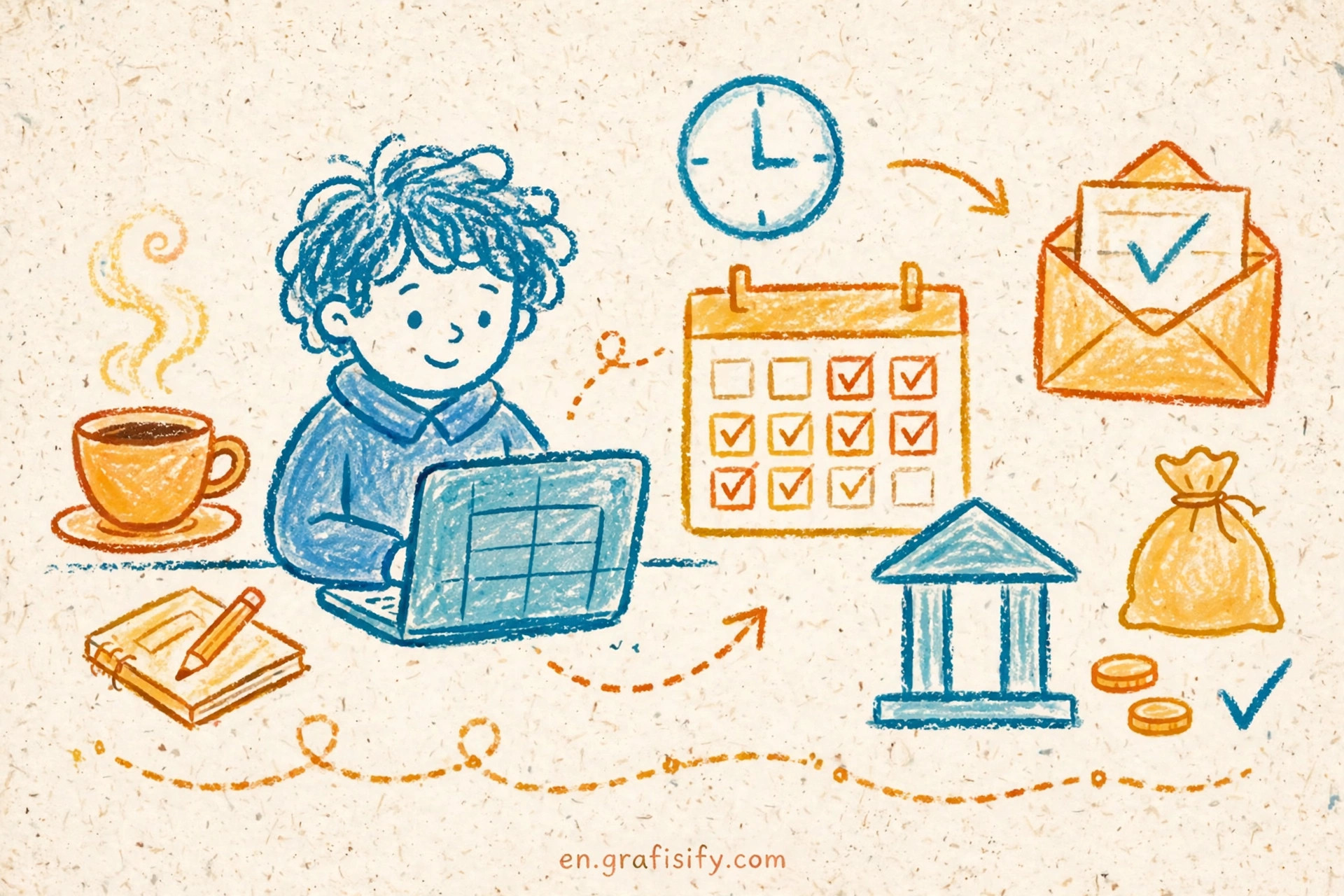
Below, we’re diving deep into five evergreen digital product categories. These aren’t fads. These are the bread-and-butter products that keep shops running for years. Buckle up.
1. The “Life OS” Digital Planner Bundle
Okay, I know what you’re thinking. “Another planner?” Yes, but hear me out. The market for generic “Daily To-Do” lists is saturated. It’s done. But the market for hyper-specific, niche-focused “Life Operating Systems” is wide open.
People aren’t just looking for a place to scribble a date. They are looking for control. They want a system that tames the chaos of their specific lives. We are talking about ADHD-friendly planners, financial freedom trackers for college students, or content calendars for budding YouTubers.

Why It Works Long-Term
Planning is a perennial need. It doesn’t go out of style. As long as humans have appointments and anxiety about missing them, planners will sell. The key here is hyperlinking. Using Canva, you can create interactive PDFs where clicking a tab jumps you to a specific month or day. This adds a layer of “premium” feel that justifies a higher price tag.
Design Tip: Don’t just make it pretty. Make it functional. If you are designing for busy moms, include meal prep sections and budget trackers right next to the weekly schedule. Make it a “no-brainer” purchase.
2. Client Onboarding Services Kits (B2B Goldmine)
This is where the real money is. B2B (Business to Business) products often have higher conversion rates because the buyer sees it as an investment, not an expense. Freelancers, coaches, and photographers are desperate to look professional, but they usually suck at design. That’s where you come in.
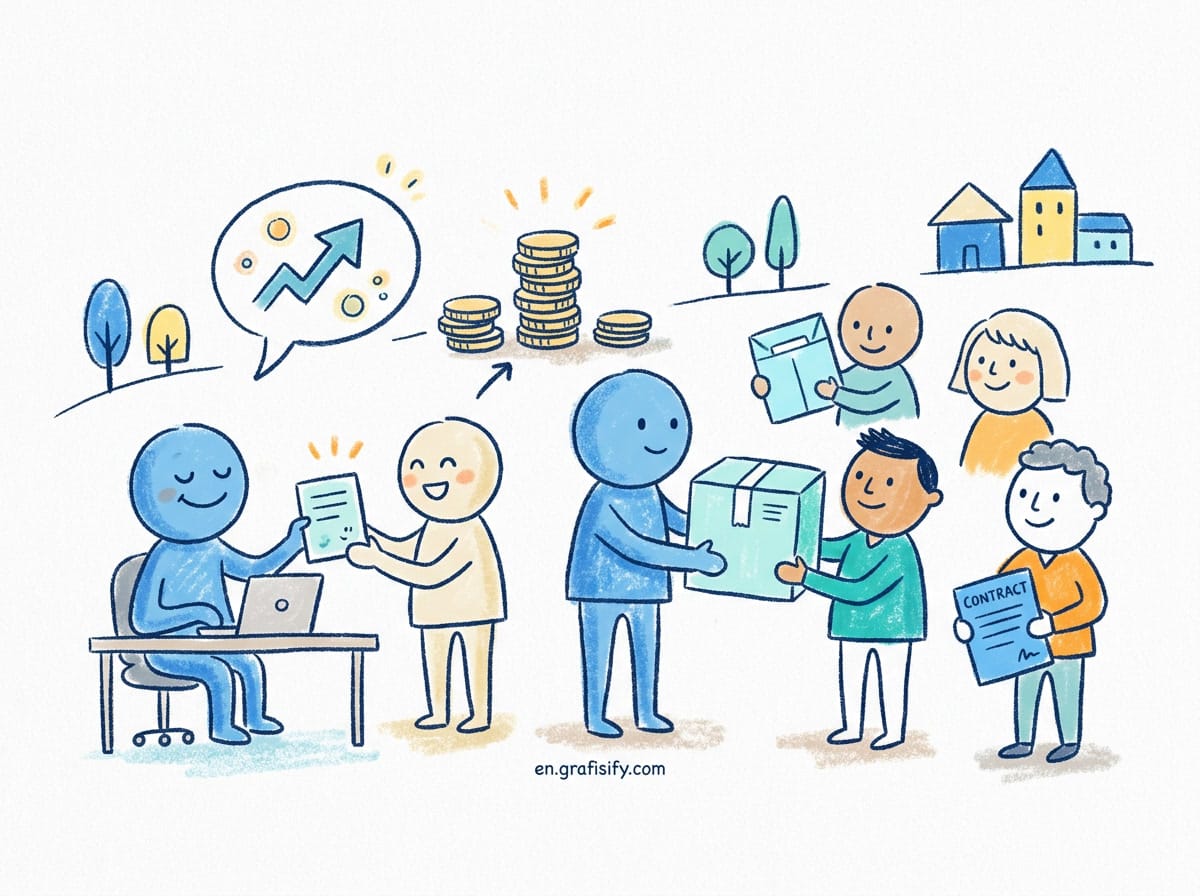
A “Client Onboarding Kit” usually includes:
- A Services & Pricing Guide (The Menu)
- A Welcome Packet (Setting expectations)
- Project Timeline Templates
- Feedback/Testimonial Request Forms
By creating these Canva digital products to sell on Etsy, you are saving a photographer 20 hours of frustration. They can buy your template, drop in their photos, change the fonts, and boom—they look like a high-end agency.

For those looking to expand their technical knowledge on how to structure these files for easy sharing, check out our deep dive in the tech guides category. Mastering the delivery mechanism is half the battle.
3. The “Course Creator” Blueprint (E-Learning Assets)
Everyone and their grandmother is launching an online course right now. The e-learning industry is exploding, and it’s showing zero signs of slowing down. But here is the friction point for most course creators: they are experts in their topic (like knitting or coding), but they are terrible at making slide decks look good.
You can design comprehensive “Course Companion” packs. These include:
- Webinar Slide Decks
- Fillable PDF Workbooks for students
- Cheatsheets and Checklists
- Certificate of Completion templates
This is a “pick and shovel” strategy. During a gold rush, don’t dig for gold; sell the shovels. By providing the aesthetic infrastructure for coaches, you become an essential part of their business model. It’s scalable, and once you make the master template, you can re-skin it for different niches (e.g., “Boho Style for Life Coaches” vs. “Corporate Minimalist for Finance Gurus”).
4. The Wedding & Event Suite (High Emotion, High Value)
Weddings are recession-proof in a weird way. People might cut back on avocado toast, but they will still drop serious cash to make their “Big Day” look perfect. The DIY bride is your target customer here. She has taste, but she’s on a budget.
But don’t just stop at the invitation. That’s amateur hour. Think about the entire ecosystem of the event:
- Save the Dates (Digital and Print versions)
- Bridal Shower Games
- Seating Charts
- Menu Cards
- “Will You Be My Bridesmaid?” Cards
The Strategy: Create a cohesive “Theme Suite.” If you design a rustic floral invitation, ensure you have every other matching item listed in your shop. This encourages bundling. A customer comes for an invite but leaves with the menu, the seating chart, and the table numbers because they want everything to match. It increases your Average Order Value (AOV) significantly.
5. The “Influencer In A Box” Media Kits
Influencer marketing is a legit industry. Micro-influencers (those with 5k-50k followers) need to pitch themselves to brands to get sponsorship deals. The problem? Sending a DM saying “Hey, let’s collab” doesn’t work anymore. They need a Media Kit—a professional resume for influencers.
These are one-to-two-page documents designed in Canva that highlight:
- Follower stats and demographics
- Engagement rates
- Past collaborations
- Pricing packages
Design these to be bold, energetic, and easily editable. If you can help an influencer land a $500 brand deal because your template made them look professional, your $15 template was a steal. That is the value proposition you need to sell.
Why These Are “Long-Term” Assets
You might be asking, “Why these five? Why not trending wall art?”
Trends fade. Remember the “Keep Calm and Carry On” posters? You couldn’t pay someone to hang that in their living room today. However, businesses always need onboarding forms. Brides always need invites. People always need to organize their lives. These needs are foundational to the human experience and the modern economy.
According to the Etsy Seller Handbook, shops that focus on solving problems rather than just offering aesthetics tend to see higher repeat customer rates. You aren’t just selling a file; you’re selling a solution to a stress point.

The Technical Reality Check: Pros and Cons
Before you run off to open your Canva account, let’s have a moment of honesty. It’s not all sunshine and passive income rainbows.
The Pros:
- Zero Inventory: No shipping boxes, no trips to the post office.
- High Margins: Once the file is made, selling it 1,000 times costs you nothing extra.
- Global Reach: You can sell to someone in Tokyo while you sleep in Chicago.
The Cons (The stuff gurus won’t tell you):
- Competition: It is fierce. You have to niche down.
- Customer Support: You will get messages from people who don’t know how to unzip a file or how to change a font color. You are tech support now.
- Copycats: People might steal your designs. It happens. You need to be vigilant.
Final Thoughts: Just Start
Analysis paralysis is the enemy of profit. You can spend months researching the “perfect” niche, or you can spend this weekend designing a solid, functional Client Onboarding Kit and getting it live.
The beauty of digital products is the agility. If something doesn’t sell, you can tweak the cover image, change the SEO tags, or redesign it entirely without losing money on physical inventory. For more design inspiration and technical tips, resources like Canva Design School are invaluable for sharpening your skills.
So, stop scrolling. Open Canva. Pick one of these five categories, and start building your digital empire. The best time to start was yesterday. The second best time is now.
Tagged with:
Canva DesignCanva digital productsdigital productsdigital products to sell on EtsyEtsy Seller TipsEtsy shop ideasGraphic DesignOnline BusinessPassive Incomepassive income ideassell Canva templateswork from home
Irfan is a Creative Tech Strategist and the founder of Grafisify. He spends his days testing the latest AI design tools and breaking down complex tech into actionable guides for creators. When he’s not writing, he’s experimenting with generative art or optimizing digital workflows.



 Artificial Intelligent
 Design & Creative
 Freelance
 Gadgets & Gear
 Insights
 Laptop
 Reviews
 Smartphone
 Tech Guides
 Vibe Coding