How to Write a Freelance Proposal That Wins Clients
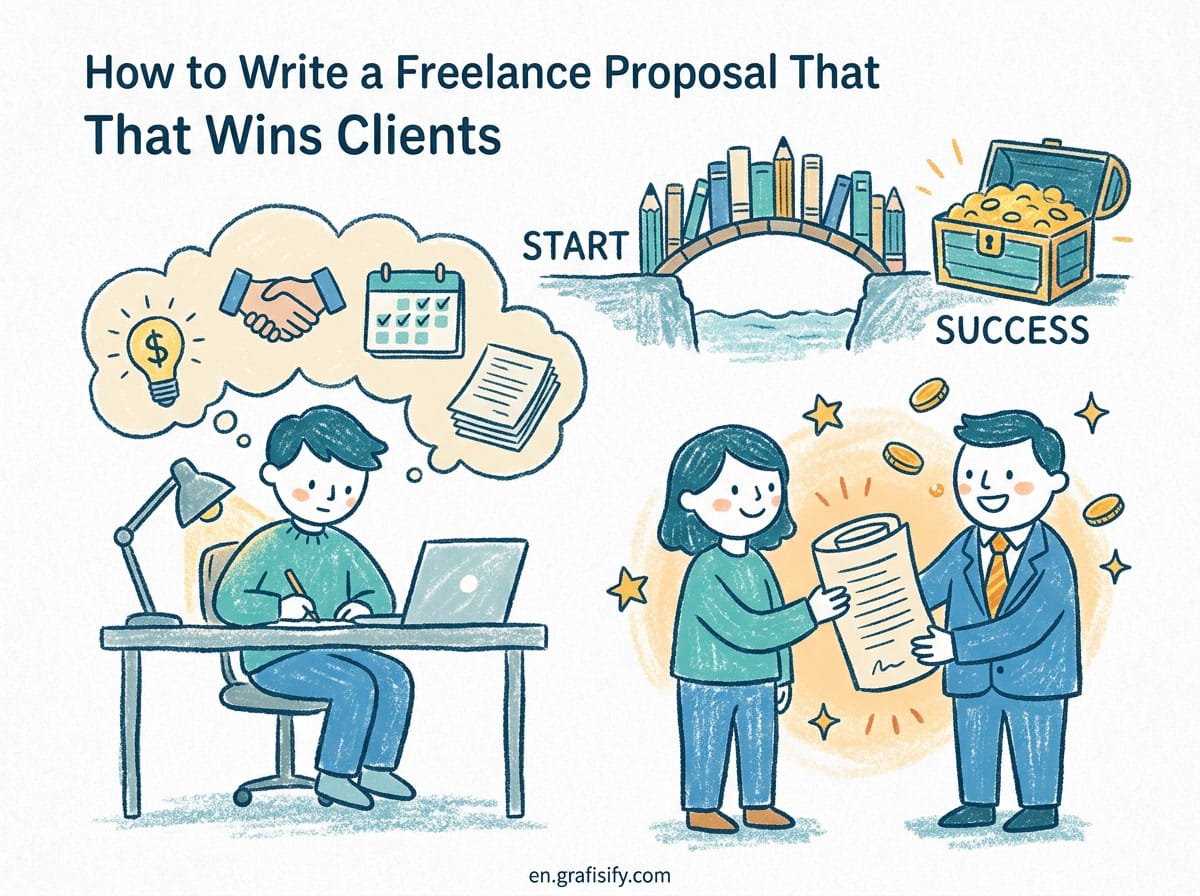
Quick Verdict: The Proposal Is Your Second Interview
Most freelancers treat the proposal as paperwork. They answer the client’s questions, paste a generic services list, and hope the price is right. That approach turns your strongest sales opportunity into a formality. The proposal is the one document where you control the entire conversation, and it is the difference between being one of ten bidders and being the only obvious choice.
After reviewing hundreds of freelance proposals over the years, I can tell you the pattern is consistent: the proposals that win are not the longest or the cheapest. They are the ones that prove the writer understood the client’s specific problem, laid out a clear plan, and made the decision easy. This guide breaks down the exact structure I use, the mistakes that quietly kill bids, and a template you can adapt in under an hour.

Why Proposals Matter More Than Your Portfolio
Your portfolio proves you can do the work. Your proposal proves you can do their work. Those are different claims, and clients evaluate them differently. A portfolio is a record of past problems you solved. A proposal is a prediction about their specific situation, and that prediction is what gets you hired.
Here is what happens inside a client’s head when they read your proposal. They are asking three questions: Do you understand my problem? Can you actually solve it? Is working with you going to be easy? Notice that price is not first on that list. Clients hire the person who makes them feel confident, and confidence comes from specificity, not from low numbers.
Also Read:
Think about how you react to a generic pitch in your own inbox. When someone sends you a message that clearly went to fifty other people, you delete it. Clients do the same thing with generic proposals. The proposal is your chance to show you paid attention, and that single signal separates you from most of your competition before anyone looks at your rates.
The Structure That Wins: 7 Sections That Do the Work
Every winning proposal I have written follows the same skeleton. You do not need to be clever with the structure. You need to be complete, and you need to be ordered so the client follows your logic from problem to solution to decision.
1. Opening: Name Their Problem Back to Them
Open with one or two sentences that show you understand their situation better than they expect. Reference something specific from their project brief, their website, or your discovery call. If they mentioned a launch date, a budget range, or a competitor they worry about, that detail belongs in your first paragraph. This is not flattery. It is proof of attention.

2. The Outcome: What Success Looks Like
Describe the finished result in concrete terms before you describe the process. If the project is a website, describe the experience a visitor will have. If it is a brand identity, describe how the brand will feel across touchpoints. Clients buy outcomes, not activities, so lead with the outcome.
3. Scope: What You Will Deliver
List the specific deliverables with enough detail that there is no ambiguity. A scope that reads “website design” invites scope creep and disputes later. A scope that reads “five page website, mobile responsive, contact form, basic SEO setup, two revision rounds” is a contract you can defend. Be generous with clarity here because it protects both of you.
4. Process: How You Work
Walk through your process in phases: discovery, creation, review, delivery. This section reduces anxiety because it shows the client what happens after they say yes. Include realistic timelines per phase. Clients fear the unknown far more than they fear the work, and a clear process removes that fear.
5. Timeline and Investment
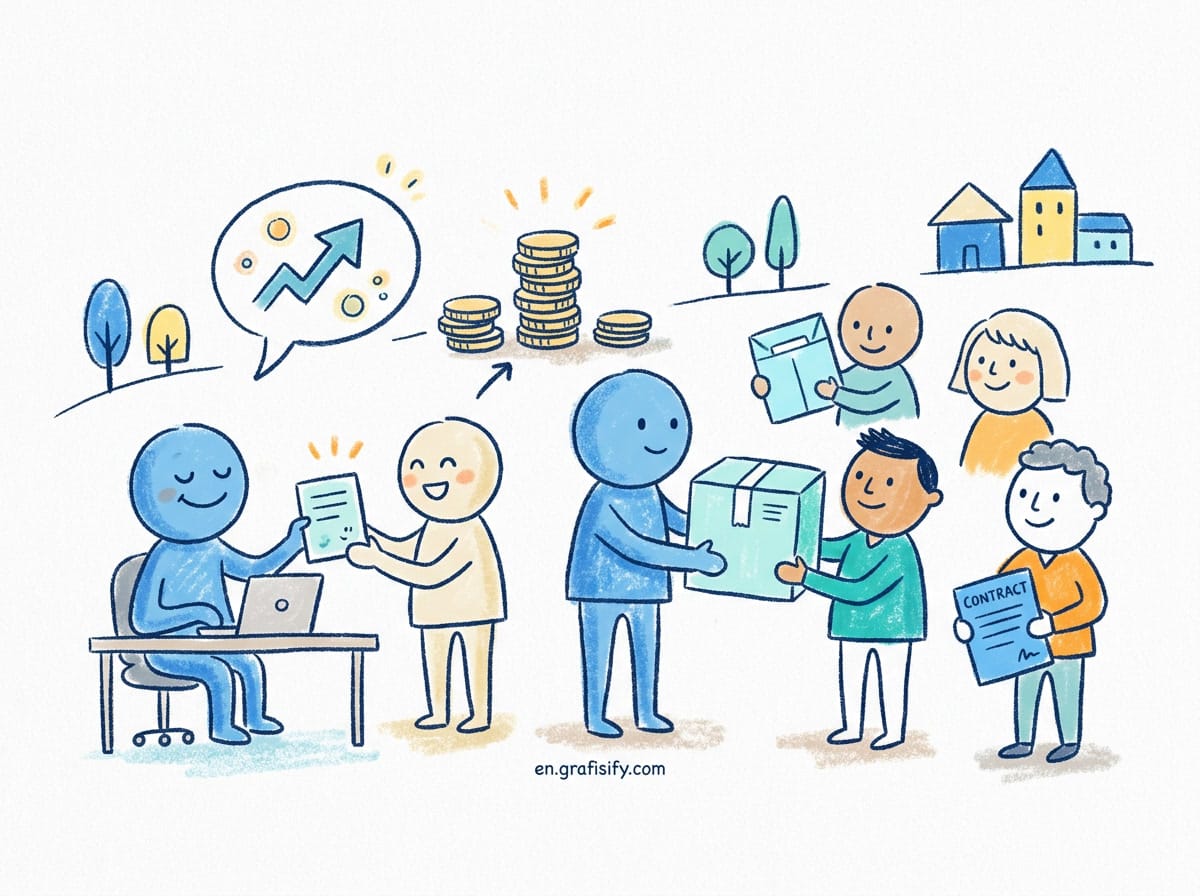
Give a start date, a completion date, and a clear price. Present the price as an investment with the value anchored to the outcome. If the project has phases, break the pricing down. Transparency here builds trust, and trust is what gets the proposal signed.
6. Why You: Relevant Proof
Pick two or three case studies that match the current project, not your most impressive work overall. A similar project in the same industry beats a prestigious project in a different industry every time. Link each proof point to a specific reason it matters for this client.
7. Next Step and Call to Action
Close with a clear, low-friction next step. Offer a short call to review the proposal together, or propose a specific start date. Never end with “let me know if you have questions.” That passive close puts the work on the client. Instead, tell them exactly what happens next.
What to Cut: The Sections That Quietly Kill Bids
Just as important as what you include is what you leave out. Several common proposal habits actively work against you, and removing them improves your win rate immediately.
| Proposal Element | Why It Hurts | Replace It With |
|---|---|---|
| Generic services list | Reads as mass email, proves nothing about their project | Specific deliverables tied to their brief |
| Paragraph about your history | Clients care about their outcome, not your journey | Two or three matched case studies |
| Wall of pricing options | Too many choices create decision paralysis | One clear price, or two anchored options |
| Vague timeline (“as soon as possible”) | Signals uncertainty and weak planning | Concrete dates and phase durations |
| Apologetic language (“sorry for the long proposal”) | Undermines your authority before they decide | Confident, tight copy that respects their time |
| Jargon and acronyms | Forces the client to work to understand you | Plain language that a non-specialist can follow |
The common thread is that weak proposals shift the mental work onto the client. Your job is to remove every obstacle between reading your proposal and saying yes. Every section that does not serve that goal is costing you money.

How to Price Without Apologizing
Pricing is where most freelancers lose the proposal, and it rarely has anything to do with the number. It has to do with how the number is framed. When you present a price with confidence and anchor it to value, the number feels reasonable. When you present it with hesitation or over-justification, the same number feels expensive.
Anchor the price to the outcome before you state it. If the project saves the client twenty hours a month, say that. If it increases conversion on a page that gets ten thousand visitors, say that. The price then reads as a small cost against a large return, which is exactly how every business decision is made.
For pricing models, you have three realistic options. Fixed price works when the scope is clear and you trust your estimate. Hourly works when the work is open-ended, but it rewards slowness and makes clients nervous about surprises. A hybrid model, where you charge a fixed price for a defined phase and hourly for anything beyond it, gives you the best of both. Pick the model that fits the project, and state it plainly in the investment section.
One rule I hold to: never cut your rate in the proposal. If the price is genuinely too high for the client, offer a reduced scope at a reduced price instead. Cutting the rate teaches the client that your number was negotiable from the start, and it sets the tone for every future negotiation.
Tailoring: One Template, Never a Form Letter
Templates are not the enemy. Sending the same template with the client’s name swapped in is the enemy. The difference is tailoring, and tailoring is what makes a template feel personal.
Before you write a single word, spend fifteen minutes on the client’s business. Read their website, their recent posts, their reviews. Find the specific language they use to describe their own problems. When your proposal mirrors their vocabulary, they feel understood, and understanding is the emotional core of every hiring decision.
Reference something only they would know. Mention their launch date, their customer complaint, their competitor’s move. These details are cheap for you to find and priceless in their effect, because they are impossible to fake at scale. A client who receives a proposal that clearly could only have been written for them will not compare you to cheaper bidders. They will compare you to nothing.
The Follow-Up That Recovers Dead Proposals
Most proposals die in silence, not in rejection. Clients get busy, priorities shift, and your proposal sinks to the bottom of an inbox. The difference between a freelancer who follows up and one who does not is often the difference between a full calendar and a quiet one.
Send a follow-up three to five business days after you submit the proposal. Keep it short, and give the client an easy way to respond. A simple “I wanted to check whether you had any questions about the proposal” costs nothing and recovers a surprising number of deals. The key is to follow up without being needy. One or two gentle touches is professional. Daily pinging is harassment.
When a client does say no, ask for feedback in a way that is easy to act on. A single question, like “What made you go with another option?” often gets an honest answer that improves your next proposal. Every rejection contains data, and freelancers who collect that data compound their win rate over time.
Frequently Asked Questions
How long should a freelance proposal be?
Aim for two to four pages. Long enough to show you understand the project, short enough that the client actually reads it. If the client asked for a formal document with detailed terms, longer is fine. For most projects, tight and specific beats long and comprehensive.
Should I send a proposal before or after a call?
After the call, whenever you can manage it. The call gives you the specific details that make the proposal feel tailored. If a call is not possible, ask two or three clarifying questions by email first, then write the proposal with those answers in hand.
What if the client asks for free work in the proposal?
Do not do free discovery work that belongs inside the paid scope. You can demonstrate understanding with a short paragraph, but a full mockup or a detailed strategy belongs in the project. If you give away the plan, you have given away the value.
Should I put my rates in the proposal?
Yes, transparently. A clear price builds trust, and clients who need to negotiate will negotiate regardless. Hiding the price forces an awkward email exchange and signals that you are not confident in your number.
Final Thoughts: Make the Decision Easy
A winning proposal does one job: it makes saying yes the path of least resistance. It understands the client’s problem better than they expected, it lays out a clear plan with a fair price, and it closes with a next step that takes ten seconds to accept.
You do not need to be the best designer or writer in your market to win more work. You need to be the person who made the client feel understood and confident, and that happens in the proposal. Start with the structure above, tailor it to every client, and follow up like a professional. The work will follow.
If you are still building the foundation, start with a portfolio that wins clients before you worry about proposals. From there, learn where the clients actually are so you have someone to send proposals to. Once you are getting replies, this proposal structure will turn those conversations into signed projects, and you can apply the same thinking to your Fiverr profile. For the bigger picture, a full client acquisition system ties the whole funnel together.
For outside perspective on the same problem, the fitsmallbusiness.com proposal guide covers the formal business document side, while Business News Daily’s take explains how proposals fit into the sales process. If you want benchmark numbers on win rates, Freelance Figures breaks down what a good win rate looks like, and HubSpot’s guide to writing a proposal gives you a starting structure to adapt.

Irfan is a Creative Tech Strategist and the founder of Grafisify. He spends his days testing the latest AI design tools and breaking down complex tech into actionable guides for creators. When he’s not writing, he’s experimenting with generative art or optimizing digital workflows.



 Artificial Intelligent
 Design & Creative
 Freelance
 Gadgets & Gear
 Insights
 Laptop
 Reviews
 Smartphone
 Tech Guides
 Vibe Coding