How to Build a Freelance Portfolio That Wins Clients
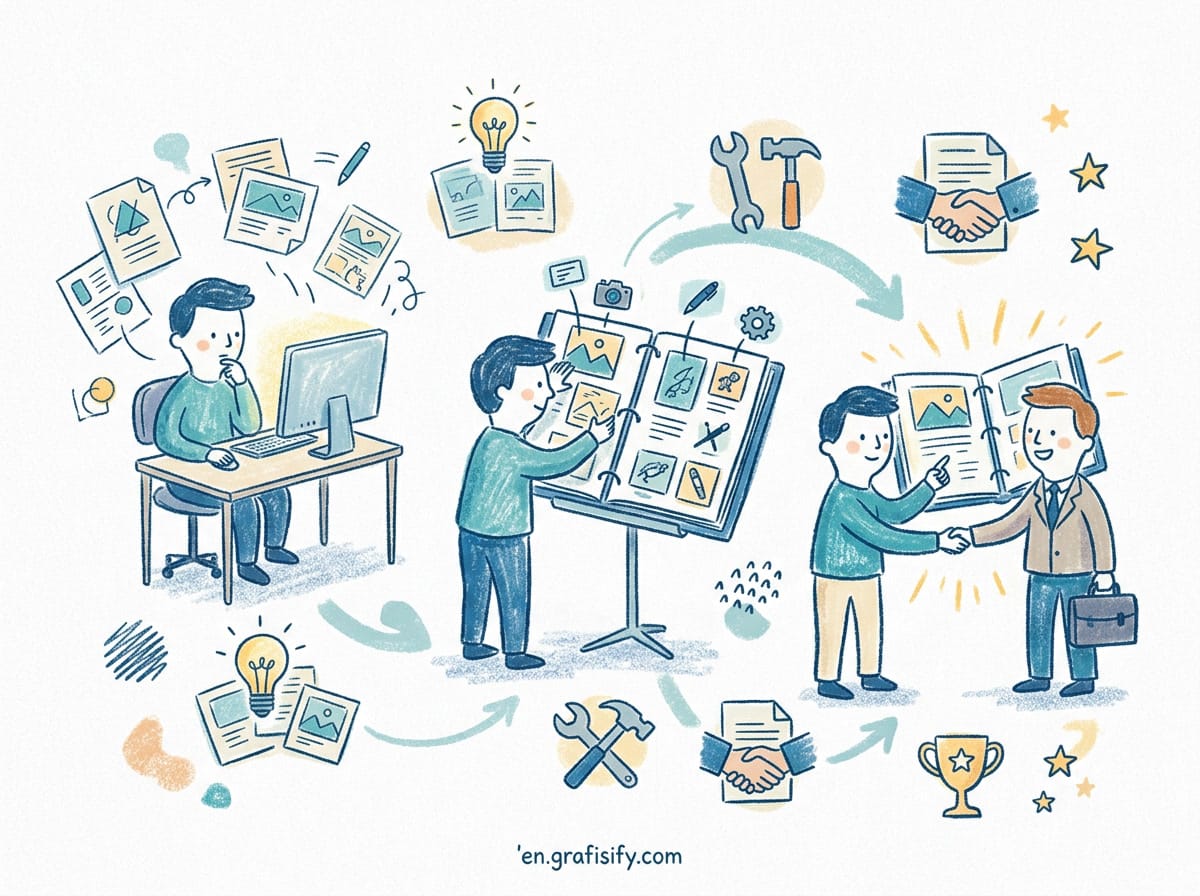
Verdict: Your Portfolio Is a Sales Tool, Not a Gallery
Most freelancers treat their portfolio like an art gallery. They upload 30 pieces and hope clients scroll to the bottom. It rarely works. Clients skim your site for about 15 seconds before deciding whether to keep looking, so every page needs to answer one question fast: can you solve my problem?
Here is the short version. Keep your portfolio to five to eight curated projects. Lead every project with the problem and the business result, not the pretty screenshot. Make your contact details impossible to miss. Do that and you turn a passive gallery into a machine that brings in better clients and lets you raise your rates. I have audited dozens of designer portfolios over the years, and the ones that win follow the same few patterns.
Why Your Portfolio Is Quietly Costing You Clients
Clients do not judge you the way other designers do. They judge you the way a buyer does. A potential client lands on your site, scans for proof that you have solved their type of problem, and moves on if they do not find it within seconds. According to portfolio research from FeedCoyote, visitors form a first impression almost immediately.

Also Read:
Here is the uncomfortable part. Freelance platforms report that repeat clients and referrals drive most of a freelancer’s income, with a large share of new projects coming from previous clients and word of mouth. Your portfolio does not have to impress a random stranger. It has to make the people who already trust you look good when they share your link.
The fix starts with treating every project as a case study with a measurable outcome. If you already landed most of your work through referrals, your portfolio becomes the evidence that backs up the referral.
The 3-5-3 Structure That Actually Works
Stop trying to show everything you have ever made. A tight structure beats volume every time. I have seen portfolios with 40 projects get zero calls, and portfolios with five projects close deals within a week.

Use this three-part structure:
- 3 to 5 featured case studies. Pick projects that solve a common client problem and produced a clear result. If you can show the number went up, do it.
- 5 essential pages. Homepage, About, Services, Case Studies, and Contact. No more, no less. Clients get lost when you add a separate page for every category.
- 3 trust signals on every page. A testimonial, a recognizable client logo, or a concrete metric. Repeat them so a visitor sees proof no matter where they land.
This mirrors the advice in our guide on finding freelance clients through the channels that work. A focused portfolio supports every channel because it gives each referral a reason to convert.
Write Case Studies That Prove Impact
Clients do not buy your style. They buy a result. Rewrite every project using the PART framework: Problem, Approach, Result, and Testimonial.
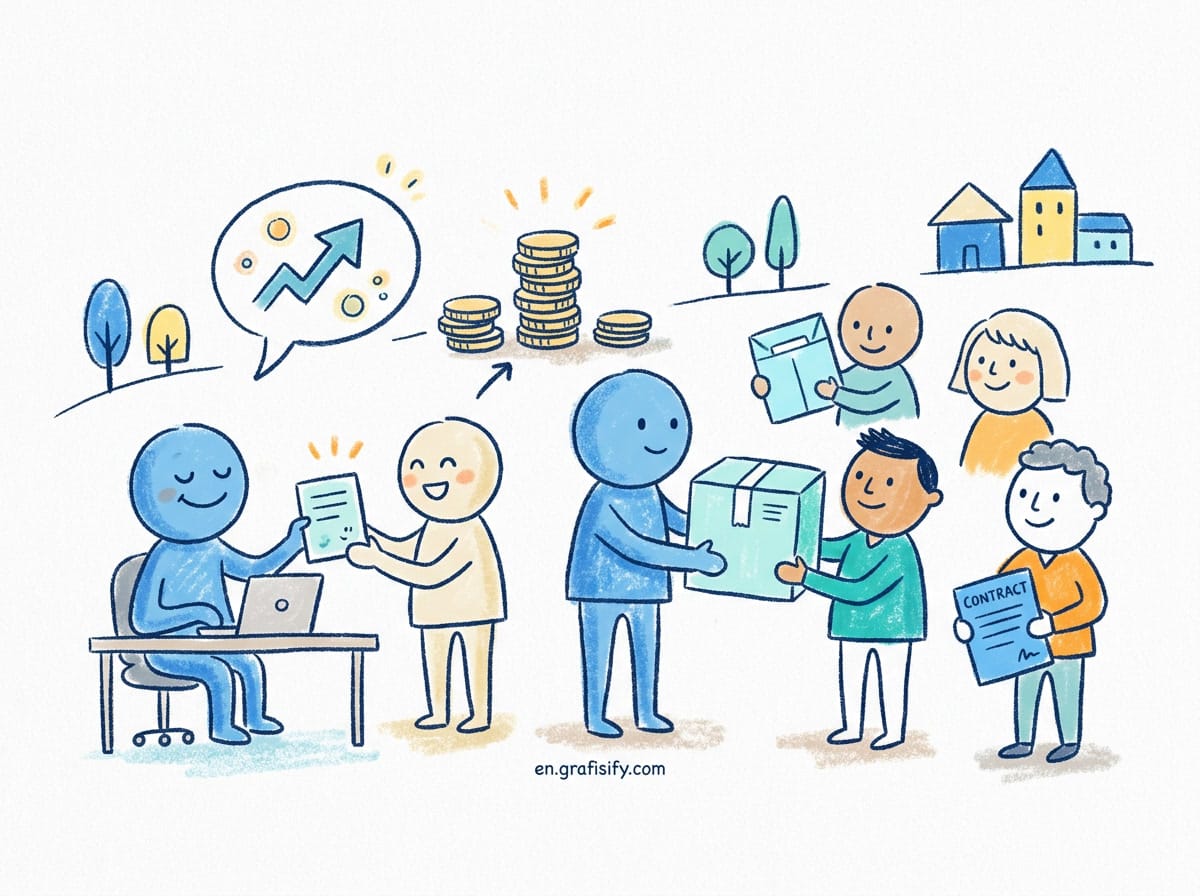
Describe the business problem in one or two sentences. Explain your approach in plain language, not design jargon. State the result with a number or a concrete change. Close with a short client quote. This turns a vague “redesigned their website” into a story a client can picture.
| Weak portfolio entry | Strong portfolio entry |
|---|---|
| “Redesigned a bakery website” | “Redesigned a bakery site and lifted online orders by 32 percent in 60 days” |
| Four screenshots, no context | Problem, approach, result, and a client quote |
| Generic “about the client” text | One-line problem statement up front |
| No contact link nearby | Contact link next to the case study |
If you struggle to write about your work, our practical guide on font pairing for web design shows the same principle in action: small, specific choices matter more than big sweeping claims.
Common Mistakes That Send Clients Away
Most portfolio problems are easy to fix once you know what to look for. Career guides from Dribbble’s design career resources point to the same handful of mistakes. Here are the ones I see most often:
- Too much work. Curating is a skill. Show fewer projects and invest in presenting them well. Research into real portfolio reviews found that reviewers consistently favor a small set of detailed case studies.
- Blurry or low-resolution images. A surprising share of portfolios still use compressed images that look bad on a laptop. Check every image on a real screen.
- Buried contact details. If a client has to hunt for your email, they will pick the designer who made it easy.
Page speed matters too. A slow portfolio is a hidden fee you charge every visitor. Google’s own PageSpeed Insights tool shows what is dragging your site down, and most clients give up before a heavy page finishes loading.
Prove Your Work Is Yours in the AI Era
AI tools now generate mockups in seconds, so a screenshot no longer proves you did the work. Clients have learned to ask. Beat them to the question by showing your process.
Add a short paragraph about the constraints you worked under, the decisions you made, and the back and forth with the client. Add a process sketch or a two-minute video walkthrough if you have one. When you show the thinking behind the result, you look harder to replace, and that lets you justify a higher rate. Reviews of real portfolios, like the ones published on freeCodeCamp’s developer education hub, consistently reward this documented thinking. It also connects to trust built through your broader personal brand, covered in our piece on personal branding for freelance designers.
The 15-Point Portfolio Audit
Run this checklist before you send your portfolio to the next potential client. Score yourself out of 15, one point per item.
- Technical (5 points): loads in under 3 seconds; looks good on mobile; images are sharp; all links work; no broken formatting.
- Content (5 points): 3 to 5 case studies; every case uses Problem, Approach, Result, Testimonial; a clear About page; a short list of services; one obvious call to action.
- Business (5 points): visible contact details; at least one testimonial; recognizable client or metric; a specific niche or service; a professional email address.
A score under 10 means you are not ready to raise rates yet. Fix the gaps, then update the portfolio every six months or whenever you land a stronger project. For staying profitable while you refine this, our data-driven look at remote work productivity for freelancers is worth a read.
Step by Step: How to Rebuild One Case Study Today
Rewriting your whole portfolio in one sitting is overwhelming. Instead, rebuild one case study from start to finish using this repeatable process. Once you see how much stronger a single rewritten project is, you will have a template you can apply to the rest.
Start by picking the project you are most proud of, not the one that looks best in a screenshot. The project that taught you the most is usually the one that lets you speak with the most confidence, and confidence reads clearly in writing.
Next, write the problem in two or three sentences. Explain what the client needed and why it was hard. Be specific about the constraint, whether it was a tight deadline, a limited budget, a complex audience, or an unfamiliar technical stack. Avoid vague phrases and name the real friction point.
Then describe your approach in a short paragraph. Show your process: the research you did, the options you considered, and the decision you made. Clients want to see that you think before you build, not just that you can deliver a file.
After that, state the result with a number when you have one. A faster load time, a higher conversion rate, or a shorter turnaround all work. If you do not have a number, describe the outcome in terms of what the client could now do differently. Every result is measurable if you frame it around the business.
Finally, add a short testimonial or a one-line reflection on what you learned. This human touch is what clients remember, and it makes the case study feel like evidence rather than advertising. Save this structure as a template and reuse it for every future project.
Frequently Asked Questions
How many projects should I show in my portfolio? Five to eight is a solid range. Fewer than five can look thin, while more than eight makes it harder for a client to see your strongest work. Quality always beats quantity, and a curated set of projects gives you room to show range without overwhelming the reader.
Should I include personal projects if I have no client work yet? Yes. Personal projects prove you can deliver from start to finish even when a client has not hired you yet. Frame them the same way you would a client project, with a clear problem, your approach, and a measurable result, and they carry real weight.
Do I need a professional domain name? A custom domain is worth the small annual cost. It looks more credible than a free host, and it gives you a short, memorable link you can put on business cards and in email signatures. Buy one as soon as you are ready to send your portfolio anywhere.
How often should I update my portfolio? Update it whenever you finish a stronger project or change your focus. A good rule is to review it every six months and after every major engagement. Keeping it current is what stops you from showing outdated work to a new client.
Can a single case study page work instead of a full website? Yes, especially early on. A well-written one-page case study with your contact details can win work faster than an empty template site. Start simple, prove the format works, and expand when you have more projects to show.
Your Next Step
You do not need a perfect portfolio, just one that proves you can solve a client’s problem. Cut your projects down to five, rewrite each one around a result, and make your contact information impossible to miss. Do that, and your portfolio stops being a passive gallery and starts closing deals while you sleep.
Start with one case study this week. Rewrite it with the PART framework and add a number to the outcome. When you see how that one change shifts a client conversation, you will want to redo the rest. If you are still deciding where to focus your energy, go back to our guide on the client channels that actually deliver and pick the one that fits your niche.
Tagged with:
Creative Portfoliodesign portfolio sitesfreelance graphic designfreelance productivityfreelance tipsfreelancer tools
Irfan is a Creative Tech Strategist and the founder of Grafisify. He spends his days testing the latest AI design tools and breaking down complex tech into actionable guides for creators. When he’s not writing, he’s experimenting with generative art or optimizing digital workflows.






 Artificial Intelligent
 Design & Creative
 Freelance
 Gadgets & Gear
 Insights
 Laptop
 Reviews
 Smartphone
 Tech Guides
 Vibe Coding