7 Critical Ethical Concerns of Using Generative AI in High School for Teachers and Parents

The Verdict: As artificial intelligence floods the US education system, the debate over Generative AI in High School has shifted from “if” to “how.” While these tools offer unprecedented personalized learning opportunities, they bring significant baggage regarding academic dishonesty, data privacy, and the potential erosion of critical thinking skills that every parent and teacher must navigate carefully.
What is Generative AI in High School?
Generative AI in High School refers to the integration of large language models (LLMs) like ChatGPT, Claude, and image generators into the secondary education curriculum and student workflow. It involves utilizing machine learning algorithms to synthesize original text, solve complex equations, and create visual media, serving as both a powerful tutor and a controversial shortcut in the American classroom.

7 Ethical Hurdles We Must Overcome
1. The Plagiarism Paradox and Academic Integrity
The most immediate panic induced by the arrival of Generative AI in High School is the blurring line between inspiration and intellectual theft. In the past, plagiarism was easy to define: copying text from a book or website without attribution. Today, a student can generate a unique essay on The Great Gatsby in seconds. This isn’t “copy-pasting” in the traditional sense, but it bypasses the cognitive struggle required to learn.
For teachers, the challenge is distinguishing between a student’s authentic voice and a machine’s polished output. When students outsource their writing to AI, they rob themselves of the ability to structure arguments and articulate thoughts. Parents need to understand that while these tools are helpful for brainstorming, relying on them for the final product constitutes a breach of integrity that can stifle a student’s academic growth.
2. Data Privacy and the Black Box
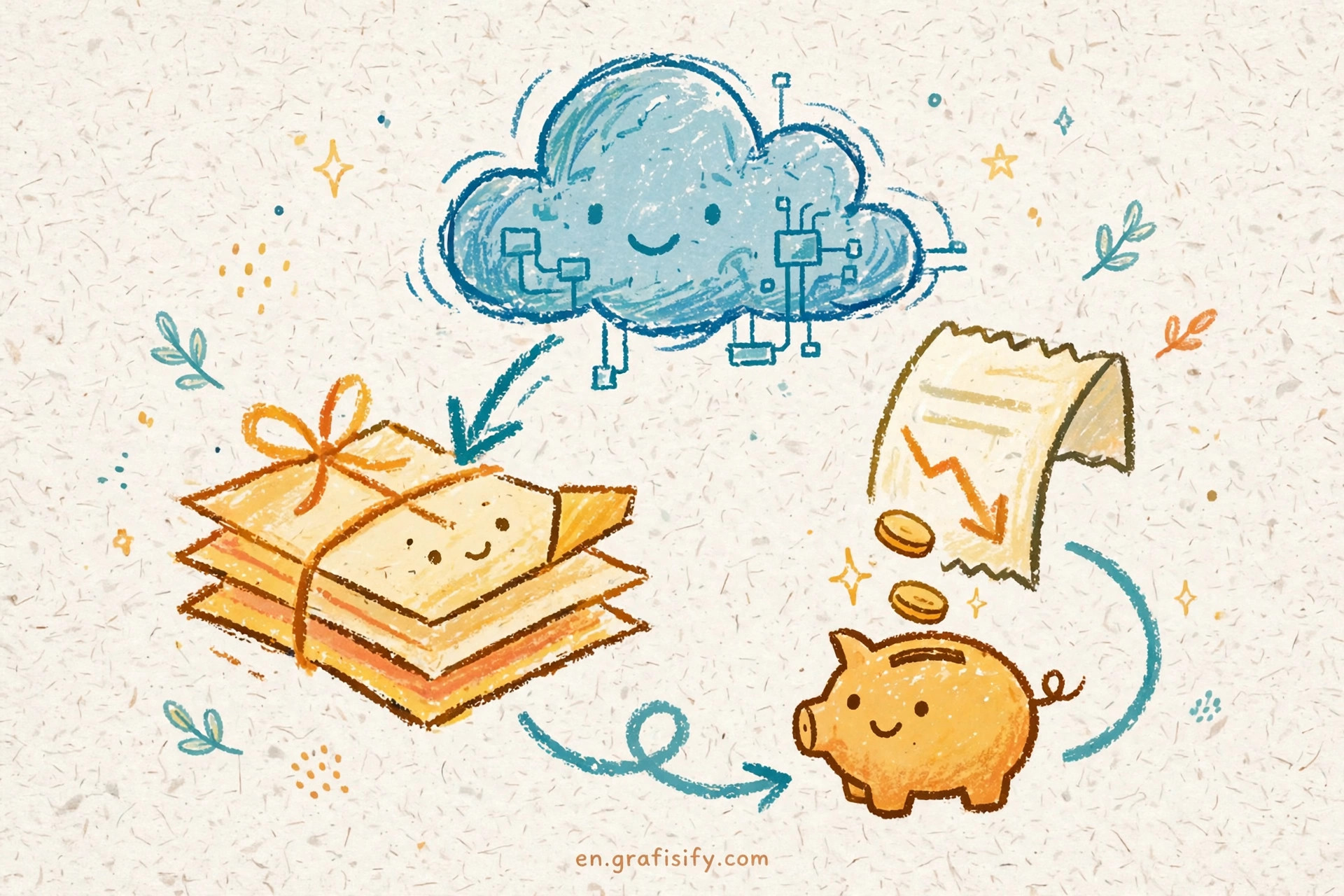
We often forget that “free” tools are usually paid for with data. When a teenager inputs their personal experiences, college application essays, or mental health struggles into a chatbot, where does that information go? The implementation of Generative AI in High School raises massive red flags regarding student anonymity and data harvesting.
Unlike educational software vetted for FERPA compliance, many public generative AI tools use input data to train their models further. This means a student’s unique ideas or sensitive information could theoretically become part of the public domain or the AI’s knowledge base, accessible to others. Schools must be vigilant about which platforms they endorse.
3. Algorithmic Bias and Hallucinations
AI is only as good as the data it was trained on, and the internet—its primary textbook—is rife with bias. Generative models can inadvertently reinforce stereotypes regarding race, gender, and socioeconomic status. If a student uses AI to learn about history or sociology, they might be fed a skewed perspective presented as objective fact.
Furthermore, AI “hallucinations”—confidently stated falsehoods—are a major risk. A student might receive a completely fabricated date, citation, or scientific “fact” and accept it as truth because the computer said so. Critical digital literacy is no longer optional; it is a survival skill. Learn more about AI hallucinations here.
4. The Socioeconomic Equity Gap
The promise of Generative AI in High School was that it would be a “great equalizer.” However, the reality is shaping up to be quite the opposite. The best, fastest, and most accurate AI models often sit behind paywalls (e.g., ChatGPT Plus or Gemini Advanced).
Students from affluent families who can afford $20/month subscriptions will have access to superior tutors, editors, and coding assistants. Meanwhile, students relying on free, older versions may deal with slower speeds and lower-quality outputs, effectively widening the achievement gap in US schools rather than closing it.

5. Cognitive Atrophy and the Loss of Critical Thinking
The brain is a muscle; if you stop using it, it atrophies. The fear among educators is that Generative AI in High School will act as a crutch that prevents students from developing essential critical thinking and problem-solving skills. If an AI can summarize a 30-page reading in three bullets, will the student ever learn to synthesize complex information?
Writing is thinking. By offloading the writing process to an algorithm, students are offloading the thinking process. The concern isn’t just about grades; it’s about graduating a generation of students who can consume information but lack the ability to analyze, critique, or create original thought without a digital prompt.
6. The Diminishing Human Element
School is about more than just curriculum; it is about social interaction and emotional growth. An over-reliance on AI tutors could lead to increased isolation. Why ask a teacher for help or collaborate with a peer when a bot gives you an instant, judgment-free answer?

There is a nuanced emotional intelligence that human teachers provide—encouragement, empathy, and understanding a student’s unique context—that no algorithm can replicate. We must ensure that technology supports the human connection in the classroom rather than replacing it.
7. Teacher Displacement and Burnout
Finally, we must address the elephant in the room: the impact on the educators themselves. While AI can automate lesson planning and grading, there is a legitimate fear among staff regarding the devaluation of their expertise. If a student believes “ChatGPT can teach me this better,” the teacher-student relationship strains.
Conversely, teachers are being asked to police AI usage without proper tools or training, adding another layer of stress to an already demanding profession. The ethical deployment of Generative AI in High School requires supporting teachers, not just students. According to the Office of Educational Technology, AI should be designed to enhance human intelligence, not replace it.
Strategies for Responsible AI Integration
Banning these tools is a losing battle; the “cat is out of the bag.” Instead, the focus should shift toward “AI Literacy.” Schools should implement open-book assessments where the use of AI is transparently allowed and critiqued. For example, students could generate an essay using AI and then grade the AI’s work, finding errors and improving the arguments.
Parents should treat Generative AI in High School homework sessions like a calculator in math class—useful for checking work or getting past a mental block, but not for doing the heavy lifting. Open conversations about why we learn are more effective than blocking software.

Pros & Cons of AI in the Classroom
✅ The Good
- Personalized Tutoring: AI can adapt explanations to a student’s specific learning style instantly.
- Efficiency for Teachers: Automating administrative tasks frees up time for direct student mentorship.
- Accessibility: Great tools for students with learning disabilities or language barriers to level the playing field.
❌ The Bad
- Erosion of Basics: Potential loss of fundamental writing and coding skills due to over-reliance.
- Plagiarism Detection Wars: An endless cycle of students finding new ways to bypass detection software.
- Data Mining: Risk of sensitive student data being used to train commercial models without consent.
Final Thoughts
The integration of Generative AI in High School is not a fleeting trend; it is a fundamental shift in how knowledge is accessed and created. The ethical concerns are real and weighty, but they are not insurmountable. By prioritizing transparency, data privacy, and critical thinking over rote memorization, we can turn this disruptive technology into a powerful ally.
For parents and teachers in the US, the goal isn’t to raise children who can compete with robots, but to raise children who can lead them. Read our related guide on the Best AI Tools for College Prep.
Source: Wikipedia, US Department of Education.
Tagged with:
Academic IntegrityAI EthicsArtificial IntelligenceChatGPT in SchoolsDigital LiteracyEdTechFuture of LearningHigh School CurriculumParenting TipsTeacher Resources
Irfan is a Creative Tech Strategist and the founder of Grafisify. He spends his days testing the latest AI design tools and breaking down complex tech into actionable guides for creators. When he’s not writing, he’s experimenting with generative art or optimizing digital workflows.





 Artificial Intelligent
 Design & Creative
 Freelance
 Gadgets & Gear
 Insights
 Laptop
 Reviews
 Smartphone
 Tech Guides
 Vibe Coding