The Editor’s Verdict: Can AI replace junior graphic designers entirely by 2026? No. But it will absolutely slaughter the role of the “pixel pusher.” The junior designer of tomorrow isn’t just a creator; they are an editor, a curator, and a prompt strategist. If you aren’t evolving, you’re extinct.
Let’s address the elephant in the room immediately. You’re scrolling through LinkedIn, seeing Midjourney V6 or DALL-E 4 churn out logos that would have taken a human three days to conceptualize, all done in under thirty seconds. It’s terrifying. It’s awe-inspiring. And honestly? It begs the question that keeps art school graduates awake at night: Can AI replace junior graphic designers?
If we look at the trajectory toward 2026, the answer isn’t a simple binary yes or no. It’s messy. The industry is currently undergoing a seismic shift, comparable to the transition from manual paste-up to desktop publishing in the 80s. Back then, typesetters panicked. Today, we call that evolution. But here’s the kicker—generative AI isn’t just a tool; it’s a competitor for the low-hanging fruit of the design world.
In this deep dive, we are stripping away the hype and looking at the cold, hard reality of the creative industry. We will explore why the definition of “junior” is changing, why human intuition is currently unhackable, and how you can avoid becoming a casualty of automation.
The Reality Check: Where AI Stands in 2026
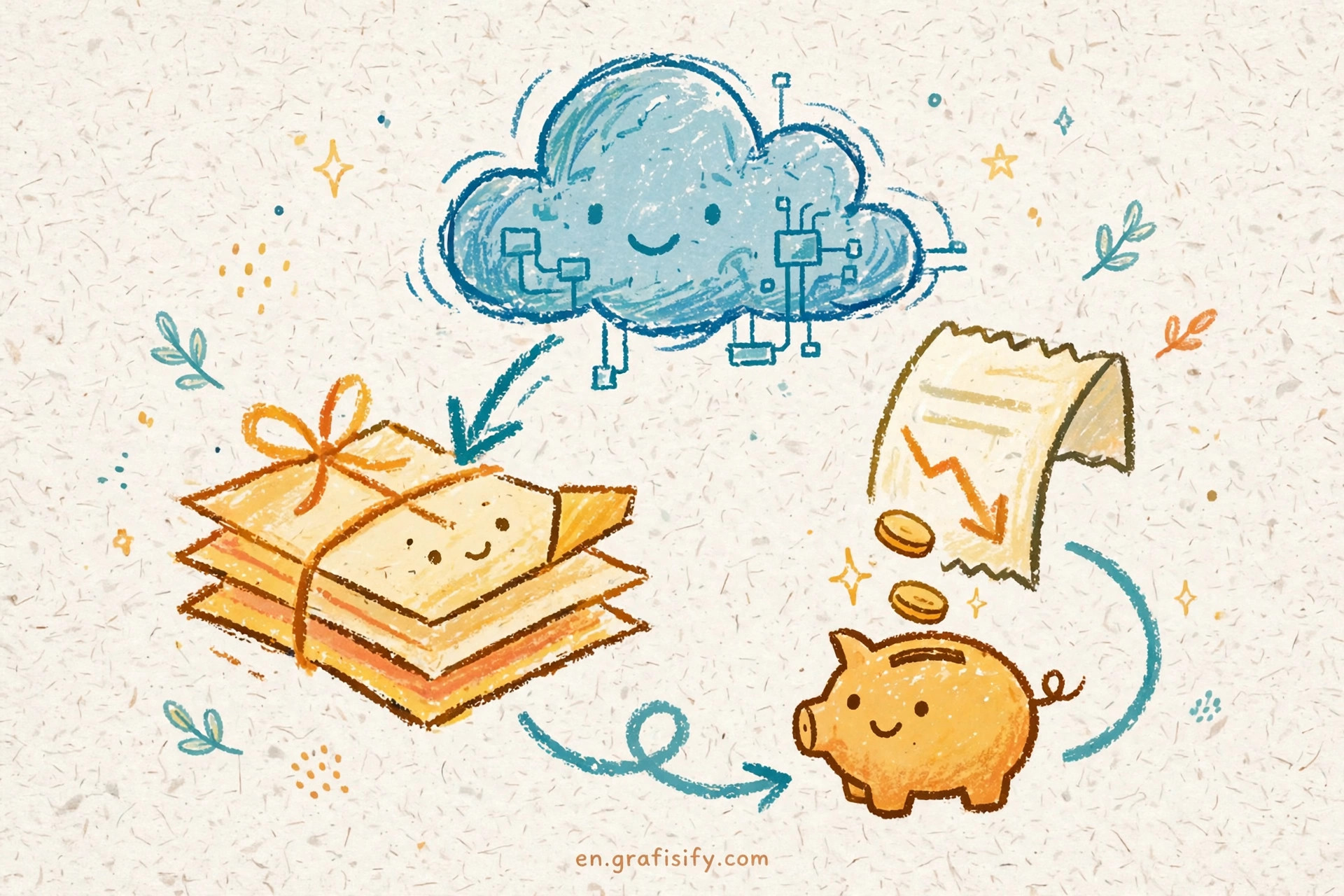
By 2026, the novelty of AI art will have worn off. It will no longer be about “Look what the robot made!” It will be about utility. Current tools like Adobe Firefly and Canva’s Magic Studio are already normalizing the automation of mundane tasks. Background removal? One click. Extending an image? Done. These used to be the bread and butter of a junior designer’s daily grind.
So, does this mean the role is dead? Not exactly. It means the entry-level grunt work is dead. The days of hiring a junior just to resize banners for Google Ads are numbered. AI can generate 50 variations of a web banner in the time it takes you to open Photoshop. Agencies know this. Clients are starting to realize it too.

Why AI Can’t Replace Junior Graphic Designers (The “Soul” Factor)
Despite the algorithmic wizardry, AI has a fatal flaw: it has no lived experience. It doesn’t know what heartbreak feels like. It doesn’t understand cultural sarcasm or the subtle nuance of a local inside joke. It predicts the next pixel based on probability, not intent.

Here is where the human junior designer survives.
1. Contextual Intelligence
An AI might generate a stunning image of a family eating dinner, but it might miss the fact that the cutlery style clashes with the client’s brand heritage or that the lighting implies a horror movie rather than a cozy gathering. Junior designers act as the first line of defense against “uncanny valley” marketing. You bring cultural context that a scraping bot simply cannot access.
2. Dealing with Difficult Clients
Have you ever tried explaining an abstract feeling to a chatbot? It’s frustrating. Now imagine a client saying, “Make it pop more,” or “I want it to feel like a warm hug but professional.” AI fails miserably at interpreting ambiguous, emotional feedback. Human designers excel at reading between the lines, managing client egos, and translating vague requests into visual reality. This soft skill is the ultimate firewall against automation.

The Danger Zone: Skills That Are Becoming Obsolete
Let’s be brutal for a second. If your portfolio consists entirely of generic logo marks or photo manipulations that look like stock imagery, you are in trouble. The question “Can AI replace junior graphic designers?” becomes a resounding “YES” if those designers refuse to adapt.
- Asset Resizing & formatting: Automation scripts handle this flawlessly now.
- Stock Photo Retrieval: Why buy stock when you can generate custom assets?
- Basic Photo Retouching: Skin smoothing and lighting correction are now automatic filters.
If these tasks are 90% of your value proposition, you are essentially a surprisingly expensive script. To survive the 2026 industry landscape, you need to move up the food chain.
The New Junior Designer: A 2026 Prototype
So, what does the survivor look like? The junior designer of 2026 is a hybrid. They are part artist, part technologist. They don’t just draw; they direct.

Think of it this way: In the past, you were the construction worker laying the bricks. Now, you are the architect overseeing the blueprint while robots lay the bricks. Your value lies in curation and strategy. You need to verify that the AI’s output is legally safe (copyright is still a mess, folks), on-brand, and visually sound.
For more insights on navigating these tech shifts, check out our resources on adapting to new tech workflows.
The Rise of “Prompt Engineering” for Visuals
Knowing how to talk to the machine is a skill in itself. A junior designer who can craft a prompt to generate a specific style, lighting, and composition in one go is infinitely more valuable than one who spends 4 hours rendering it manually. It’s about efficiency. The industry isn’t looking for slower workers; it’s looking for smarter ones.
Pros and Cons of AI Integration for Juniors
It’s not all doom and gloom. In fact, for the smart cookie, it’s a gold rush.
The Pros (Why You Should Smile)
- Speed: Prototyping takes minutes, not days. You can present 5 concepts before lunch.
- Inspiration: Artist’s block is cured. Generate 100 variations to get the juices flowing.
- Upskilling: Less time on boring grunt work means more time learning strategy and creative direction.
The Cons (The Scary Stuff)
- Higher Bar for Entry: “Good enough” is no longer acceptable. Excellence is the baseline.
- Job Compression: One junior might now do the work of three, leading to fewer open positions.
- Identity Crisis: The struggle to feel like a “real artist” when using generative tools.
Survival Guide: How to Become Irreplaceable
You want to know the secret to not getting fired? Be the human in the room. AI is a tool of averages—it creates the average of everything it has ever seen. To stand out, you must be weird. You must be specific. You must be human.
Focus on Brand Strategy. Learn why a logo works, not just how to make it. Understand color psychology, user experience (UX), and print production processes (yes, print is still a thing, and AI is terrible at setting up bleed and trim marks).
Furthermore, look at reputable sources like AIGA and Adobe’s AI initiatives. Stay updated. If you ignore the tech, it will run you over. If you learn to drive it, you win the race.
Final Thoughts: The Evolution, Not The End
Can AI replace junior graphic designers? If you define a designer as someone who just pushes buttons to make things look pretty, then yes. That job is gone. But if you define a designer as a visual problem solver, a storyteller, and a strategic partner? Then absolutely not.
The industry in 2026 will be leaner, faster, and more demanding. But it will still need the chaotic, brilliant, empathetic spark that only a human brain can provide. Don’t fear the machine. Master it.




 Artificial Intelligent
 Design & Creative
 Freelance
 Gadgets & Gear
 Insights
 Laptop
 Reviews
 Smartphone
 Tech Guides
 Vibe Coding