Review Xiaomi 17 Pro Max: The Ultimate 2025 Flagship — Worth the Hype?

The smartphone wars have never been hotter, and our Xiaomi 17 Pro Max review comes at a critical time. With Apple essentially refining the same formula with their latest release, Xiaomi has decided to kick down the door with specs that look believable only on paper.
At Grafisify, we don’t just read spec sheets; we live with these devices. After testing this behemoth as a daily driver for two weeks, one thing is clear: this isn’t just an alternative to the iPhone 17 Pro Max; it’s a direct threat to its existence.
The Verdict? If you prioritize charging speed and camera versatility over the Apple ecosystem, the Xiaomi 17 Pro Max is the best Android smartphone money can buy in 2025.

Quick Specs & Price
Before we dive deep, let’s see what makes this device tick compared to the competition.
| Feature | Xiaomi 17 Pro Max | iPhone 17 Pro Max |
|---|---|---|
| Display | 6.9″ 2K LTPO AMOLED (1-144Hz) | 6.9″ Super Retina XDR (1-120Hz) |
| Chipset | Snapdragon 8 Elite (4nm) | Apple A19 Pro (3nm) |
| RAM/Storage | Up to 24GB / 1TB | Up to 12GB / 1TB |
| Main Camera | 1-inch 50MP Leica Summilux | 48MP Fusion Camera |
| Battery | 6,100 mAh (Si/C) | 4,850 mAh (Approx) |
| Charging | 120W Wired / 80W Wireless | 45W Wired / 25W MagSafe |
| Price (Launch) | $1,099 | $1,199 |
Design & Build Quality: Ceramic vs. Titanium
Holding the device feels substantial. Xiaomi has stuck with their premium micro-curved design, utilizing a new “Dragon Crystal” ceramic back that feels cool to the touch and is significantly more scratch-resistant than glass.
Compared to the boxy, sharp edges of the iPhone 17 Pro Max, the Xiaomi 17 Pro Max feels more ergonomic in the hand despite its massive size. However, it is a fingerprint magnet, especially in the Obsidian Black colorway.
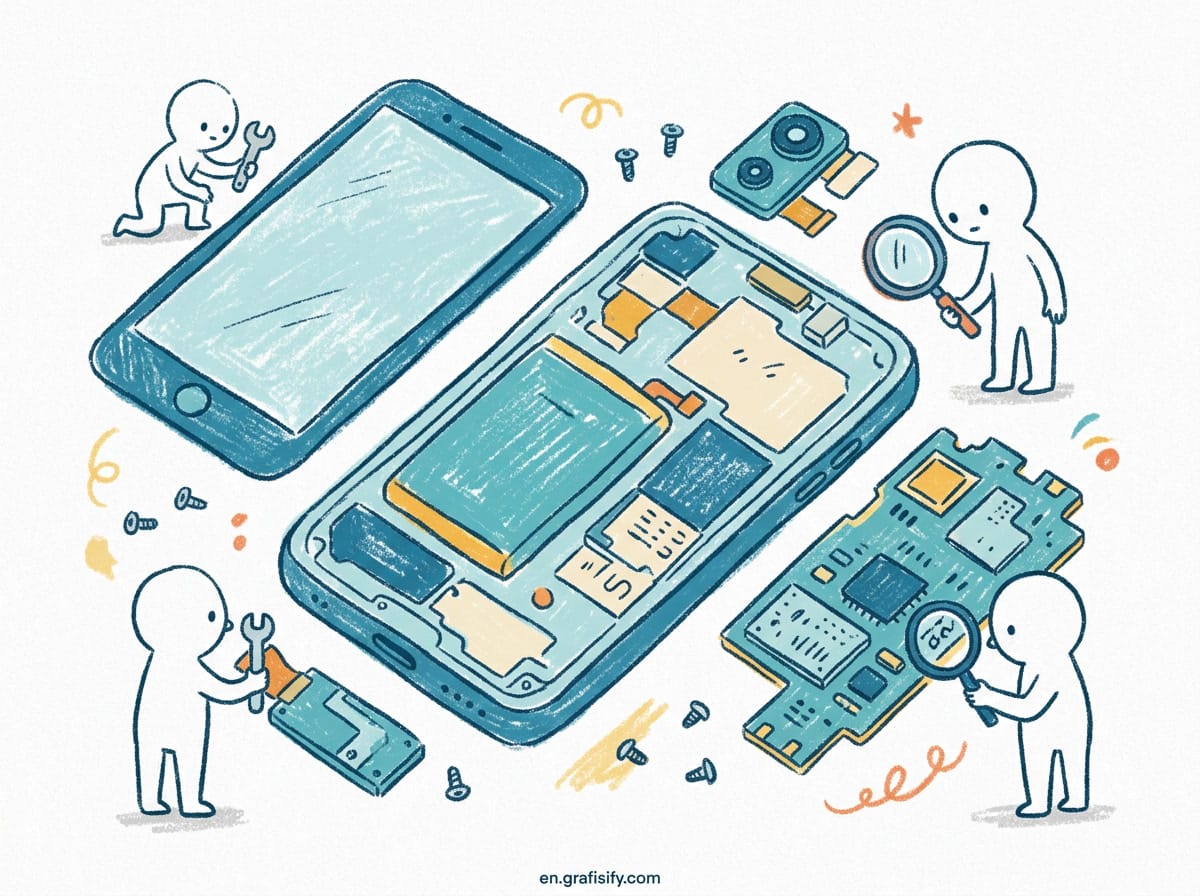
Grafisify Editor’s Note: While Apple’s Titanium frame is lighter, Xiaomi’s weight balance is superior. It doesn’t feel top-heavy, even with that massive camera island.
Display & Audio Experience
The 6.9-inch C9 AMOLED panel is frankly ridiculous. With a peak brightness hitting **5,000 nits**, outdoor visibility is a non-issue. Watching HDR content on Netflix is an immersive experience that rivals high-end OLED TVs.
The 144Hz refresh rate makes the UI feel incredibly snappy. Whether you are doom-scrolling on Twitter or navigating complex menus, the Xiaomi 17 Pro Max feels faster than the iPhone’s 120Hz ProMotion, simply because the animations are tuned for speed rather than fluidity.

Performance & Gaming Test
Under the hood lies the Snapdragon 8 Elite. In our Geekbench 7 tests, it trades blows with the A19 Pro. But raw numbers are boring—how does it game?
Real World Gaming:
We threw Genshin Impact and Zenless Zone Zero at max settings. The result? A locked 60 FPS (and even 120 FPS in supported modes) with zero thermal throttling for the first 45 minutes. The vapor chamber cooling system here is arguably the best in the industry right now.
Camera Capabilities: The Leica Magic
This is why you are reading this Xiaomi 17 Pro Max review. The partnership with Leica continues to mature, offering a “color science” that feels photographic rather than digital.
Main Camera (Daylight)
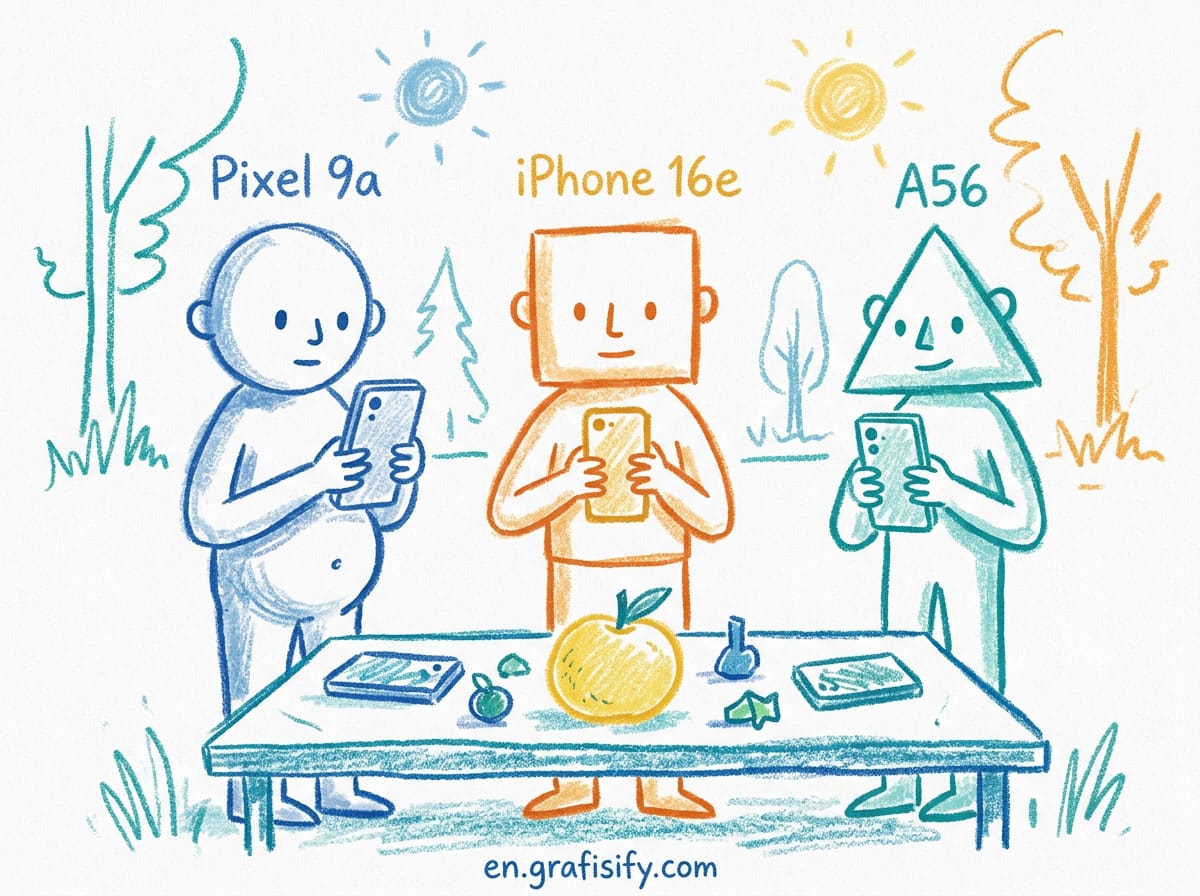
The 1-inch sensor captures an insane amount of natural bokeh. You rarely need “Portrait Mode” because the natural depth of field is so strong. Colors pop without looking oversaturated (Leica Vivid) or look moody and artistic (Leica Authentic).
Zoom & Telephoto
The 5x optical periscope zoom is crisp, but the real star is the “Telemacro” capability. You can focus on dust particles from 10cm away using the zoom lens, creating stunning macro shots that the iPhone 17 Pro Max struggles to replicate.
Battery Life & Charging Speed
This is a massacre. Xiaomi’s use of Silicon-Carbon battery technology allows them to stuff a 6,100 mAh cell into a body the same size as the iPhone.
- Screen-on-Time: We averaged 9.5 hours of heavy use.
- Charging: The 120W HyperCharge fills this massive battery from 0% to 100% in just 19 minutes.
In the time it takes the iPhone 17 Pro Max to charge to 30%, the Xiaomi is fully charged and ready for another day.
Software: HyperOS 2.0
HyperOS has cleaned up its act. The bloatware is reduced (though not gone), and the interconnectivity with Xiaomi’s EV and tablet ecosystem is impressive. However, iOS 19 still holds the crown for polish and bug-free operation.
Pros & Cons
✅ The Good
- Insane Charging: 120W is life-changing.
- Camera Versatility: The best variable aperture and macro combo.
- Battery King: 6,100 mAh lasts nearly two days.
- Display: Brighter and punchier than the iPhone.
❌ The Bad
- Bloatware: Still comes with pre-installed junk apps.
- Video: iPhone 17 Pro Max still wins in video stabilization.
- Resale Value: Drops faster than Apple devices.
Alternatives & Competitors
If the Xiaomi 17 Pro Max is too big or the software isn’t for you, consider these rivals:
- iPhone 17 Pro Max: Better video, superior ecosystem, and higher resale value.
- Samsung Galaxy S26 Ultra: If you need the S-Pen and prefer OneUI.
FAQ: Frequently Asked Questions
Does the Xiaomi 17 Pro Max support wireless charging?
Yes, it supports blazing-fast 80W wireless charging, provided you use the proprietary Xiaomi charging stand.
Is the Xiaomi 17 Pro Max waterproof?
Absolutely. It comes with an IP68 rating, meaning it can withstand submersion in fresh water up to 1.5 meters for 30 minutes.
Does it come with Google Play Services?
The global version reviewed here comes with Google Play Services pre-installed and works perfectly with Android Auto and Google Wallet.
Conclusion: Buy or Skip?
The Xiaomi 17 Pro Max is a triumph of hardware engineering. It beats the iPhone 17 Pro Max in charging, battery life, and photographic stillness. If you are an enthusiast who wants the absolute cutting edge of technology, this is a Must Buy.
However, if you shoot a lot of ProRes video or are deep in the Apple ecosystem, the iPhone remains the safer choice. But for the first time in years, the “safe” choice feels a bit boring.
Tagged with:
Android FlagshipBest Camera Phone 2025Grafisify ReviewsHyperOSiPhone 17 Pro Max comparisonMobile TechSmartphone BattleSnapdragon 8 EliteXiaomi 17 Pro Max
Irfan is a Creative Tech Strategist and the founder of Grafisify. He spends his days testing the latest AI design tools and breaking down complex tech into actionable guides for creators. When he’s not writing, he’s experimenting with generative art or optimizing digital workflows.






 Artificial Intelligent
 Design & Creative
 Freelance
 Gadgets & Gear
 Insights
 Laptop
 Reviews
 Smartphone
 Tech Guides
 Vibe Coding