The One-Person Unicorn is Coming: How ‘Vibe Coding’ Just Changed the Venture Capital Game Forever

There was a time, not so long ago, when the idea of a billion-dollar valuation attached to a solitary founder seemed ludicrous. It was the stuff of Silicon Valley folklore—technically possible in a fever dream, but practically impossible in a landscape that demanded Chief Technology Officers, armies of backend engineers, and burn rates that would make a frantic CFO weep.
That era is officially over. We are witnessing the death of the “Minimum Viable Team” and the birth of the “Maximum Viable Individual.”
Sam Altman, the CEO of OpenAI, famously predicted that we would soon see the world’s first one-person unicorn. At the time, skeptics waved it off as typical tech-optimist hyperbole. But looking at the current trajectory of software development, specifically the emergence of a phenomenon known as “Vibe Coding,” Altman’s prediction doesn’t just look plausible—it looks inevitable. And it is fundamentally rewriting the economics of how startups are built, funded, and scaled in the United States.
The Death of Syntax and the Rise of “Vibe Coding”
To understand why the economics are shifting, you have to understand the mechanism driving it. Enter “Vibe Coding.” While the term might sound like Gen Z slang born on tech Twitter (and partially, it is), it represents a profound shift in the abstraction layer of computer programming.
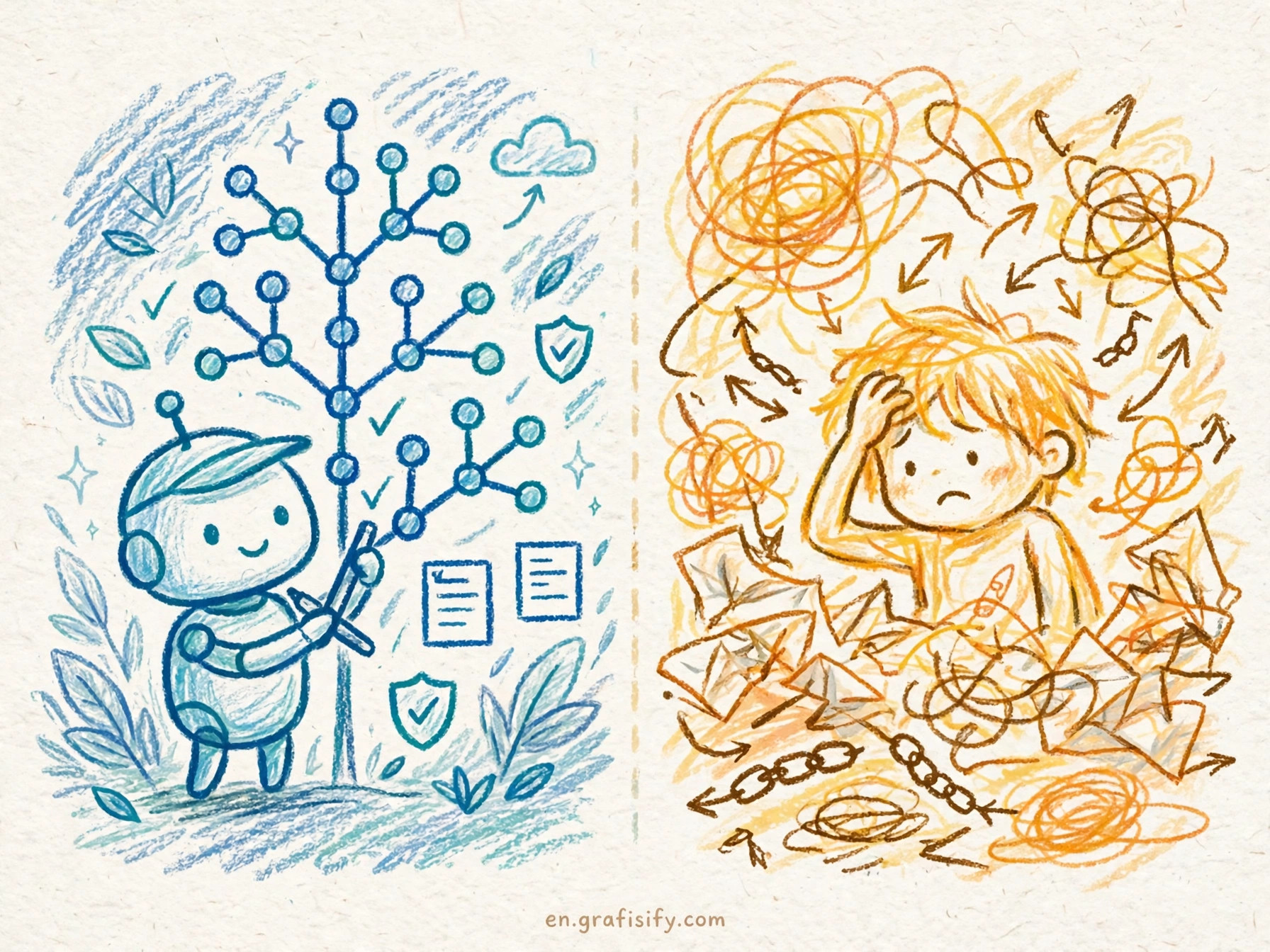
For decades, the barrier to entry for building a scalable tech product was syntax. If you didn’t know Python, JavaScript, Rust, or Go, you were merely an “idea guy”—the most mocked demographic in the Bay Area. You needed a technical co-founder. You needed to give away 50% of your equity just to get a prototype off the ground.
“Vibe Coding is the realization that natural language is the new master programming language. It shifts the role of the human from ‘writer of code’ to ‘manager of intent.’ You aren’t debugging syntax; you are curating the vibe, the flow, and the outcome of the software.”
This isn’t just about GitHub Copilot autocompleting a function. We are talking about deep integration environments like Cursor, Replit, and upcoming agentic workflows where a founder simply describes the functionality in plain English, and the AI handles the implementation, the error handling, and the deployment.
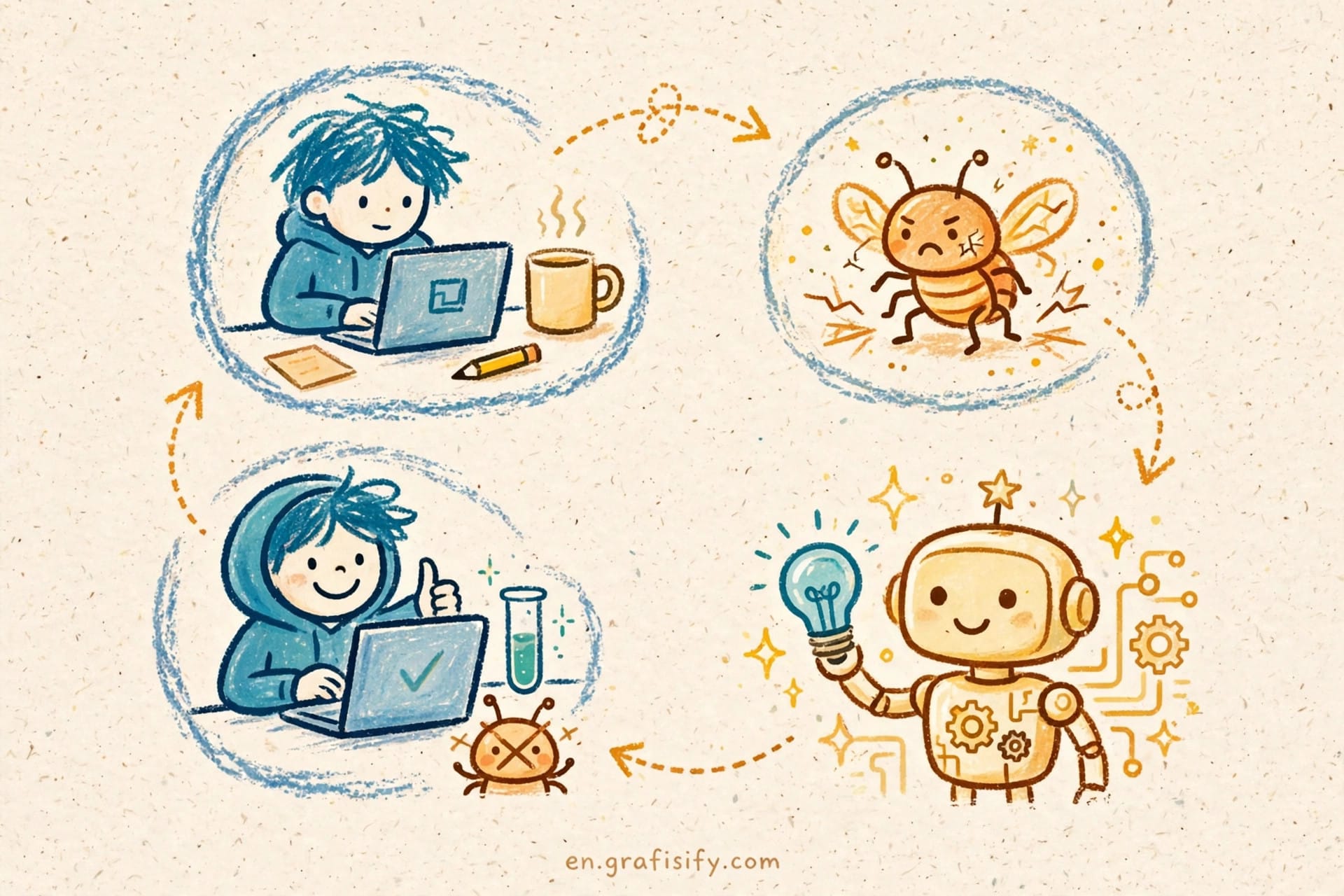
Andrej Karpathy, a founding member of OpenAI and former Director of AI at Tesla, has notably discussed how he writes code now—mostly by managing the AI’s output rather than typing characters himself. When the world’s best engineers are essentially becoming “managers” of AI agents, the gap between a non-technical domain expert and a senior engineer begins to narrow aggressively.
The Economics of Zero Marginal Creation
Here is where the rubber meets the road for VCs and Solopreneurs. The traditional startup math is breaking.
Historically, a Seed Round of $2 million to $4 million was raised primarily to hire headcount. You needed a frontend dev, a backend dev, a designer, and a product manager. That meant a high burn rate immediately after the wire transfer hit the bank. The clock started ticking the moment you signed the term sheet.

The New P&L Sheet
In the Vibe Coding era, that P&L looks radically different. A single founder, armed with agentic coding tools, can now replicate the output of that initial five-person team. This leads to three distinct economic shifts:
- Extended Runway: Without a $800k/year payroll burden for an engineering team, a modest pre-seed round lasts three times as long, allowing for more iteration and finding true Product-Market Fit (PMF) before running out of cash.
- Equity Retention: Founders no longer need to dilute themselves early on to attract technical talent. The “technical co-founder” is becoming a software subscription, not a person demanding 15% equity.
- Pivot Velocity: In traditional dev environments, pivoting is expensive. You have to scrap code that humans spent weeks writing (and got emotionally attached to). With AI-generated code, the “sunk cost fallacy” evaporates. If a feature doesn’t work, you scrap it. It cost you dollars and minutes, not weeks and morale.
The “Full-Stack” Myth vs. The “Product Engineer”
We are seeing a rebranding of what it means to be a developer. The industry is moving away from the specialized silos of “Frontend” and “Backend” and toward the Product Engineer.
In the past, a “Full Stack Developer” was a mythical creature who claimed to know everything from database architecture to CSS centering, but usually excelled at one and tolerated the other. Today, an AI-augmented founder is genuinely Full Stack because the AI handles the granularity of the stack layers.

This allows the founder to focus entirely on the product—the user experience, the business logic, and the value proposition. The “Vibe Coder” doesn’t care about the intricacies of React hooks or SQL joins; they care about whether the button clicks and the data saves. The abstraction layer has moved up.
The VC Dilemma: Funding the Individual
This shift is causing a quiet identity crisis on Sand Hill Road. Venture Capital is structured around the idea of team building. The standard due diligence checklist asks: “Is this team complete? Can they execute?”
But what happens when the answer to “Who is your VP of Engineering?” is “Claude 3.5 Sonnet”?
We are beginning to see the emergence of micro-funds specifically targeting these “Indie Unicorns.” These funds understand that they aren’t funding a headcount expansion; they are funding distribution. In a world where building the product is becoming commoditized (thanks to Vibe Coding), the competitive advantage shifts entirely to distribution, brand, and community.
“The constraint on software creation has flipped. It used to be engineering capacity. Now, it is strictly imagination and distribution. If you can imagine it, you can build it. The question is, can you sell it?”
The Dark Side of the Moon: Technical Debt and Hallucinations
It would be journalistic malpractice to suggest this is a seamless transition without pitfalls. The “One-Person Unicorn” faces significant risks that a traditional team mitigates through peer review.
The Maintenance Trap
Vibe Coding is excellent for greenfield projects—starting from scratch. It is significantly harder when maintaining a legacy codebase consisting of 500,000 lines of AI-generated code. If the founder doesn’t understand the underlying logic (because they vibed it into existence rather than wrote it), debugging a critical failure becomes a nightmare scenario.
Security Vulnerabilities
AI models are trained on the entirety of the internet, including bad code. An AI might implement a solution that works functionally but introduces a massive security vulnerability that a senior human engineer would have caught in code review. The one-person founder has no one to check their blind spots.
Future Outlook: The Age of the Super-Generalist
So, where does this leave us? Are software engineers obsolete? Absolutely not. But the definition of the job is expanding vertically.
The engineers who survive and thrive in this new economy won’t just be ticket-takers moving items from “To Do” to “Done” in Jira. They will be architects. The One-Person Unicorn won’t be a non-technical person who got lucky; it will likely be a Super-Generalist—someone with enough technical literacy to guide the AI, enough product sense to build what users want, and enough business acumen to sell it.
Sam Altman’s prediction is no longer a “what if.” The tools are here. The economics make sense. The gatekeepers of code have been bypassed. The next Instagram or WhatsApp won’t be built by a team of twelve in a garage. It will be built by one person, in a coffee shop, coding on pure vibe.
The only question remaining for the aspiring founders reading this is: If the barrier to entry is gone, what is your excuse now?
Tagged with:
AI DevelopmentAndrej KarpathyFuture of WorkNo-CodeSam AltmanSolopreneurStartup Economicstech trendsVenture Capitalvibe coding
Irfan is a Creative Tech Strategist and the founder of Grafisify. He spends his days testing the latest AI design tools and breaking down complex tech into actionable guides for creators. When he’s not writing, he’s experimenting with generative art or optimizing digital workflows.




 Artificial Intelligent
 Design & Creative
 Freelance
 Gadgets & Gear
 Insights
 Laptop
 Reviews
 Smartphone
 Tech Guides
 Vibe Coding