How Long Do Smartphone OS Updates Last: Android vs iPhone Support Explained
How Long Do Smartphone OS Updates Last: Android vs iPhone Support Explained
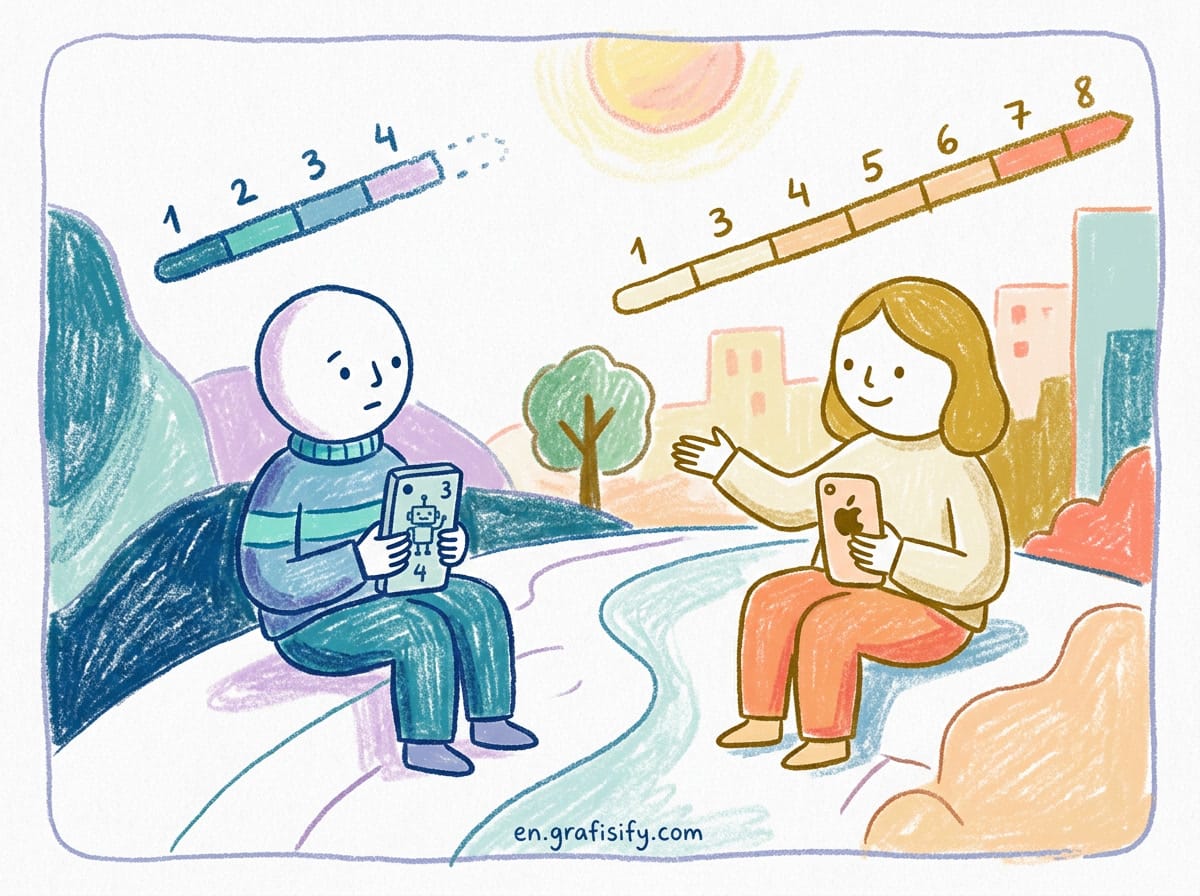
Your phone stops feeling new the moment the company stops pushing updates. One day the security patches slow down, then stop entirely. Apps start dropping support. You are left holding a device that still works but no longer gets protected. This is the single most important spec most buyers never check.
Operating system support decides how long your phone stays safe, fast, and app-compatible. It matters more than camera megapixels or charging speed. Yet most people discover their update policy only after the updates end. This guide compares Android and iPhone update support in detail, covering how many years each platform offers, what the rollout actually feels like, and how to choose a phone that will age well.
Why OS Update Support Matters More Than Hardware
Hardware specs are set the day you buy. Updates are the one thing that keeps getting better after that date. A phone with modest specs can feel great for years if it keeps receiving optimizations. A powerful phone can feel obsolete and insecure once updates stop.
The real risk is security. Mobile malware rarely targets a phone’s processor. It exploits outdated software. When a manufacturer stops patching vulnerabilities, every day is a roll of the dice. Bank apps, email clients, and payment tools all depend on an updated operating system underneath.

App compatibility lands second. Developers target the latest OS versions. After a couple of years, many apps require a minimum version that your phone no longer meets. You cannot install the app at all, or it runs with broken features. Updates are the thread that keeps the whole experience together.
How Long Do iPhones Get Updates
Apple’s support is remarkably consistent. A new iPhone typically receives five to seven years of iOS updates, including both major versions and security patches. Older models supported by Apple get patches even when they do not receive the newest iOS release.
The iPhone 6s, released in 2015, received updates through 2022, a span of about seven years. Apple tends to support its flagship models longer than its older budget options. But even entry-level iPhones hold their own against most Android flagships in raw longevity.
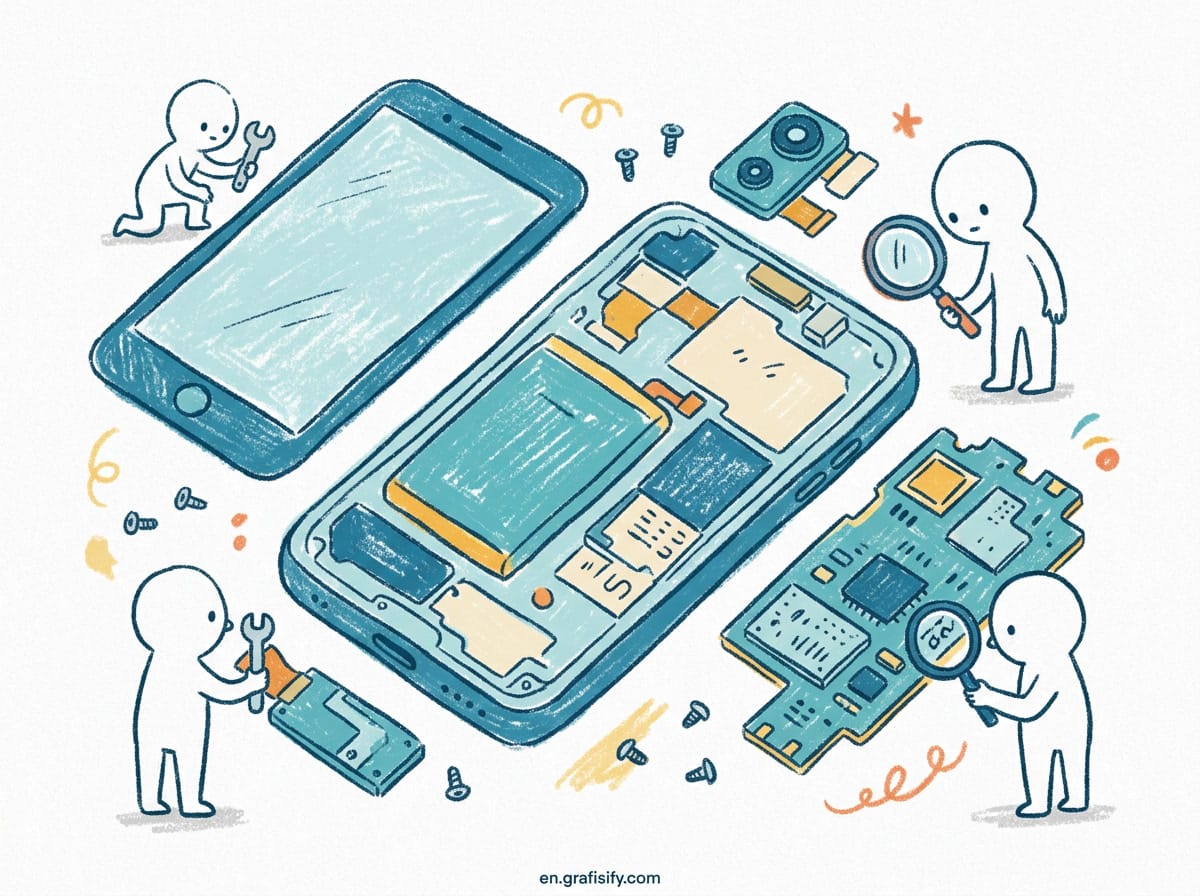
Part of the advantage is control. Apple makes the hardware, the operating system, and the silicon. It can support a device for a long time because it does not need to coordinate with chip vendors or carriers. One team decides the schedule and pushes the update to every supported device on launch day.
How Long Do Android Phones Get Updates
Android support is fragmented because the platform spreads across hundreds of manufacturers, each with its own policy. The average Android phone receives major OS updates for about three years and security patches for about four. But flagship policies have shifted dramatically upward.
Google started the trend by promising seven years of OS updates and security patches for the Pixel 8 series and newer Pixels. Samsung quickly matched with a seven-year update policy for its flagship S and Z series phones starting with the Galaxy S24. These two companies now set the top tier of Android support.

Budget and midrange Android phones still trail. Many receive two OS updates and three years of security patches. Some budget devices get one update, if that. The brand matters enormously, so read the support commitment before you buy rather than after.
Apple vs Google and Samsung: Side by Side
| Device | Major OS Updates | Security Patches | Update Timing |
|---|---|---|---|
| Recent iPhone | 5 to 7 years | Roughly equal to OS support | Same day across all models |
| Google Pixel 8 and newer | 7 years | 7 years | Same day, Google pushes directly |
| Samsung Galaxy S24 and newer flagships | 7 years | 7 years | Rolls out over weeks, carrier dependent |
| Typical midrange Android | 2 to 3 years | 3 to 4 years | Inconsistent, often delayed |
| Budget Android | 1 to 2 years | 2 to 3 years | Slow and unpredictable |
The numbers tell a clear story. Flagship iPhones, Pixel, and Samsung Galaxy phones now sit in roughly the same league for update length. The gap that used to separate the platforms has mostly closed at the high end. The big divide now runs between flagship and budget devices, not between Apple and Google.
The Rollout Experience: Same Day vs Staged Updates
Length is only half the story. The rollout experience differs as much as the number of years.
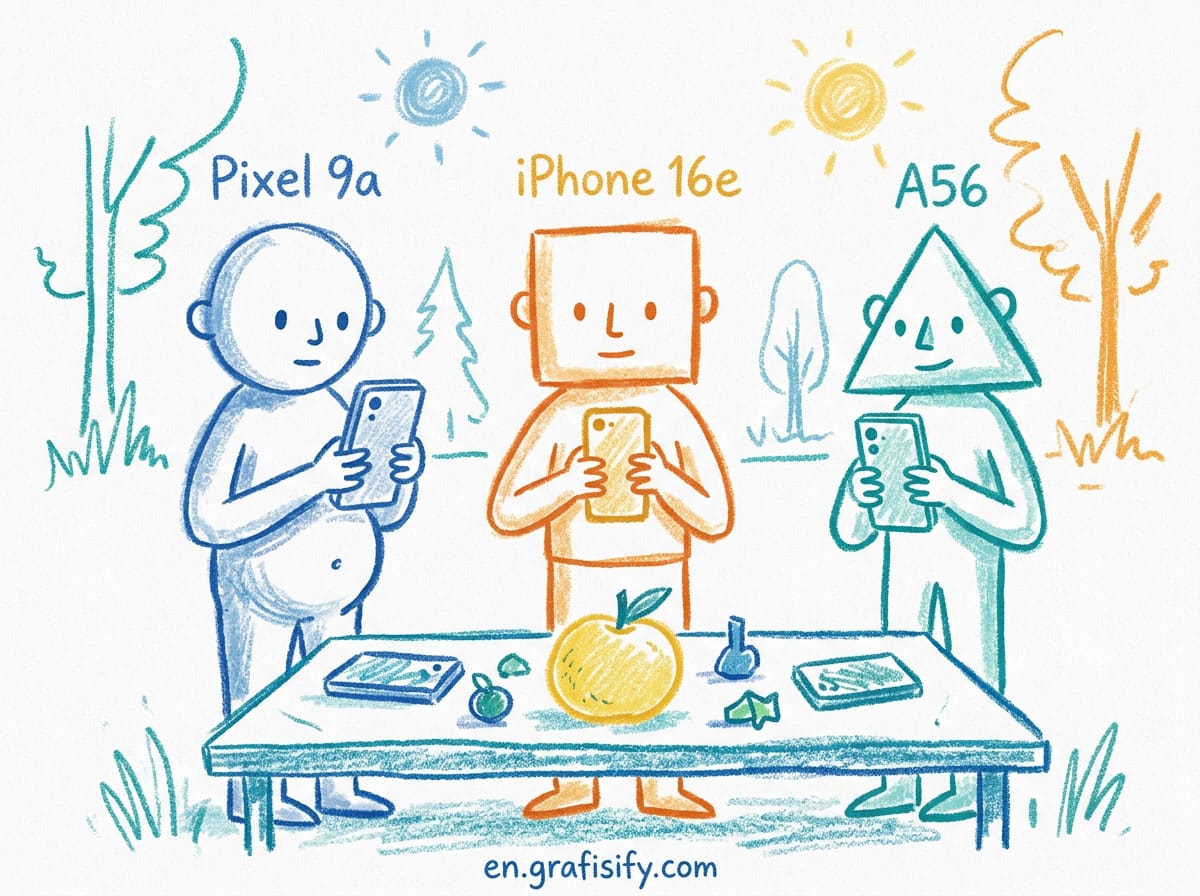
Apple pushes every update to every supported iPhone on the same day, worldwide. When iOS launches, you open Settings, tap update, and it installs. No carriers, no manufacturer customization layers, no waiting for regional approval. This predictability is a real strength and a reason many users appreciate the platform despite its higher price.
Android is more chaotic. Google announces a new version, then Pixel users get it immediately. Samsung, Xiaomi, OnePlus, and other brands add their own skins and features, which takes time. Each carrier then validates the build, adding more delay. A Samsung phone on one carrier may get the update a month before an identical phone on another carrier.
The result is that Android users wait weeks, sometimes months, for updates that their hardware could have handled on day one. This is not a processing power issue. It is a coordination problem across a fragmented ecosystem.
Security Patch Cadence and Long Term Care
Beyond major version updates, phones receive monthly or quarterly security patches. These matter for day to day safety and for fixing bugs that ship with big releases.
Apple’s patches reach all users quickly and address known exploits. iPhones also benefit from strict app review, which keeps some malicious software out of the App Store in the first place.
Android’s security updates vary by manufacturer. Google and Samsung flagship phones get monthly patches reliably. Many midrange devices drop to quarterly patches, and budget devices sometimes lag months behind. The risk grows the longer a patch gap stretches.
Android patches also depend on the Android Security Bulletin, a public monthly list that any manufacturer can access. This transparency helps security researchers but does not force every maker to ship the patch quickly.
How Update Support Affects Resale Value
Update policy shapes how much your phone is worth later. A phone with years of remaining support sells for more and stays usable longer for the next owner.
iPhones historically hold value well partly because Apple keeps supporting older models. Buyers know a three-year-old iPhone still gets updates, so they trust it as a used purchase.
The same logic now applies to Pixel and Samsung flagships with seven-year promises. A two-year-old flagship with five years of support left is a safer used buy than a budget phone with one year left. Resale confidence follows documented support, not brand alone.
How to Choose a Phone That Ages Well
If long-term support is your priority, the buying decision narrows quickly.
Start by checking the manufacturer’s official update policy on its support page. Look for a commitment that names the number of years of both OS updates and security patches. Prefer brands that put a specific number in writing over those that stay vague.
For Android, prioritize Google Pixel, Samsung flagships, and other models with confirmed seven-year commitments. Avoid budget devices unless you plan to replace them within two years. For the latest iPhones, you are generally safe for five to seven years regardless of which model you pick.
Buy at launch or early in a device’s life, not late. A phone released two years ago now spends its remaining support budget faster. The clock starts at release, not at your purchase date, so a deep discount on an older model may not be a bargain once you count the years of support you lose.
Key Takeaways
- Flagship iPhones, Pixel, and Samsung Galaxy phones all offer five to seven years of updates. The old support gap between platforms is mostly gone at the top.
- Midrange and budget Android phones still trail badly, often getting two to three years. Read the policy before you buy, not after.
- Apple updates every iPhone on the same day. Android rolls out updates brand by brand and even carrier by carrier, adding delays.
- Security patches matter more than major version updates. A phone that stops getting patches becomes a security risk.
- Long update support raises resale value, so it pays to choose a device with a documented multi-year commitment.
Frequently Asked Questions
Does Apple support iPhones longer than Android phones
Yes, on average. Apple provides five to seven years of updates across its iPhone lineup. Android averages about three years, though top flagships from Google and Samsung now match Apple’s length.
How many years of updates does a Samsung Galaxy flagship get
Samsung now promises seven years of major OS updates and seven years of security patches for flagship S and Z series phones starting with the Galaxy S24. Earlier models got less, so verify your specific device.
Which Android brand gives the longest updates
Google Pixel and Samsung flagship devices lead with seven-year commitments. Other brands like OnePlus and Xiaomi offer fewer years, so check each manufacturer’s policy.
Do security patches matter if I do not see an update prompt
Yes. Many phones apply security patches quietly. If you are not getting monthly patches, your phone is far more exposed to known exploits regardless of what you see on screen.
Can I keep using a phone after updates stop
You can, but it gets riskier. The phone stops receiving security fixes and apps gradually drop support. It works for basic calls and browsing but not for sensitive tasks like banking, so limit what you do on it.
Final Thoughts
OS update support is the quiet spec that decides how long your phone actually lasts. At the high end, Android and iPhone now compete evenly, with seven-year commitments from Apple, Google, and Samsung. Below that, the picture splits hard, and budget devices still leave buyers exposed within a few years.
The practical rule is simple. Check the update policy in writing before you buy, prioritize a documented multi-year commitment, and treat security patches as non-negotiable. A phone that keeps getting better beats a phone that was great on launch day and frozen forever after.
Choose the device whose software support matches how long you expect to keep it. That is the decision that protects your data, your apps, and your money over the real life of the phone.

Irfan is a Creative Tech Strategist and the founder of Grafisify. He spends his days testing the latest AI design tools and breaking down complex tech into actionable guides for creators. When he’s not writing, he’s experimenting with generative art or optimizing digital workflows.

 Artificial Intelligent
 Design & Creative
 Freelance
 Gadgets & Gear
 Insights
 Laptop
 Reviews
 Smartphone
 Tech Guides
 Vibe Coding