How to Build Your AI Design Stack as a Freelance Graphic Designer

Quick Verdict
If you are a freelance graphic designer in 2026, your AI design stack should include four core tools: Adobe Firefly for commercial-safe image generation, Midjourney for concept art and moodboards, Figma AI for UI and layout work, and ChatGPT for copy, naming, and creative briefs. This stack costs roughly $50 to $80 per month and covers at least 80 percent of the AI tasks a working freelancer faces. You do not need fifteen tools. You need the right four, used in the right order.
I have tested every major AI design tool released this year against real client deliverables: brand identity systems, social media templates, packaging mockups, and website layouts. The stack above wins on speed, commercial safety, and output quality for US-based freelancers. Below is the exact why and how.
What Is an AI Design Stack?
An AI design stack is the set of artificial intelligence tools a designer uses across their workflow from ideation to delivery. It is not about replacing your creative judgment. It is about removing the mechanical friction between having an idea and showing it to a client.
In 2026, the AI design tool landscape has matured past the novelty phase. According to Figma's State of the Designer 2026 report, 72 percent of designers now use generative AI in their workflows, and 91 percent say it improves the quality of their outputs. The tools have moved from "fun to try" to "essential to compete."
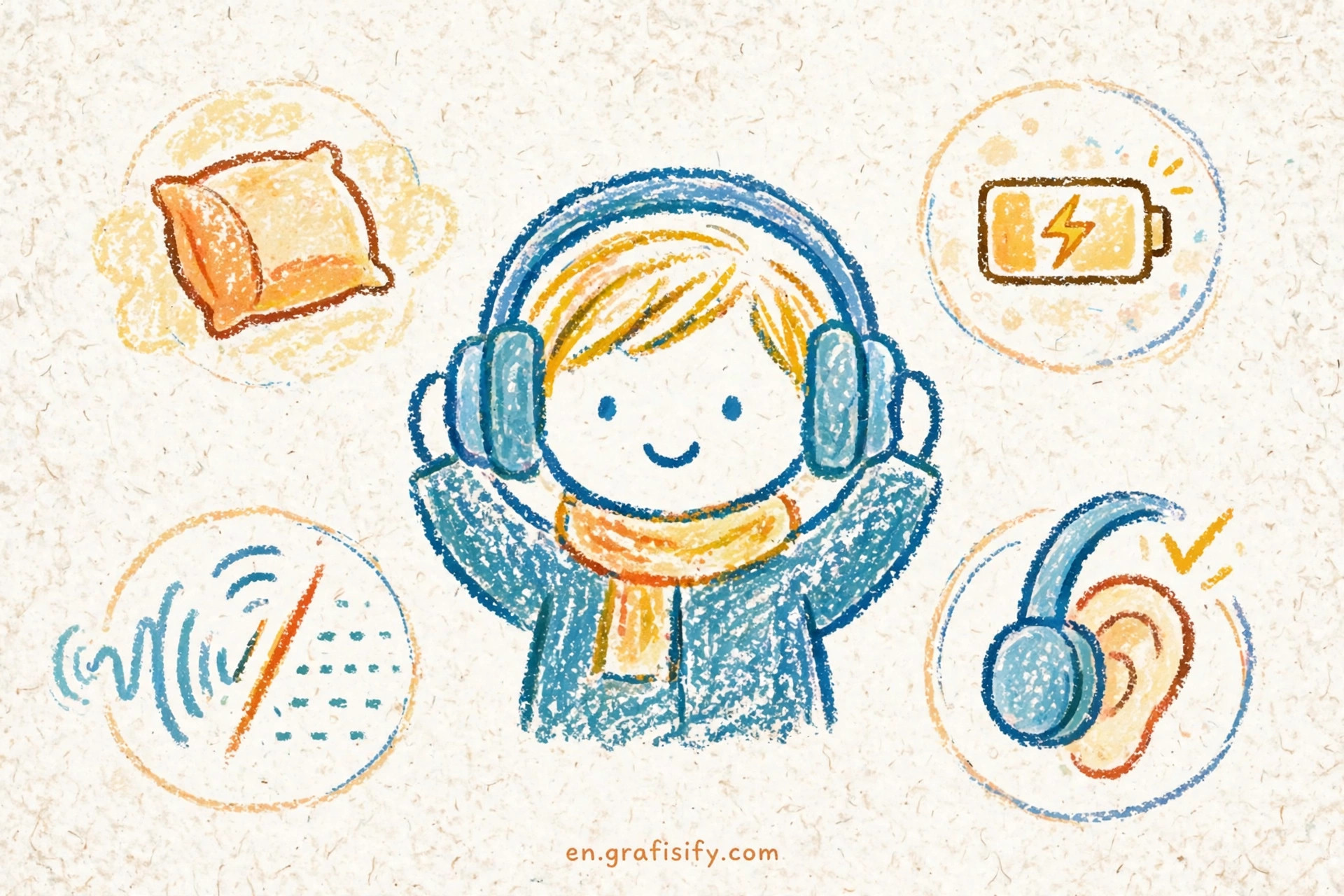
A good AI stack works in layers:
- Ideation layer: Tools that generate visual concepts and moodboards quickly.
- Production layer: Tools that create commercial-ready assets with clear licensing.
- Refinement layer: Tools that edit, resize, upscale, and polish existing work.
- Verbal layer: Tools that handle copy, naming, briefs, and client communication.
The mistake most freelancers make is picking one tool for everything. No single AI platform does all four layers well. The designers who win in 2026 are the ones who match the right tool to each stage of the workflow.
Deep Dive: The Four-Tool Stack, Tested Against Real Freelance Work
I ran each tool in this stack against the five most common deliverables a US freelance graphic designer produces: a brand identity package, a set of social media templates, a website layout, a product packaging concept, and a client pitch deck. Here is what each tool actually delivers.
Adobe Firefly (Production Layer)
Cost: Free tier available. Premium at $9.99/month or included with Creative Cloud.
Adobe Firefly is trained exclusively on licensed Adobe Stock and public domain content. This is the single most important fact for any freelancer doing client work in the US. If your client is a Fortune 500 company or a brand that cares about copyright, you cannot use models trained on scraped data. Firefly gives you legal cover.
The Image Model 5 release added layer-aware generation, meaning the output lands as editable layers rather than a flat PNG.
Best for: Commercial-safe imagery, photo composites, product shots, and any deliverable that needs to pass legal review.
Skip it when: You need highly stylized, artistic imagery. Firefly plays it safe. That is the point.
Midjourney (Ideation Layer)
Cost: $10/month (Standard plan with commercial rights).
Also Read:
Midjourney V8 Alpha, released in early 2026, remains the benchmark for aesthetic quality in AI-generated imagery. It produces cinematic, art-directed visuals that work beautifully for moodboards, concept exploration, and client presentations.
The key workflow insight: use Midjourney for the "what if" phase. When a client says they want "dark, premium, minimalist," you can generate eight directions in ten minutes instead of spending three hours sourcing references on Pinterest.
Best for: Moodboards, concept art, campaign visuals, and any project where aesthetics drive the decision.
Skip it when: You need commercial safety guarantees, editable vectors, or text inside images.
Figma AI (UI and Layout Layer)
Cost: $15/month per editor. AI features included with credits.
Figma AI in 2026 goes beyond auto-layout and layer renaming. The Figma agent (launched May 2026) lives inside your file and reads your design system. You can prompt it to create component variants, apply design tokens, or generate a full set of social media frames from a brief.
For freelancers who do web or product design, this is the tool that collapses the timeline from concept to file.
Best for: UI/UX design, design systems, component libraries, and any project that needs a living, editable file.
Skip it when: Your work is print-heavy or illustration-driven.
ChatGPT (Verbal Layer)
Cost: Free tier available. Plus at $20/month.
The most underrated AI tool for designers is not an image generator. ChatGPT handles the verbal half of design work that often takes as much time as the visual half. It drafts microcopy, UX strings, brand names, taglines, creative briefs, alt text, and even SVG code snippets.
In testing, ChatGPT-4o wrote a full brand voice guide, generated twenty logo name candidates with domain availability, and drafted alt text for an entire social media campaign in under four minutes.
Best for: Copy, naming, briefs, content strategy, and any text-related design task.
Skip it when: You need raw image generation.
Pros and Cons of the AI Design Stack Approach
Pros
- Time compression on the front end. Concept development that used to take a full day now takes two hours.
- Clear commercial safety. Adobe Firefly's licensed training data means you are not handing clients assets that could trigger a copyright claim.
- Lower software overhead. Four tools replace what used to be a fifteen-tool workflow.
- Client-facing polish. The combination of Midjourney concepts and Firefly production assets produces deliverables that look expensive.
Cons
- Monthly subscription creep. Four tools plus your existing software adds up to $80 to $120 per month.
- Over-reliance on generated output. If you skip the refinement step, your work starts to look like everyone else's.
- Learning curve per tool. Each platform has its own prompt syntax, credit system, and export behavior.
- No single source of truth. You need a system for moving assets between four separate tools.
How To Set Up Your AI Design Stack in One Afternoon
Step 1: Sign up for the right accounts
- ChatGPT Plus ($20/mo). Set this up first.
- Adobe Firefly (free tier to start). Sign in with your Adobe ID.
- Midjourney ($10/mo). The web app works independently.
- Figma AI ($15/mo, Professional plan required).
Total first-month cost: $45. Ongoing cost: roughly $60 to $70 per month.
Step 2: Define your workflow stages
- Stage 1 (Ideate): ChatGPT for the brief. Midjourney for visual exploration.
- Stage 2 (Produce): Adobe Firefly or Figma AI for the actual asset.
- Stage 3 (Refine): Manual polish in your primary design tool.
Do not skip Stage 3. The polish is where your personal style lives.
Step 3: Create prompt templates
Save reusable prompt templates. For Midjourney: [Subject] + [Style Reference] + [Mood or Lighting] + [Technical Spec] + [What to Avoid]. For ChatGPT, save common brief structures as custom GPTs.
Step 4: Set up a file naming system
Create a consistent folder structure: /Client_Name/ with subfolders for 01_Brief, 02_Concepts, 03_Production, 04_Delivery.
Step 5: Test the stack on a real project
Run your next client project through the full stack end to end. Solve friction points immediately with small workflow tweaks.
Final Thoughts
The AI design stack in 2026 is not about doing less work. It is about doing better work faster. The tools handle the repetitive, mechanical, and time-consuming parts of design so you can focus on the parts that actually require your taste, your judgment, and your relationship with the client.
The designers who will thrive are not the ones with the most tools. They are the ones who understand which problems each tool solves and when to step in and do the work themselves. AI is a multiplier for your existing skills. It does not replace the eye that knows when a composition feels right, or the instinct that tells you a brand direction is wrong before the client does.
Build the stack. Learn the tools. Then put them down and do the work that only you can do. That combination is what clients will keep paying for in 2026 and beyond.

Irfan is a Creative Tech Strategist and the founder of Grafisify. He spends his days testing the latest AI design tools and breaking down complex tech into actionable guides for creators. When he’s not writing, he’s experimenting with generative art or optimizing digital workflows.

 Artificial Intelligent
 Design & Creative
 Freelance
 Gadgets & Gear
 Insights
 Laptop
 Reviews
 Smartphone
 Tech Guides
 Vibe Coding