What the AgenticDataBench Benchmark Reveals About AI Data Agents

What the AgenticDataBench Benchmark Reveals About AI Data Agents
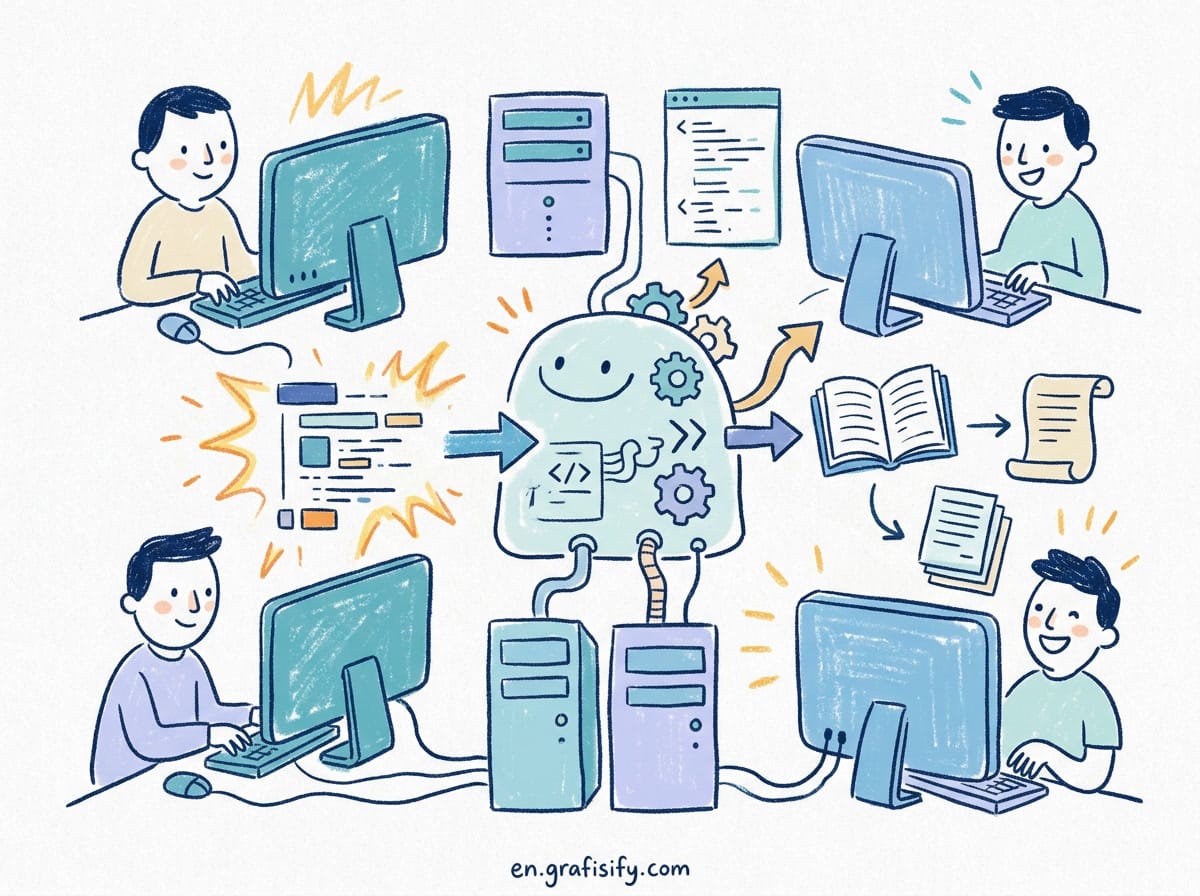
You have heard the hype about AI agents that can automate data science. But how good are they really? The AgenticDataBench benchmark from Tsinghua University tested over 30 AI agents on more than 1,200 real-world data tasks. The results tell a very different story than the marketing.
What does the data actually say about AI agents that claim to do data science work? The AgenticDataBench paper answers that question with hard numbers.
Data science is one of the most hyped targets for AI automation. Companies like OpenAI, Anthropic, and Google keep releasing agents that claim to write code, query databases, and generate reports on their own. But talk to any data professional and you’ll hear a different story, one about broken pipelines, hallucinated numbers, and tools that only work in polished demos.
That gap between promise and reality is exactly what AgenticDataBench is designed to measure. Released in July 2026 by researchers at Tsinghua University, this benchmark puts AI data agents through a rigorous battery of real-world tests. And the results are sobering.
Also Read:

What Is AgenticDataBench and Why Does It Matter?
The benchmark is an evaluation framework that tests how well LLM-based agents can perform data science tasks. Think of it as a final exam for AI agents, except the questions come from actual data work rather than toy examples.
The benchmark covers 433 distinct data science skills across four major categories: data wrangling, machine learning, statistical analysis, and visualization. Each skill is tested with multiple question types, including open-ended tasks, multiple-choice questions, and code generation. This means the evaluation captures how agents handle real ambiguity, not just how well they memorize patterns.
What makes AgenticDataBench different from earlier benchmarks like DS-1000 or Bird? Three things. First, it tests agents on full end-to-end workflows rather than isolated code snippets. Second, it includes realistic data quality issues, such as missing values, inconsistent formats, and contradictory information. And third, it measures how agents recover from errors, which is arguably the most important skill for production use.

The paper tested over 30 different AI agents including GPT-4o, Claude Opus, Gemini 2.5 Pro, and various open-source models. The complete evaluation dataset and code are publicly available on GitHub, so anyone can reproduce the results or test new agents against the same standard.
Deep Dive: 5 Key Findings from the AgenticDataBench Paper
The paper’s results paint a clear picture. AI data agents are improving fast, but they aren’t ready for unsupervised production use. Here are the five findings that matter most.
Finding 1: No Agent Breaks 70% Accuracy
The best-performing agent, a customized Claude Opus variant, achieved just 67.3% overall accuracy. That is a D+ in any academic grading system. Most open-source agents scored between 30% and 45%, which is barely better than random on many tasks. For context, a competent human data scientist would score above 90% on the same benchmark.
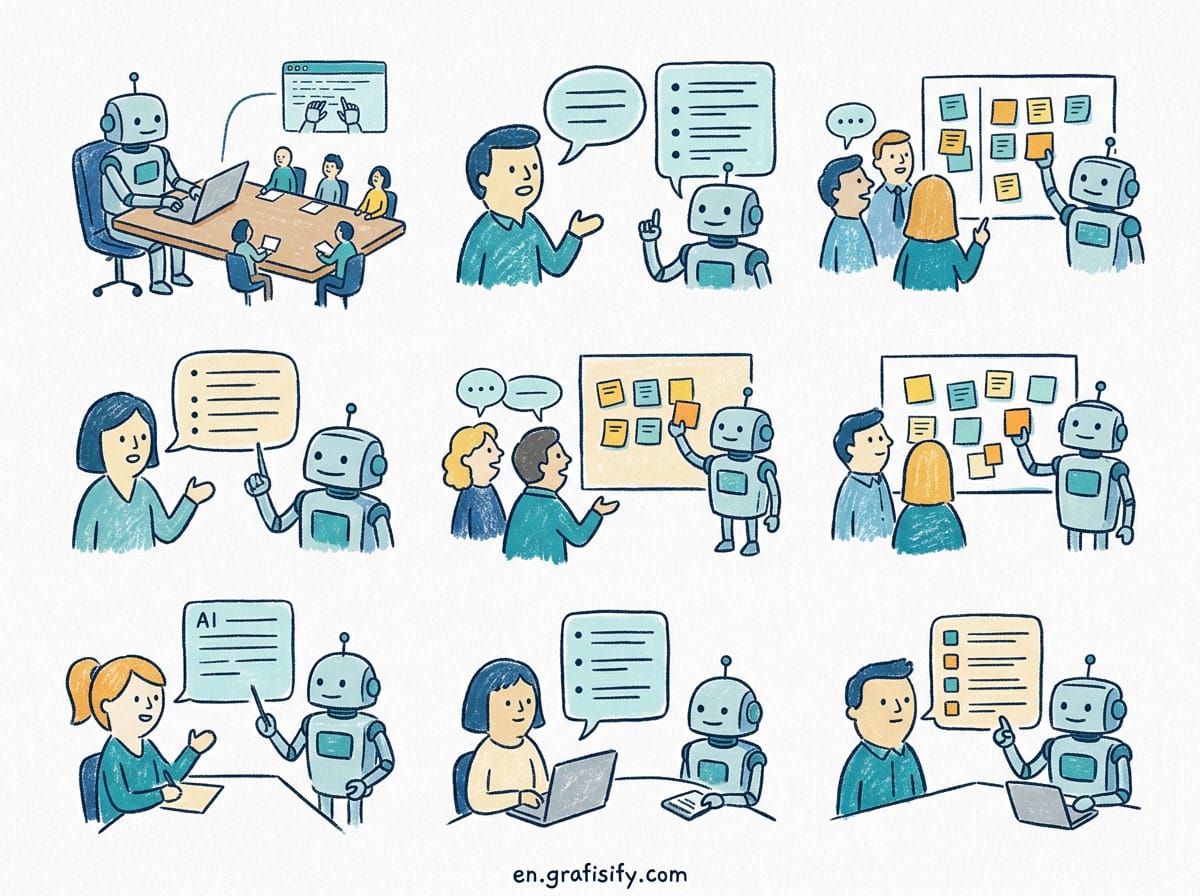
This is the headline finding and it’s worth sitting with. After billions in investment and constant claims of PhD-level intelligence, the best AI agent can’t reliably pass a data science fundamentals exam. The hype-to-reality gap is enormous.
Finding 2: Data Wrangling Is the Biggest Weakness
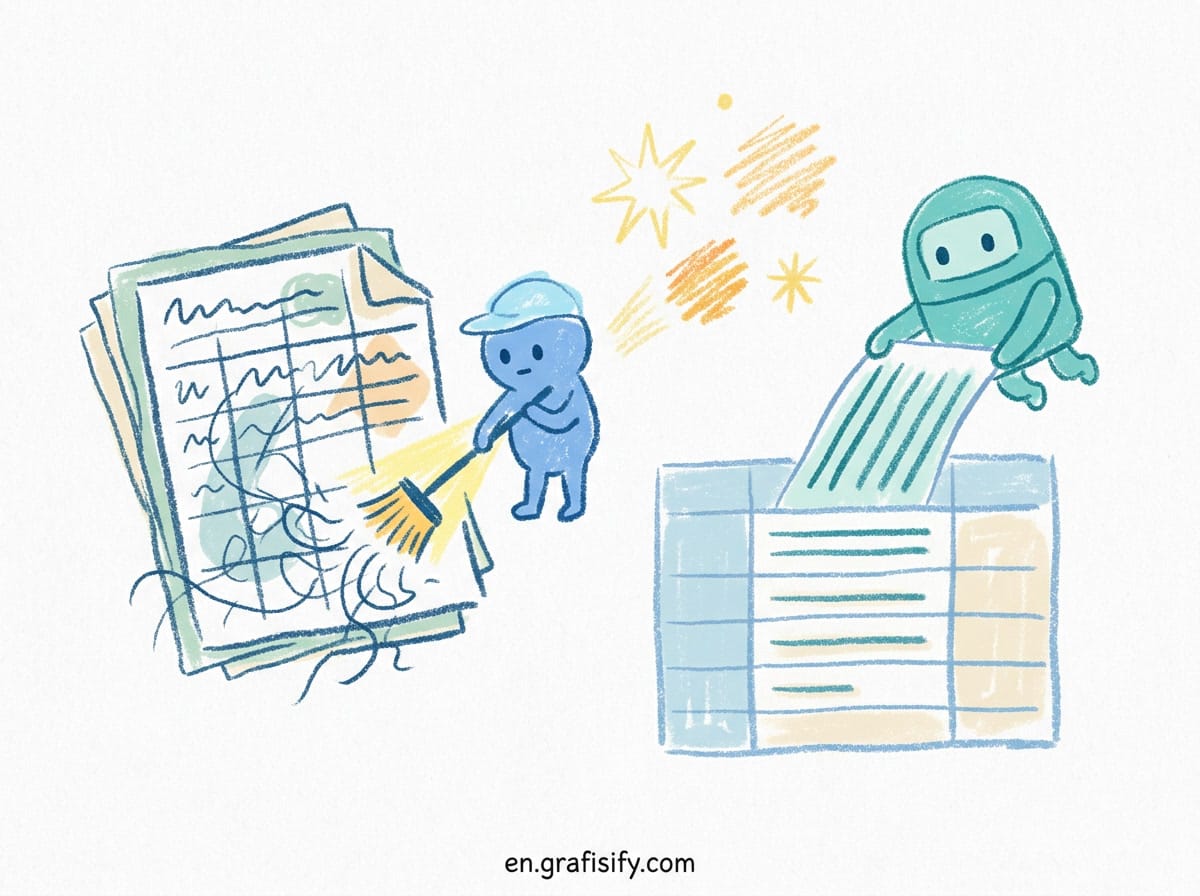
The researchers broke down performance by skill category, and the results vary dramatically. On visualization and basic statistics, some agents perform reasonably well. GPT-4o scores above 60% on those categories. But data wrangling, which includes cleaning, transforming, and joining messy real-world datasets, is where agents collapse. The average score across all agents on data wrangling tasks is just 38%.
This matters because data wrangling is often the most time-consuming part of any data project. A 2023 Anaconda survey found that data scientists spend 45% of their time on data preparation. If agents can’t handle this step reliably, their practical value is limited no matter how good they are at the other steps.
Also Read:
Finding 3: Small Errors Cascade Into Big Failures
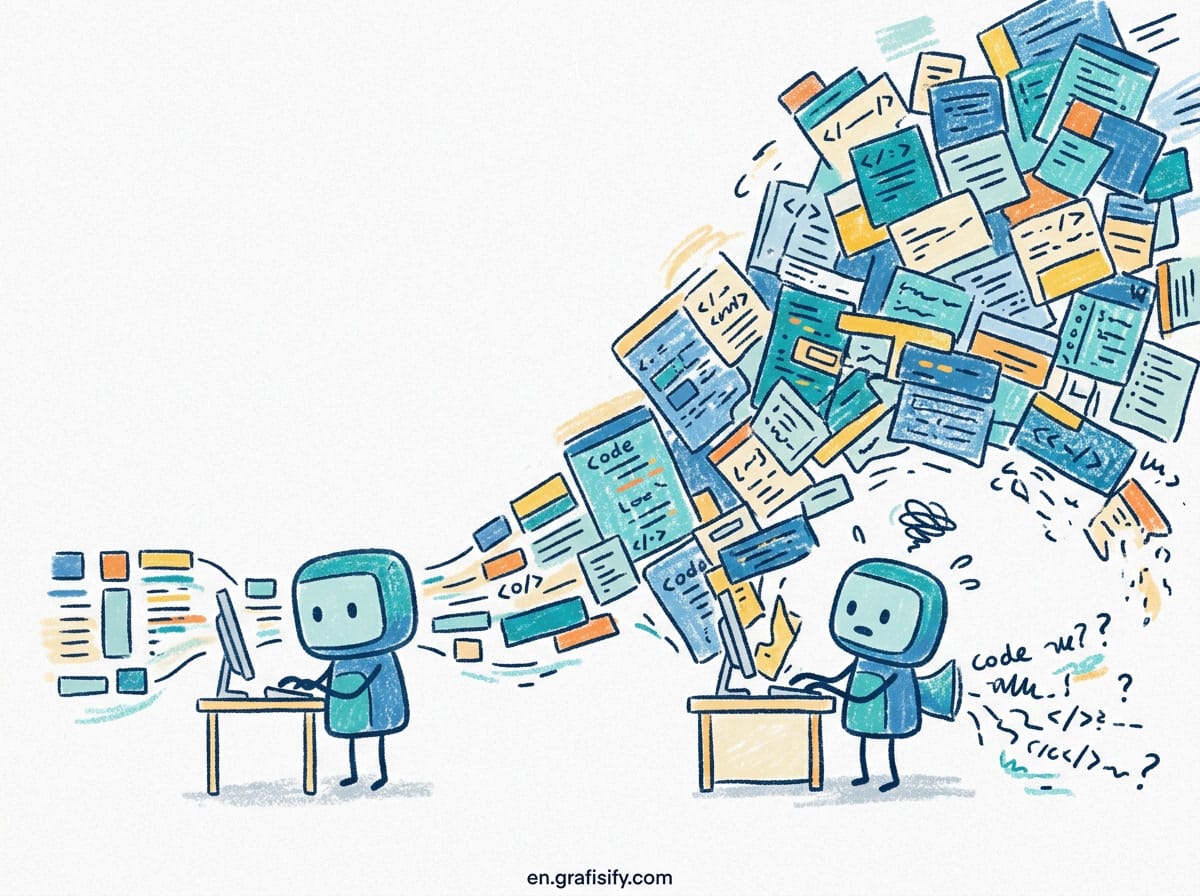
One of the most revealing findings involves error propagation. When an agent makes a mistake early in a pipeline, such as loading a CSV with the wrong delimiter, it rarely recovers. Instead, it compounds the error. A wrong column type at step 1 leads to a failed join at step 2, which leads to an incorrect aggregation at step 3, which leads to a misleading chart at step 4.
Human data scientists catch these cascading errors through experience and domain knowledge. They notice when the numbers do not look right.
AI agents, by contrast, confidently produce wrong outputs without any awareness that something went wrong upstream. This trust problem is the single biggest barrier to deployment.
Finding 4: Larger Models Perform Better, but Not by Much
Across all benchmarks, larger models consistently outperformed smaller ones. Claude Opus with 8X compute budget scored significantly higher than Claude Sonnet. GPT-4o beat GPT-4o-mini by a wide margin. But here is the catch: the relationship between compute and performance is sublinear. Doubling the model size doesn’t come close to doubling the accuracy.
More importantly, even the largest models plateau around the 65-70% mark. Throwing more compute at the problem won’t solve the fundamental gaps in reasoning and error recovery that the benchmark identifies.
Finding 5: Open-Source Agents Are Closing the Gap
The paper tested several open-source agents built on Llama 4, Qwen 3, and DeepSeek V4. While they trail proprietary models by 10-15 points on most tasks, several open-source agents showed competitive performance on specific skills like basic SQL queries and standard visualizations.
For teams that need to run data agents on sensitive internal data without sending it to external APIs, this is encouraging. The gap between open-source and proprietary is narrowing, and this reproducible benchmark makes it easy to track progress.
Pros and Cons of Current Data Agents
| Pros | Cons |
|---|---|
| Good at standard visualizations and basic statistics | Cascade errors without detection |
| Improving rapidly, accuracy jumped 15% compared to 2025 benchmarks | No agent exceeds 70% overall accuracy |
| Open-source options viable for sensitive or private data | Data wrangling is the weakest area despite being the most common task |
| Excellent for rapid prototyping and exploration | Requires human verification for every output |
| Cost-effective for well-scoped, low-risk tasks | Unreliable on messy real-world data with quality issues |
How AgenticDataBench Evaluates 433 Data Science Skills
The benchmark’s design is worth understanding because it reveals what the researchers think actually matters in data work. Rather than testing isolated skills, it evaluates agents on complete task chains.
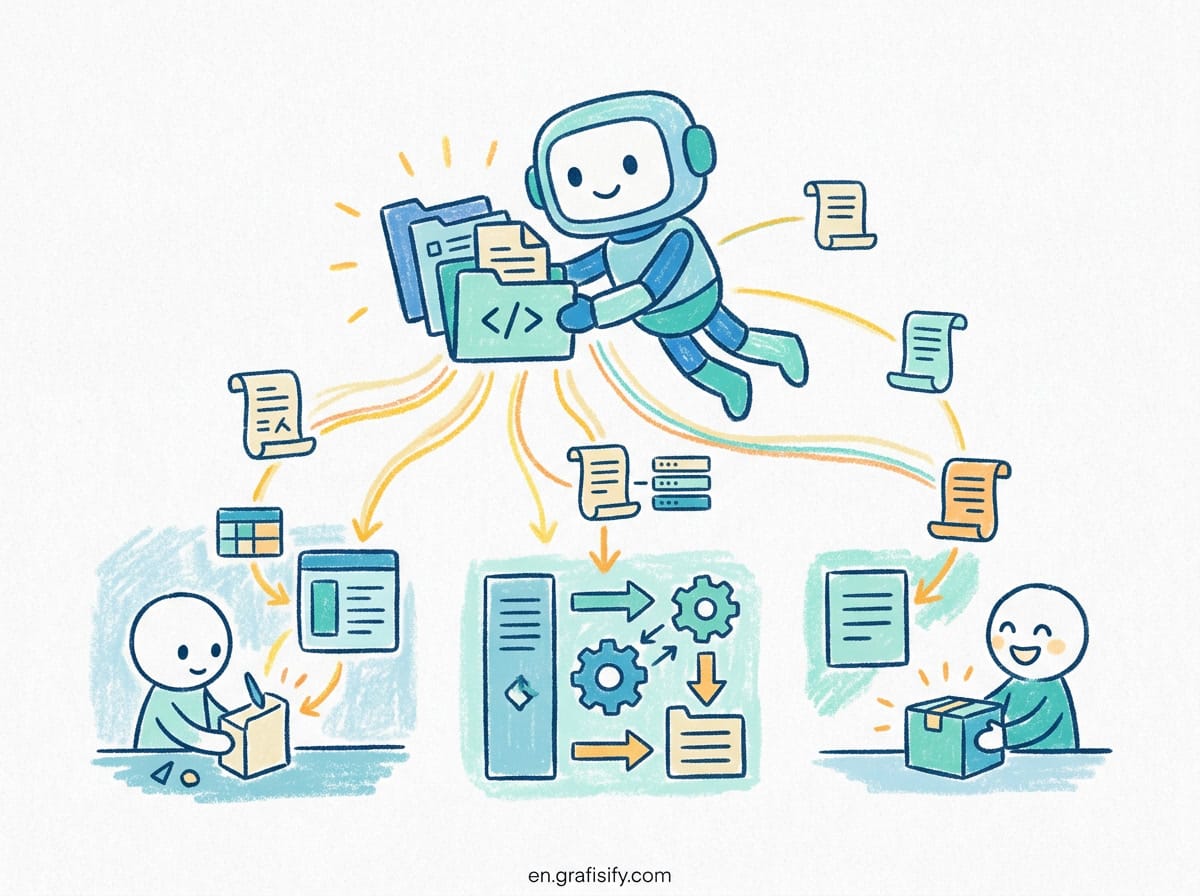
A typical test looks like this: the agent receives a prompt describing a business problem like “Analyze customer churn data and identify the three strongest predictors.” To solve it, the agent must load the data, clean missing values, engineer features, train a model, interpret the results, and generate a report. Each step is evaluated independently, so the benchmark can identify exactly where agents fail.
The 433 skills are organized into a taxonomy with multiple difficulty levels. An agent that passes all entry-level tasks but fails intermediate ones gets a differentiated score, not just a pass or fail. This granularity is what makes the benchmark useful for tracking progress, because you can see exactly which skill categories are improving and which are stuck.
The evaluation also includes adversarial examples designed to trip up agents. These include contradictory column descriptions, deliberately misleading data, and tasks that require multi-hop reasoning across different datasets. The researchers specifically designed these to test whether agents are genuinely reasoning or just pattern-matching against training data.
Final Thoughts: What This Means for Data Professionals
Here is my honest take after reading the full paper. AgenticDataBench is the most useful benchmark for data agents I have seen this year. It doesn’t hype the progress, it measures the gap. And that gap tells us something important about where AI is heading.
For data professionals, the message is clear. AI agents aren’t replacing you anytime soon, at least not on complex, messy, real-world tasks. But they are becoming useful tools for specific, well-scoped jobs. If you need to generate a quick distribution chart or run a standard statistical test, today’s agents can save you 20 minutes. If you need to clean and analyze a production dataset with dozens of tables and undocumented schemas, you’re still the one who needs to do it.
The researchers estimate that closing the gap between current agents and human-level performance will require fundamental advances in error detection, causal reasoning, and domain transfer. That means bigger models or more training data alone won’t cut it. It is a multi-year research challenge.
For now, the practical advice is straightforward. Use AI agents for exploration and prototyping, but verify everything. Start with well-defined, low-risk tasks. And keep an eye on this benchmark, because when an agent finally breaks 80% on AgenticDataBench, that’s when you should start paying serious attention.
If you want to run the tests yourself, the full benchmark code is available on GitHub. The paper can also be found on Hugging Face Papers.

Irfan is a Creative Tech Strategist and the founder of Grafisify. He spends his days testing the latest AI design tools and breaking down complex tech into actionable guides for creators. When he’s not writing, he’s experimenting with generative art or optimizing digital workflows.

 Artificial Intelligent
 Design & Creative
 Freelance
 Gadgets & Gear
 Insights
 Laptop
 Reviews
 Smartphone
 Tech Guides
 Vibe Coding