Agent Harness Behavior Localization, A Practical Guide (Harness Handbook, BGPD, Comparison)
Quick Verdict: The Harness Handbook is a new approach that maps agent harness behaviors to their exact code locations, making it dramatically faster to understand, audit, and modify complex AI agent systems. If you have ever spent hours tracing through thousands of files to find where a single agent behavior is implemented, this is the solution you need to know about.
Modern AI agents do not live by their foundation model alone. The harness; the code that constructs prompts, manages state, invokes tools, and coordinates execution; is equally important. And as agents evolve, their harnesses must be modified constantly. The problem? Finding where a specific behavior lives in the codebase is surprisingly hard.
That is where the Harness Handbook comes in. Developed by researchers at Tencent HY LLM Frontier and Indiana University, this is a behavior-centric representation that automatically maps every agent behavior to its corresponding source code. Think of it as a GPS for your agent codebase.
What Is Agent Harness Behavior Localization?
Behavior localization is the process of identifying all code locations that implement a specific agent behavior. When a developer or AI coding agent needs to change how an agent handles file permissions, for example, they need to find every line of code that controls that behavior; not just the obvious ones.
Also Read:

This is harder than it sounds. Production harnesses like Terminus-2 and Codex are large, tightly coupled, and behaviorally distributed. A single behavior might span multiple files, modules, and execution paths. Code search helps, but it still leaves the behavior-to-code mapping as manual work.
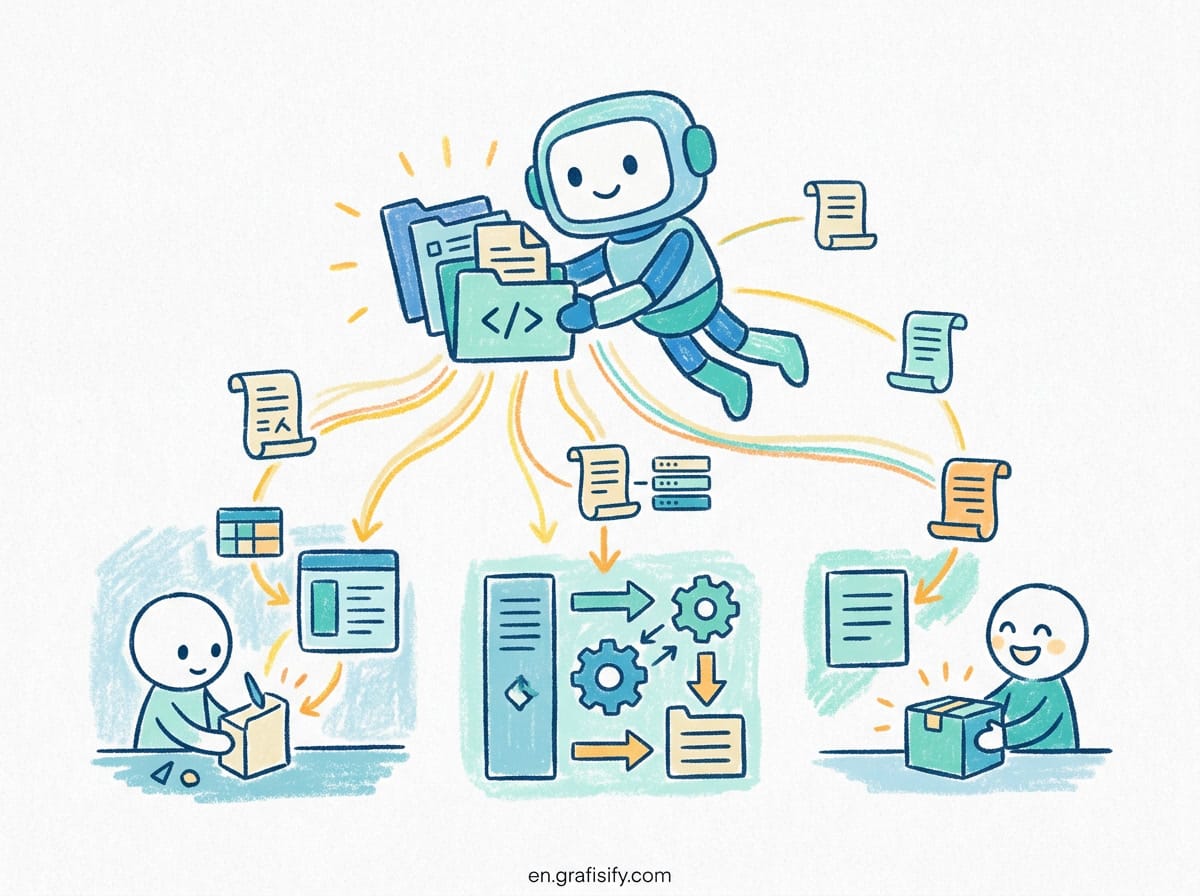
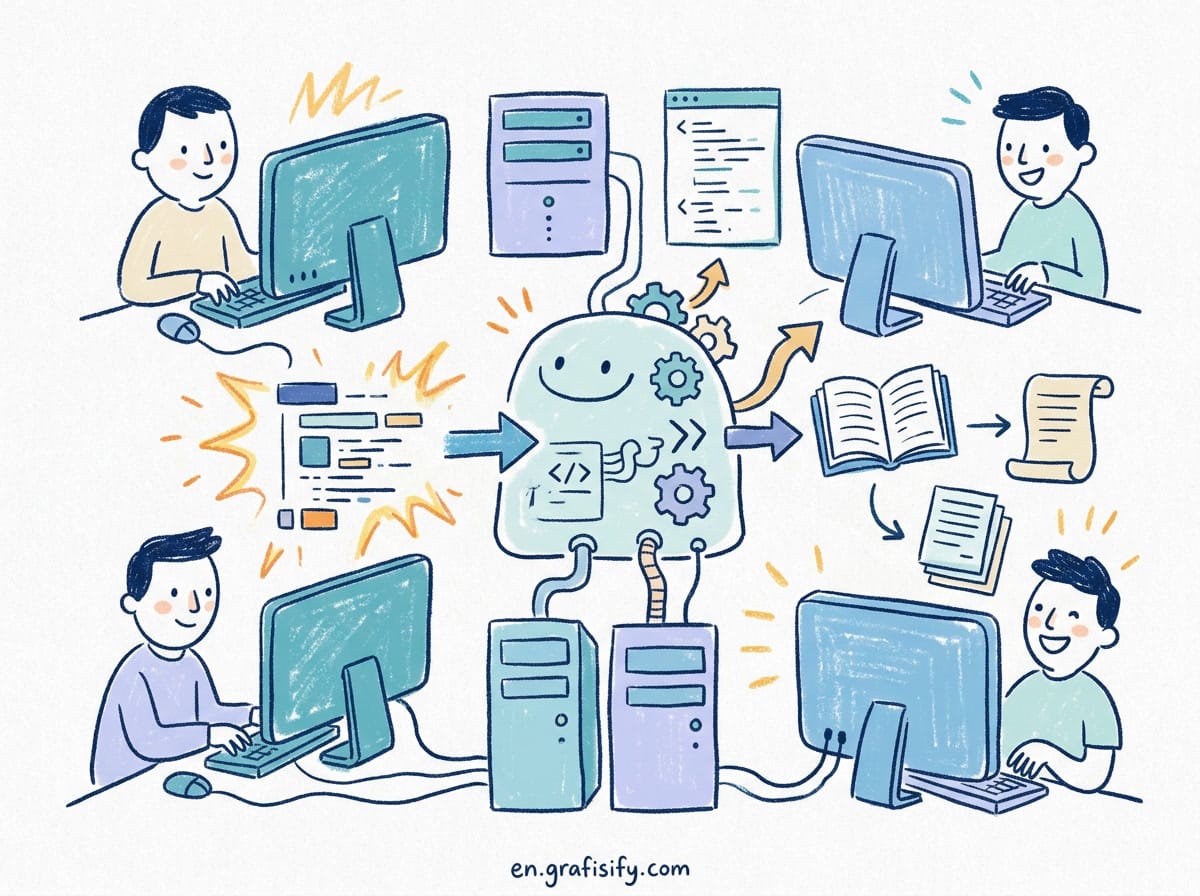
The Harness Handbook solves this by creating a navigable behavior map: a structured document that organizes code around system behaviors rather than file organization. Each behavior is linked to its implementation sites, so you can go from “I want to change X behavior” to “here are the exact files and lines to modify” in seconds.
Deep Dive: How the Harness Handbook Works
The Handbook is generated automatically from a harness codebase through two complementary techniques: static analysis and LLM-assisted structuring. The static analysis identifies code structure, dependencies, and execution paths. The LLM then helps group these into coherent behavior units with natural language descriptions.

Here is what makes it different from a traditional code search approach:
| Capability | Traditional Code Search | Harness Handbook |
|---|---|---|
| Query method | Keyword grep across files | Behavior-level question → code locations |
| Scattered behaviors | Must piece together manually | Linked across modules automatically |
| Rare execution paths | Easy to miss entirely | Documented explicitly |
| Cross-module interactions | Extremely difficult to trace | Mapped clearly |
| Update cost after changes | Must re-do manual analysis | Auto-regenerated |
The Handbook also introduces Behavior-Guided Progressive Disclosure (BGPD). This is a technique that guides agents from high-level behavior descriptions to relevant implementation details, then verifies candidate locations against the current source. It reduces the cognitive load on both human developers and AI coding agents.
Behavior Localization in Practice
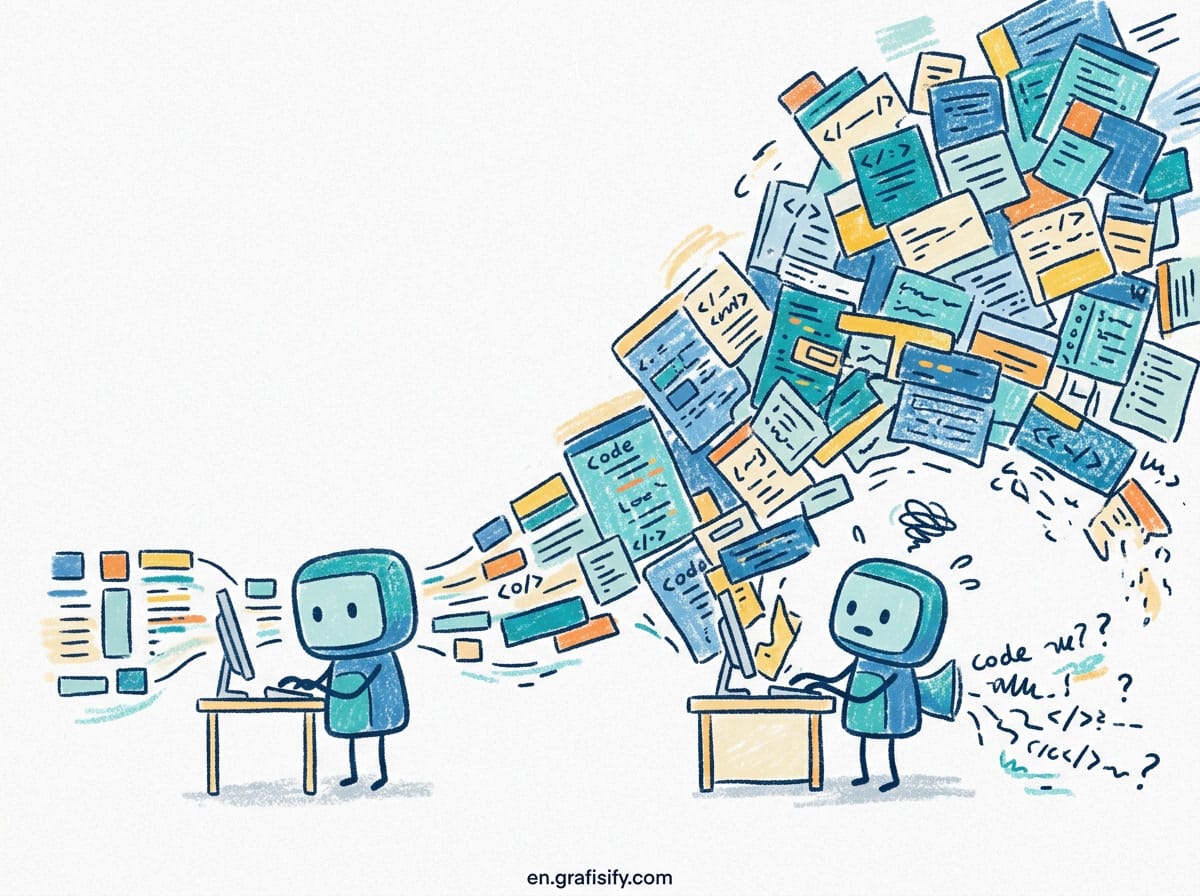
Consider a concrete example. A developer wants to modify how their agent handles user confirmation before deleting files. With traditional code search, they would grep for terms like “delete,” “confirm,” “permission,” and “approve”; and get back hundreds of scattered results across dozens of files. Each result is a fragment; the full behavior chain must be reconstructed manually.
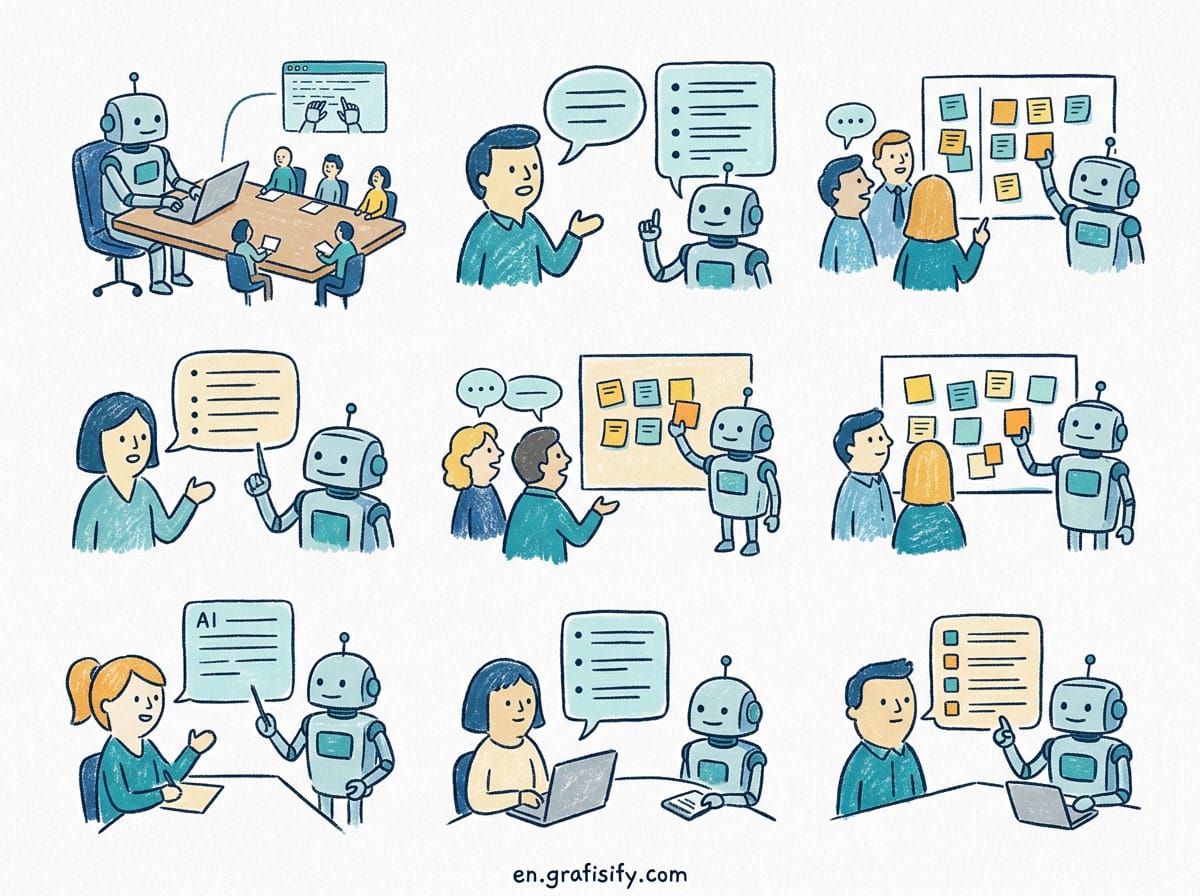
With the Harness Handbook, the developer asks: “Where is the file deletion confirmation logic?” The Handbook returns a behavior unit with all implementation sites, control flow paths, and bypass routes. The developer sees the complete picture without tracing through the codebase by hand.
Pros and Cons of the Harness Handbook Approach
What Works Well
Massive time savings on behavior localization. The evaluation on two real production harnesses showed that Handbook-assisted planning finds the right code locations more accurately while using fewer planner tokens. The gain comes from steering search toward relevant code earlier and cutting irrelevant exploration.
Biggest gains where it matters most. The improvement is largest on scattered implementation sites, rarely executed paths, and cross-module interactions; exactly the cases where traditional code search fails most often. For simple queries with obvious keyword matches, the Handbook adds less value, but it never hurts.
Also Read:
Works across diverse modification types. The evaluation tested three categories: Query (adjusting existing behavior), Cross-file (adding capabilities across files), and Search-hostile (hard-to-find code in mirrored implementations or fallback paths). The Handbook improved results across all three, with the largest advantage on Search-hostile cases.
Reduces token consumption for AI coding agents. Because the Handbook steers search toward relevant code earlier, AI coding agents using it consume fewer planner tokens per case. This means faster iterations and lower API costs.
Limitations to Consider
Requires initial setup. The Handbook must be generated from your harness codebase. While the process is automated, it does require running the analysis pipeline before you can use it.
Best for complex harnesses. If your agent system is simple with a single file and obvious behaviors, the Handbook might be overkill. The value scales with codebase complexity.
Still relies on the underlying LLM. The LLM-assisted structuring step means the quality of behavior descriptions depends on the LLM’s understanding of the codebase. For highly unusual or domain-specific behaviors, the descriptions may need manual refinement.
How to Evaluate Agent Behavior Localization Tools
Not every agent project needs the Harness Handbook, but every agent project needs some form of behavior localization. Here is how to decide what fits your needs:
- Map your codebase complexity. How many files does your harness span? How many behaviors does it implement? If you can count both on one hand, skip the Handbook and use grep. If numbers are in the dozens or hundreds, keep reading.
- Identify your pain points. Do you spend more time finding code than modifying it? Do cross-module changes always introduce regressions? Do new team members take weeks to ramp up on the harness? These are signs you need a behavior map.
- Check your modification frequency. How often do you change your agent’s behavior? If the answer is “every week” or “every sprint,” the ROI of a Handbook is clear. For static systems that rarely change, the setup cost may not be worth it.
- Evaluate the integration effort. The Handbook is designed to be generated automatically and regenerated as the harness evolves. The evaluation pipeline runs on standard cloud infrastructure, and the output is a structured document that any coding agent or human can read.
- Try it on one behavior first. Before committing to a full Handbook, pick a single behavior that is hard to find with traditional tools. Generate the Handbook for just that behavior, run the localization workflow, and compare the results to your current approach. The improvement should be visible immediately.
Final Thoughts
Evolving complex agentic systems depends not only on generating edits, but on detecting which code to edit in the first place. The Harness Handbook addresses this directly by making behavior localization explicit, structured, and verifiable.
For developers building production AI agents, this is not just an academic paper. It is a practical tool that solves a real bottleneck in agent development. The code is open source, the evaluation methodology is transparent, and the results are reproducible.
If you maintain an agent harness, ask yourself: when was the last time you spent an afternoon tracing through files to find where a behavior lives? The Harness Handbook is designed to make that afternoon a thing of the past.
References: Harness Handbook: Making Evolving Agent Harnesses Readable, Navigable, and Editable (arXiv 2607.13285); Harness Handbook Project Page


 Artificial Intelligent
 Design & Creative
 Freelance
 Gadgets & Gear
 Insights
 Laptop
 Reviews
 Smartphone
 Tech Guides
 Vibe Coding