Vibe Coding Tools for Beginners (Best Options Compared: Cursor Lovable Bolt v0 Replit)
Vibe Coding Tools for Beginners (Best Options Compared: Cursor Lovable Bolt v0 Replit)
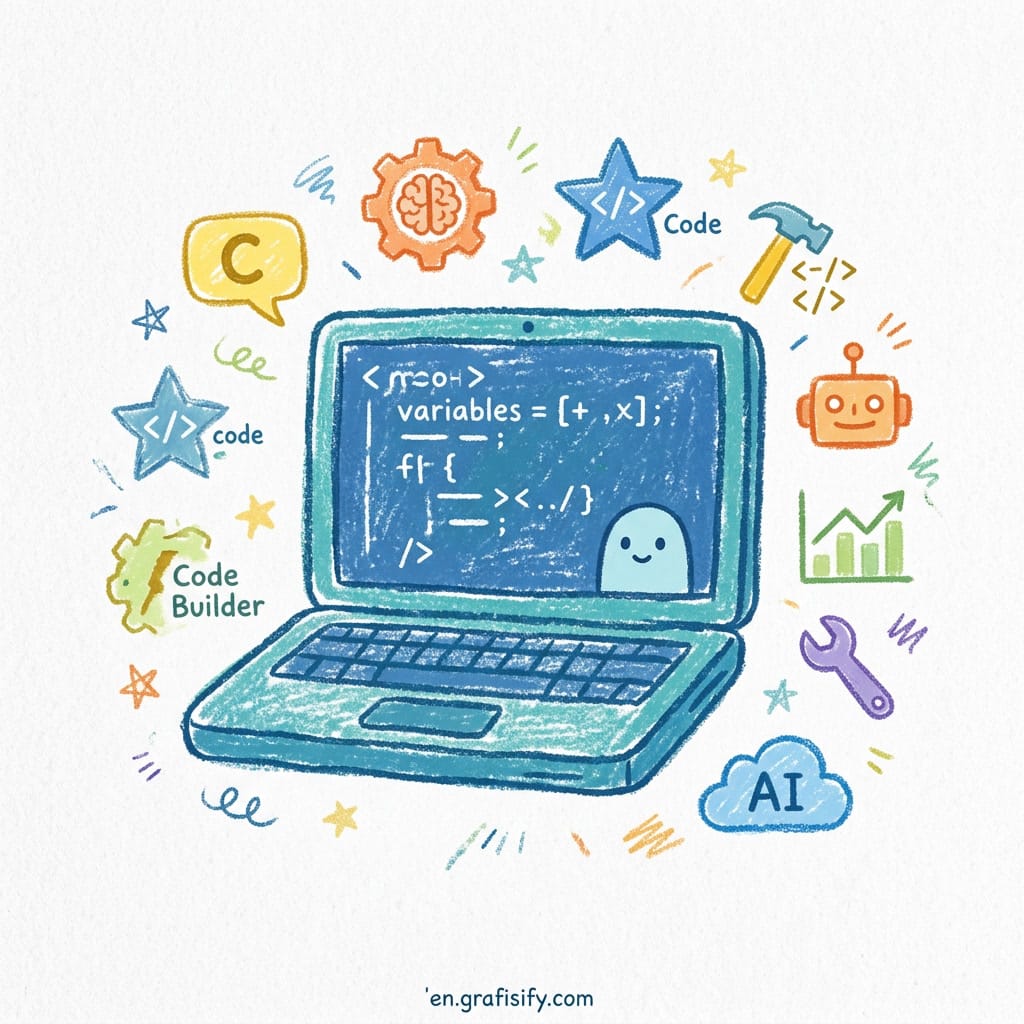
If you have zero coding experience and you want to build something real, your tool choice determines everything. Pick the wrong vibe coding tool and you will hit a wall in week one. Pick the right one and you can ship a working app before dinner. This guide to the best vibe coding tools for beginners walks through every major option, matches each to a specific kind of beginner, and gives you a decision framework that does not require technical judgment to apply. I have tested all five tools myself, and I can tell you the gap between their marketing and their reality is worth knowing about.
Vibe coding is not a fad. Collins Dictionary made it Word of the Year for 2025. Merriam-Webster added it. Linus Torvalds used it. The numbers back it up: 63% of vibe coding users are non-developers, according to Second Talent’s 2026 research. If you fall into that 63%, you need a tool that hides the scary parts. Databases, hosting, version control, the whole stack of complexity that makes traditional development intimidating.
The market for vibe coding tools for beginners has responded. In the past 18 months, at least half a dozen tools have emerged that let you build software by describing what you want in plain English. But they’re not interchangeable. Some assume you can read code. Some assume you can’t. Some are built for landing pages, others for full-stack apps. Choosing badly wastes your time and, worse, your motivation.
This article compares the best vibe coding tools for beginners: Cursor, Lovable, Bolt, v0 by Vercel, and Replit. It looks at the dimensions that actually matter to a non-technical beginner. No jargon, no marketing speak, just a straight comparison.
Vibe Coding Tools for Beginners: What Are They and Why They Matter
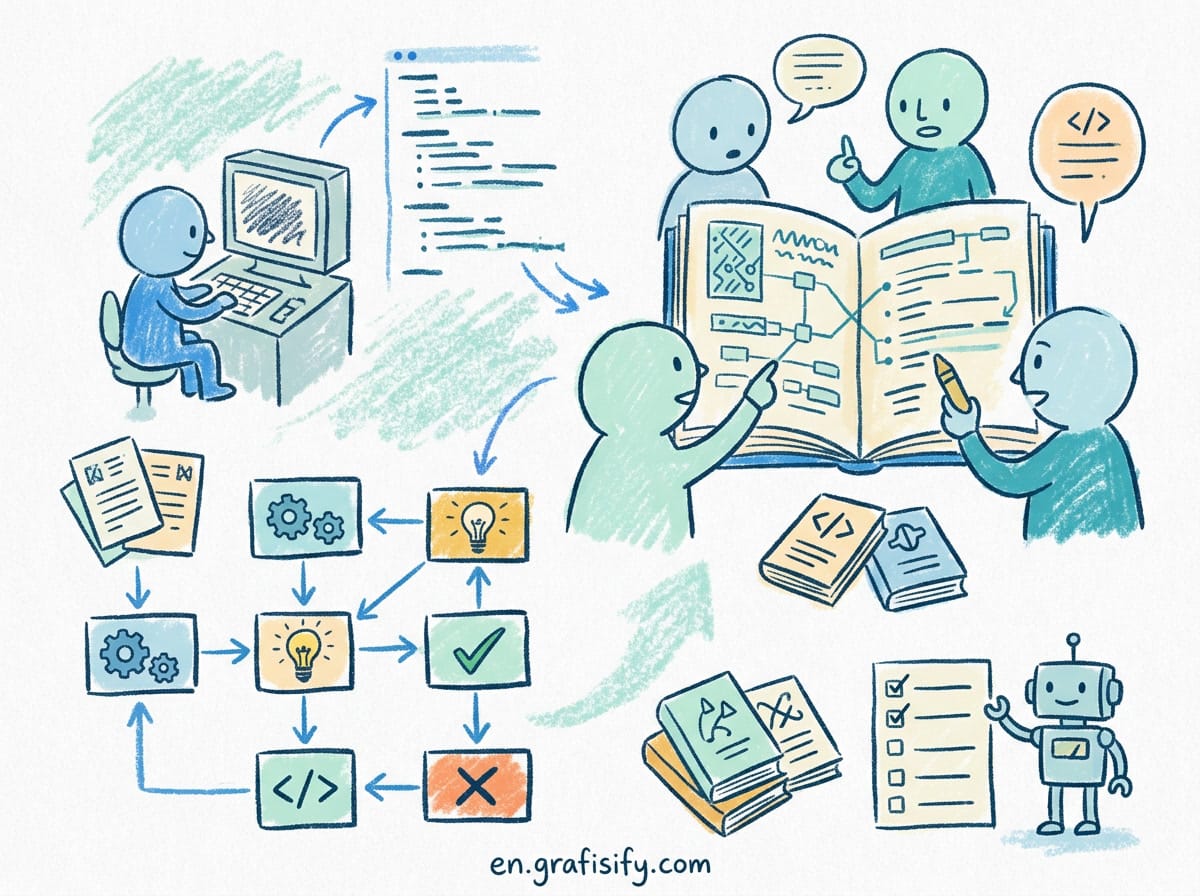
Andrej Karpathy coined the term in February 2025. His definition was simple: you describe what you want in English, the AI generates the code, and you accept every suggestion without reading the diffs. “I fully give in to the vibes,” he wrote. The punchline made people uncomfortable, but the idea stuck.
Simon Willison, a well-known programmer and Django co-creator, sharpened the definition further. Vibe coding, he argues, is specifically building software without reviewing the code the AI writes. If you review and understand every line, that’s not vibe coding. It’s software development assisted by an LLM. The distinction matters because it frames the beginner’s decision: do you want to learn to code along the way, or do you want to ship a product without touching code at all?
Both paths are valid. The key is picking a tool that matches your goal.
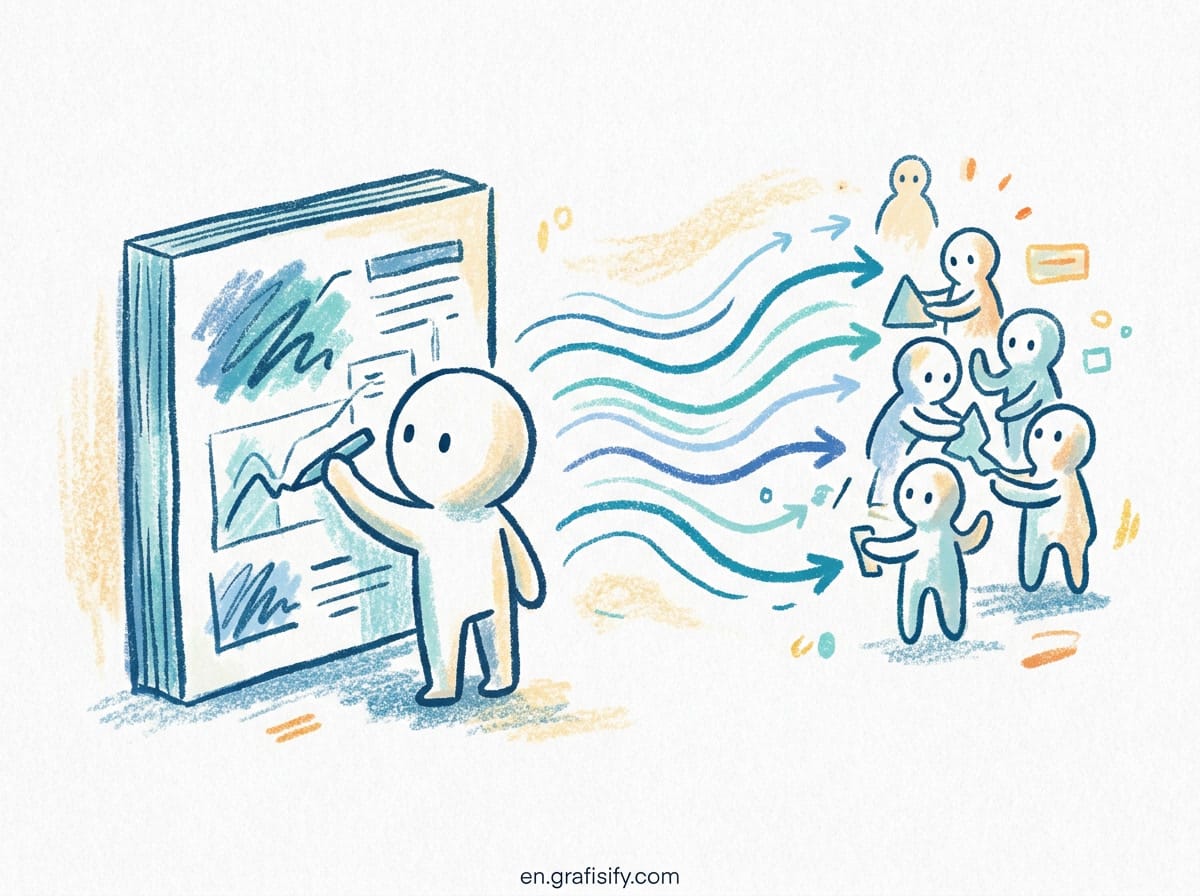
A 2026 report by Taskade found that teams using vibe coding complete tasks 51% faster on average. GitHub’s own research shows Copilot users are 55% more productive on measurable engineering tasks. For a beginner, the vibe coding tools advantage is even larger. You skip months of syntax learning and go straight to building.
| Metric | Vibe Coding Teams | Traditional Dev |
|---|---|---|
| Task completion time | 51% faster | Baseline |
| Non-developer success rate | 63% build working apps | <5% |
| Time to first deploy | 30-60 minutes | 2-8 weeks |
Vibe Coding Tools for Beginners: Deep Dive Comparison

Cursor: Best if You Can Read Code
Cursor is a fork of VS Code with an AI assistant embedded into every part of the editor. You write code; the AI suggests completions, refactors entire functions, and generates new files. Think of it as having a senior engineer sitting next to you, but one who never gets annoyed by your questions.
For beginners, the catch is that Cursor still assumes you’re in an IDE, which makes it one of the harder vibe coding tools for beginners to pick up. The file tree, the terminal, and the package manager are all visible. If you have never used VS Code, the learning curve is steep even with AI help. That said, Cursor is the best choice if your long-term goal is to actually learn development. You see every line the AI writes, and over time you start to understand what each piece does.
Cursor costs $20 per month for the Pro plan. Heavy users can spend $100+ monthly on API usage. The tool is mature. It has been in production since 2023. Its community is large enough that most beginner problems have detailed answers on forums and YouTube.
One thing to watch: Cursor generates code that looks correct but can miss security checks, especially around authentication and user permissions. If you use Cursor and you don’t read the generated code, you could ship a database that’s publicly accessible. That’s true of all vibe coding tools, but Cursor gives you fewer guardrails than the browser-based alternatives.
Lovable: Best if You Can’t Read Code
Lovable is a chat-driven app builder. You describe your idea, and Lovable generates a full working application: frontend, backend, database, everything. You iterate by chatting. You deploy by clicking a button. The output is real code, but you never have to look at it.
Also Read:
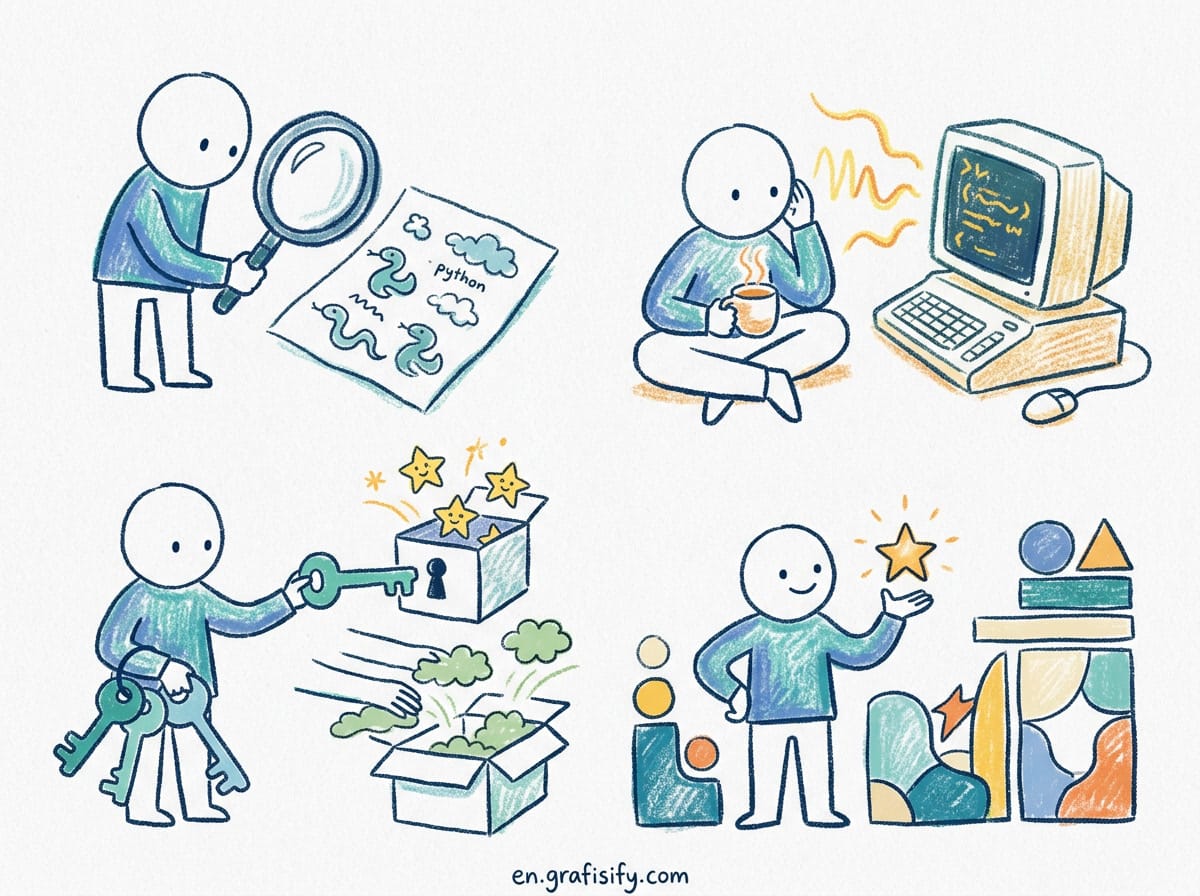
This is the tool that UX consultant Paul Boag, who writes about his non-developer experience with vibe coding, found most accessible. “A Git repository is a collection of particularly annoying British people,” he joked in one of his posts, capturing why developer-focused tools intimidate beginners. Lovable removes that intimidation entirely.
The default stack is Next.js plus Supabase plus Vercel, the same setup a professional engineer would pick for a modern web app. That means your prototype can scale into a real product without rewriting everything from scratch.
Lovable has a free tier with limited credits. Paid plans start around $20 per month for more generous usage. It’s ideal for landing pages, internal tools, and MVP demos. The main limitation is frontend-heavy output. Complex backend logic, background jobs, and data pipelines are harder to build here than in Cursor or Replit.
Bolt: Best for Quick Prototypes
Bolt (bolt.new) is another browser-based tool, but it differentiates itself on speed. You paste a prompt and have a working app in about 60 seconds. The visual results are polished. Bolt produces UI that looks designed, not assembled by an algorithm.
Bolt supports full-stack development, so you can add a database and authentication. But its strength is rapid visual prototyping. If you need to show a stakeholder a working version of an idea by this afternoon, Bolt is the fastest path.
The tool offers a free tier. Paid plans start around $15 per month. The weakness is that Bolt’s generated code can be harder to extend later. It optimizes for “looks great now” over “easy to maintain.”
V0 by Vercel: Best for Polished UI Components
V0 is Vercel’s AI tool, and it does one thing exceptionally well: generate React components from a text description. You type “a pricing table with three tiers and a hover effect,” and v0 returns production-ready code.
V0 is not a full-app builder. You use it alongside an existing project or as a starting point for a new Next.js app. For beginners who are working with a developer, v0 is a fantastic collaboration tool. You describe the component, the developer integrates it. For beginners going solo, v0 alone is not enough to ship a complete product.
It has a free tier. Pro plans start at $20 per month. The advantage is code quality. Vercel maintains strict output standards, so the generated components are clean and well-structured.
Replit: Best for Learning While Building
Replit has been around since 2011 as an online code editor and remains one of the most flexible vibe coding tools for beginners. Its AI features, added in 2023 and 2024, make it a strong vibe coding option for beginners who want to understand what they’re building. Replit’s AI Ghostwriter suggests code, explains what each block does, and can generate entire files from prompts.
The key difference from Lovable and Bolt: Replit shows you the code and helps you understand it. The environment runs in your browser, so there’s nothing to install. Replit handles hosting, databases, and deployment, but it doesn’t hide them. It places them within reach, with explanations attached.
For a beginner who thinks “I want to learn programming, but I also want to ship things now,” Replit is probably the best balance. The free tier is generous. The Hacker plan costs $25 per month and unlocks more compute and private projects.
| Tool | Best For | Code Reading Required? | Price (Paid) | Strengths | Weaknesses |
|---|---|---|---|---|---|
| Cursor | Future developers | Yes | $20+/mo | Full control, mature ecosystem | Steep learning curve |
| Lovable | Pure non-developers | No | $20+/mo | Fastest idea-to-demo path | Frontend-heavy output |
| Bolt | Quick prototypes | No | $15+/mo | 60-second working apps | Code is harder to extend |
| v0 | UI components | Some | $20+/mo | Clean, production-ready code | Not a full app builder |
| Replit | Learning while building | Some | $25+/mo | Explains as it codes | Less beginner-friendly UX |
Vibe Coding Tools for Beginners: How to Choose the Right One

Here is a simple decision tree. Be honest about your goal. There’s no wrong answer.
Do you want to learn to code over time? Start with Replit or, if you’re ambitious, Cursor. Both show you what the AI writes and let you gradually absorb patterns. Replit is gentler because it runs entirely in the browser. Cursor gives you more power but demands more upfront comfort with an IDE.
Do you want to ship a product today and never touch code? Lovable or Bolt. Lovable is better if your project has a database and user accounts. Bolt is better if you need a polished landing page or a visual demo fast.
Are you working with a developer? v0 is your best friend. Generate components, hand them off, and let the developer handle integration. You contribute to the product without needing to understand the deployment pipeline.
Do you have a budget? All five tools have free tiers. Bolt and Replit are the most generous for beginners. Lovable’s free tier runs out of credits quickly. Budget $20 per month if you plan to build consistently.
Are you building something that handles money or user data? Every vibe coding tool can miss security details. If your app processes payments or stores personal information, find a developer to review the generated code before launch. This is not optional. It’s the most common failure mode for vibe-coded products, and catching it early saves you from a breach notification later.
Common Beginner Mistakes and How to Avoid Them
Mistake 1: Starting with the wrong tool. Picking Cursor when you have never opened a code editor is the surest path to quitting. Pick the tool that matches where you are, not where you think you should be.
Mistake 2: Over-prompting. Beginners describe too many features at once. Start with one screen. Get it working. Add the next feature. Vibe coding rewards iteration, not specification documents.
Mistake 3: Ignoring the cost. AI tool subscriptions plus API usage can reach $50-$150 per month for active builders. Know your budget before you commit to a tool ecosystem.
Mistake 4: Not backing up your work. Some browser-based tools don’t version your code automatically. Export your project periodically. Lose a week of work once and you will never skip this step again.
Vibe Coding Tools for Beginners: Common Questions
Do I need to know how to code to use vibe coding tools?
No. Lovable and Bolt are built specifically for people who can’t write a single line of code. You describe your idea in plain English, and the tool generates the application. That said, being able to read code helps you debug problems and understand what the AI built. Replit is a middle ground. It expects some engagement with the code but helps you learn as you go.
Which is better for non-developers: Lovable or Bolt?
It depends on what you’re building. Lovable handles databases, authentication, and full-stack features better, making it the stronger choice for a real product. Bolt creates prettier prototypes faster, making it the better choice for demos and landing pages. If you’re unsure, start with Lovable. It scales better as your project grows.
How much do vibe coding tools cost?
All five tools offer free tiers. Paid plans range from $15 to $25 per month for individual use. Heavy users of Cursor can spend $100+ monthly on API credits. The total cost for a beginner building consistently is roughly $20 to $50 per month, depending on the tool and how much you use it.
Can I build a real business with vibe coding tools?
Yes, with caveats. Y Combinator’s Winter 2025 batch included startups whose codebases were roughly 95% AI-generated. Lovable and Bolt generate production-quality code. However, production reliability requires testing, security review, and maintenance. Skills that vibe coding alone doesn’t teach you. Many successful vibe-coded startups hire a technical co-founder after the MVP phase to handle those concerns.
What is the difference between Cursor and Lovable?
Cursor is an AI-augmented IDE for people who write code. Lovable is a chat-driven app builder for people who don’t. Cursor assumes you understand file trees, dependencies, and deployment pipelines. Lovable hides all of that. If your goal is to ship a product without learning development, choose Lovable. If your goal is to become a developer who uses AI to work faster, choose Cursor.
Is vibe coding safe for beginners?
Vibe coding is safe for prototypes and internal tools. It’s risky for applications that handle payments, personal data, or authentication. The AI-generated code can look correct while missing critical security checks. Never launch a vibe-coded app that processes user data without a security review by someone who understands application security.

Final Thoughts on Vibe Coding Tools for Beginners
Vibe coding is the best thing that has happened to non-developers who want to build software. It’s also dangerous in exactly the ways that matter most: security, maintainability, and technical debt. The tools are good enough to ship. They’re not good enough to trust blindly.
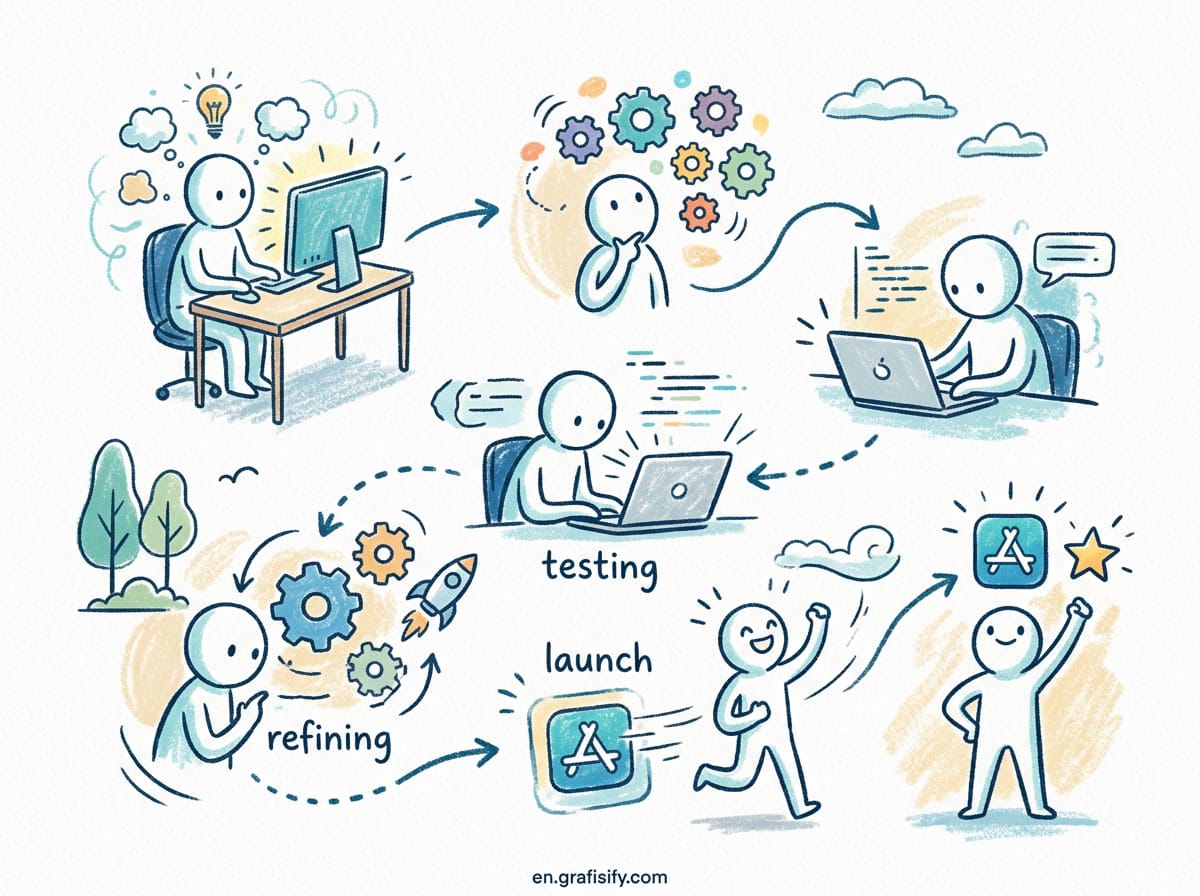
Start with the tool that matches your goal, not the one with the most impressive demo. I’ve seen too many beginners burn a month on the wrong tool. Build something simple first. Launch it. Then iterate. The difference between someone who successfully vibe codes and someone who gives up after a week is almost never technical skill. It’s matching the tool to the task and staying realistic about what the AI can and can’t do.
For a deeper look at how vibe coding fits into the broader trend of AI-assisted development, check out our guide to AI coding agents for beginners. For more on getting started, see our introduction to vibe coding. For a technical breakdown of what happens inside these tools, the Securie comparison of Cursor vs Lovable vs Bolt is worth your time, as is eesel AI’s practical guide for non-developers.

Irfan is a Creative Tech Strategist and the founder of Grafisify. He spends his days testing the latest AI design tools and breaking down complex tech into actionable guides for creators. When he’s not writing, he’s experimenting with generative art or optimizing digital workflows.
You might also like

 Artificial Intelligent
 Design & Creative
 Freelance
 Gadgets & Gear
 Insights
 Laptop
 Reviews
 Smartphone
 Tech Guides
 Vibe Coding