Top 7 Generative AI Tools That Will Replace Your Boring Tasks in 2026

The Verdict: As we head deeper into the digital age, manual drudgery is becoming a choice rather than a necessity. We have tested and analyzed the market to bring you the definitive list of software that automates the mundane. These top-tier Generative AI tools are designed to reclaim your time, boost your creative output, and fundamentally change how you approach your daily workflow.
What are Generative AI Tools?
Generative AI tools are advanced software applications that utilize machine learning algorithms to create new content—including text, imagery, audio, code, and video—in response to user prompts. Unlike simple automation scripts that follow rigid rules, these tools understand context, style, and nuance, allowing them to produce original outputs that mimic human creativity and intelligence.

The Top 7 Tools Transforming Productivity
1. ChatGPT-5 (The Evolution of Text)
It is impossible to talk about the future of work without mentioning the heavyweight champion of Large Language Models (LLMs). By 2026, the iteration we are calling ChatGPT-5 has moved far beyond simple Q&A. This tool is no longer just a chatbot; it is a full-stack reasoning engine. It automates email responses with uncanny emotional intelligence, drafts complex legal contracts, and even debugs messy code structures in seconds.
For content creators and administrators, this is the ultimate assistant. Imagine feeding it a messy transcript of a strategy meeting and receiving a perfectly formatted project roadmap, complete with assigned tasks and deadlines, in under thirty seconds. It handles the “boring” heavy lifting of structuring data so you can focus on the actual strategy.

2. Midjourney V7 (Visuals on Autopilot)
If you have ever spent hours searching for stock photos that don’t look like generic corporate nightmares, Midjourney is your savior. The latest iteration of this image generation powerhouse offers photorealism that is indistinguishable from high-end photography. It allows designers to generate specific assets, UI mockups, and marketing materials instantly.
The real power lies in its consistency features. You can now train the model on your brand’s specific color palette and style guide, ensuring that every asset generated adheres to your corporate identity. This eliminates the tedious back-and-forth usually required between marketing managers and graphic designers for simple asset creation.
3. GitHub Copilot X (The Coding Companion)
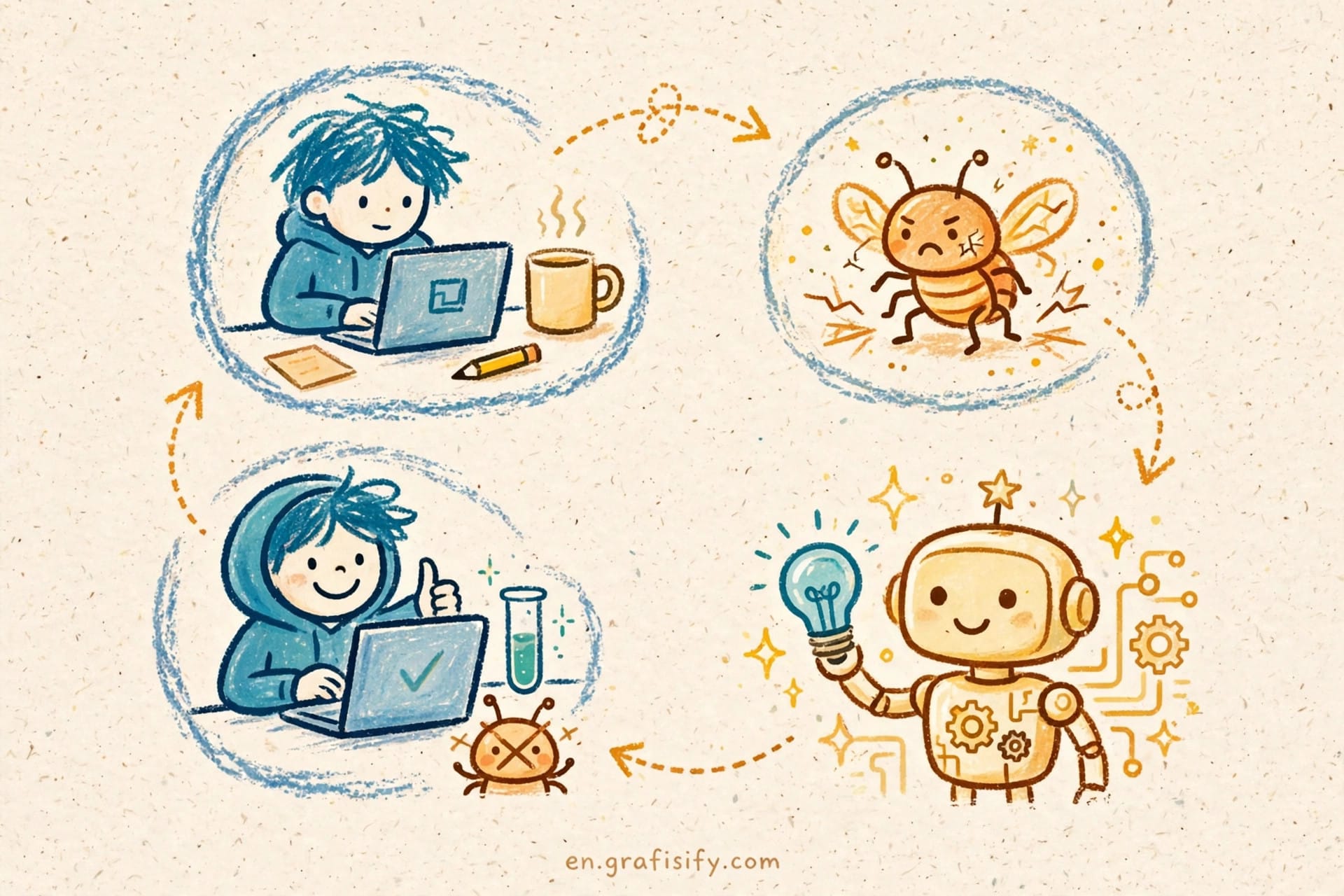
For developers, the monotony often lies in writing boilerplate code and unit tests. GitHub Copilot X acts as an AI pair programmer that anticipates your next move. It doesn’t just autocomplete lines; it suggests entire function blocks based on the context of your current project. It creates a workflow where the human acts as the architect, while the AI lays the bricks.

According to research on software engineering efficiency, tools like Copilot can increase coding speed by over 50%. By handling the repetitive syntax and documentation tasks, it frees up developers to solve complex architectural problems rather than getting bogged down in the syntax of a specific language. Learn more about the underlying technology of generative AI here.
4. Jasper AI (Marketing Copy at Scale)
While general chatbots are great, Jasper remains the king of brand-specific marketing copy. Among the top Generative AI tools available, Jasper excels because it understands the nuance of “brand voice.” You can upload your company’s past blogs, whitepapers, and emails, and it will learn to write exactly like your best copywriter.
The “Campaigns” feature allows you to turn a single product brief into a fully fleshed-out multi-channel marketing campaign. With one click, it generates a blog post, five social media captions, a press release, and an email newsletter sequence. It turns a week’s worth of writing grunt work into a ten-minute review session.
5. Synthesia (Video Without Cameras)
Video production is notoriously expensive and time-consuming. Synthesia eliminates the need for cameras, microphones, and actors. You simply type your script, choose an AI avatar (which creates a frighteningly realistic human presentation), and the tool generates a professional video in minutes. This is perfect for corporate training, onboarding, and personalized sales outreach.
Imagine needing to update a compliance training video because of a small policy change. Traditionally, you would need to re-hire the actor and re-shoot the scene. With Synthesia, you just edit the text script, and the AI regenerates the video instantly. It makes maintaining a video library as easy as editing a Word document.
6. Otter.ai (The Meeting Killer)
Nothing kills productivity quite like sitting in a meeting and scrambling to take notes. Otter.ai joins your Zoom, Teams, or Google Meet calls and transcribes them in real-time. But transcription is just the baseline; its “OtterPilot” feature automatically extracts key takeaways, action items, and assigns them to specific team members.

This tool allows you to “skip” meetings. You can double-book yourself, attend the high-priority call, and send Otter to the other one. Afterward, you can simply query the AI: “Did they mention the Q3 budget?” and it will take you exactly to that moment in the discussion. It is the ultimate antidote to Zoom fatigue.
7. Notion AI (The Organizational Brain)
Notion has long been a favorite for organization, but its AI integration turns your database into an active participant. It can summarize messy pages, translate documents, and even brainstorm ideas based on existing notes. It connects the dots between different projects in your workspace that you might have missed.
For example, if you have a database of user feedback and a separate roadmap document, Notion AI can analyze the feedback and suggest which roadmap items should be prioritized. It turns a static repository of information into dynamic, actionable intelligence, effectively acting as a project manager that never sleeps.
Advanced Strategies: Human-in-the-Loop
While these Generative AI tools are powerful, the “set it and forget it” mentality is a trap. The most successful implementation strategy is the “Human-in-the-Loop” (HITL) approach. This means you use AI to generate the “First Draft” or the “Prototype,” but a human expert always performs the final review and polish. This ensures accuracy and maintains the human touch that connects with audiences.
Furthermore, prompt engineering is the new literacy. The quality of output you get from these tools is directly correlated to the quality of your input. Invest time in building a library of “Super Prompts”—complex instructions that you have tested and refined—to ensure consistent results across your team. Keep up with the latest AI developments at MIT Technology Review.
Pros & Cons of an AI-Driven Workflow
✅ The Good
- Massive Time Savings: Tasks that took hours now take minutes, freeing up time for strategic thinking.
- Cost Efficiency: Reduces the need for outsourcing simple tasks like transcription or basic graphic design.
- Creativity Unlocked: Removes the “blank page syndrome” by providing instant starting points and ideas.
❌ The Bad
- Accuracy Issues: AI can still “hallucinate” or confidently present false information as fact.
- Loss of Nuance: AI content can sometimes feel generic or robotic if not properly edited by a human.
- Data Privacy: Uploading sensitive corporate data to public AI models carries significant security risks.
Final Thoughts
The year 2026 isn’t about robots taking our jobs; it’s about smart professionals offloading the tasks that make them hate their jobs. By integrating these top Generative AI tools into your daily routine, you aren’t just working faster; you are working smarter. The goal is to spend less time managing work and more time actually doing it.
Don’t be the person manually transcribing meeting notes while your competitors are already executing on the strategy. Start with one tool, master it, and then expand your toolkit. If you want to dive deeper into optimizing your specific industry workflow, Read our related guide on automation strategies for small businesses.
Tagged with:
Artificial IntelligenceBusiness EfficiencyChatGPTDigital ToolsFuture TechJasper AIMidjourneyProductivity HacksTech Trends 2026Workflow Automation
Irfan is a Creative Tech Strategist and the founder of Grafisify. He spends his days testing the latest AI design tools and breaking down complex tech into actionable guides for creators. When he’s not writing, he’s experimenting with generative art or optimizing digital workflows.




 Artificial Intelligent
 Design & Creative
 Freelance
 Gadgets & Gear
 Insights
 Laptop
 Reviews
 Smartphone
 Tech Guides
 Vibe Coding