Redbubble vs. Teepublic: Which Print-on-Demand Site Pays Artists More?

Let’s be real for a second. The dream of passive income is often sold as this magical, effortless river of cash. You upload a PNG, go to sleep, and wake up to a notification that says you just paid your rent. While it’s not quite that simple, Print-on-Demand (POD) is pretty much the closest thing we have to that reality for digital artists.
But here’s the million-dollar question—or at least, the extra-hundred-bucks-a-month question: Redbubble vs. Teepublic. Which platform is actually going to value your time, respect your art, and ultimately, pay you more?
If you’ve been lurking in Reddit threads or scouring YouTube for answers, you’ve probably noticed the landscape has shifted drastically in the last year. Fee structures changed. Algorithms evolved. It’s messy out there. As someone who has navigated the murky waters of POD marketplaces for years, I’m going to break this down without the fluff. We are looking at the cold, hard numbers, the user experience, and the “hidden costs” that eat into your margins.
The Verdict: The Short Answer
If you are looking for a quick answer because you have 50 designs ready to upload right now: It’s complicated, but Redbubble usually offers higher potential ceilings, while Teepublic offers better stability for volume sellers.
Also Read:

However, that statement comes with a massive asterisk the size of Texas. Why? Because Redbubble introduced a controversial tier system recently that taxes “Standard” accounts, effectively slashing earnings for newbies. Meanwhile, Teepublic operates on a fixed-royalty model that is simpler but less flexible.
Let’s dive deep.

The Redbubble Ecosystem: The Giant with a Catch
Redbubble is the 800-pound gorilla of the POD world. In terms of pure organic traffic, it is practically unmatched. Millions of customers browse the site monthly looking for obscure pop culture references, aesthetic stickers, and niche hoodies. Getting your work in front of eyeballs is easier here than almost anywhere else due to their SEO dominance.

The Earning Model: Freedom (With a Price)
Historically, Redbubble’s selling point was margin control. By default, the markup is 20%, but you could crank that up to 50%, 80%, or even 100% if you felt your art was worth it. If a sticker costs $2 to make and you sell it for $4, you keep the difference.
But then came the Account Tiers.
Recently, Redbubble introduced a system categorizing accounts into Standard, Premium, and Pro. If you are classified as Standard (which most new accounts are), you are subject to an account fee that scales with your earnings. It’s essentially a tax on your royalties.
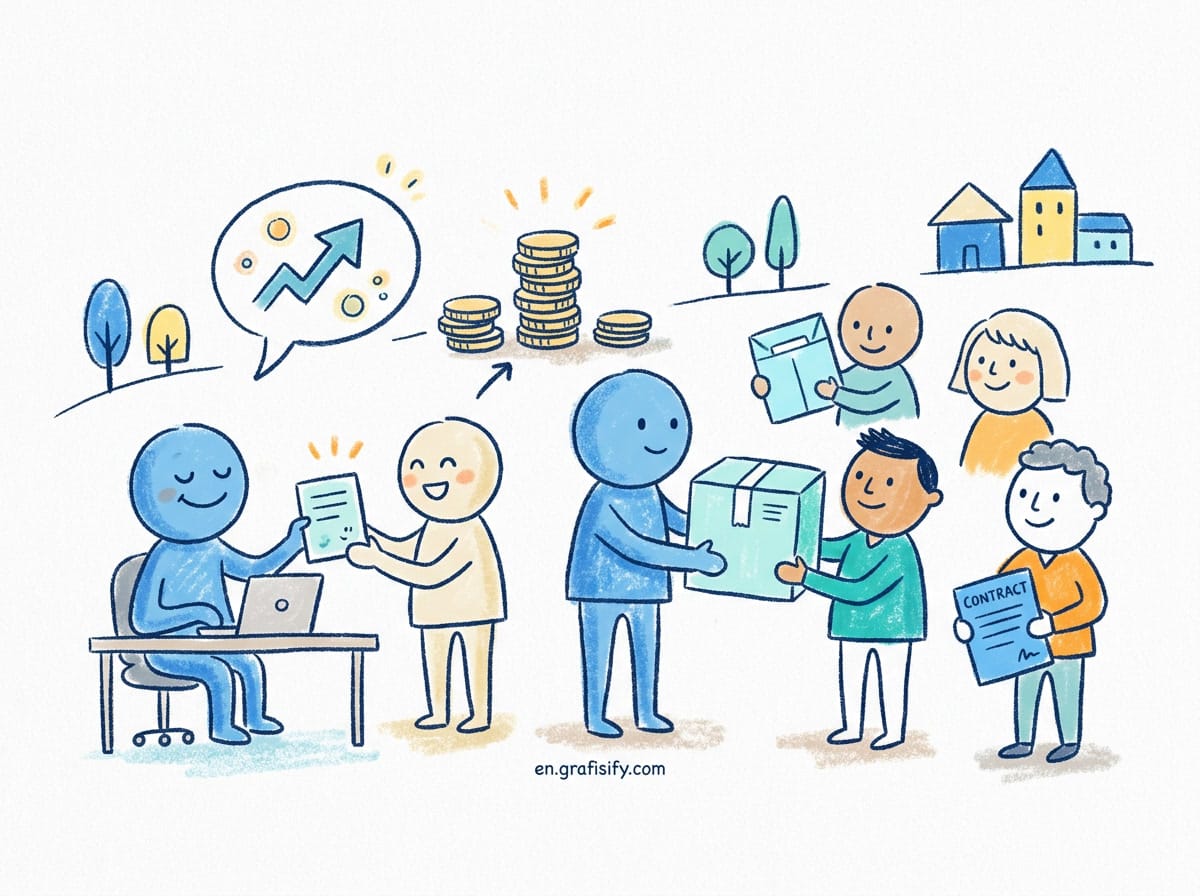
- Pro/Premium: No account fees. You keep your full margin.
- Standard: If you earn between a certain threshold, Redbubble takes a cut off the top of your monthly payout.
This was a game-changer, and not in a good way for many. It means that to compare Redbubble vs. Teepublic honestly, you have to factor in the possibility that Redbubble might take a slice of your pie before it even hits your PayPal.
The Teepublic Approach: Set It and Forget It
Fun fact: Redbubble actually owns Teepublic (acquired back in 2018). Yet, they operate like distant cousins who argue at Thanksgiving. Teepublic is streamlined, faster, and much more rigid regarding payment.
The Fixed Royalty Model
Unlike Redbubble, you cannot set your prices on Teepublic. Period. The platform sets the retail price, and you get a flat dollar amount per item sold.
Here is the breakdown for a standard T-shirt:
- Regular Price ($20 – $22): You earn roughly $4.00.
- Sale Price ($13 – $14): You earn roughly $2.00.
Here is the kicker: Teepublic runs sales constantly. For the first 72 hours after you upload a design, it’s on sale. Every major holiday? Sale. Random Tuesday? Probably a sale. Consequently, you should mentally prepare to earn the lower “sale” royalty rate on about 70-80% of your transactions.
Is $2 per shirt bad? Not necessarily. It’s a volume game. Teepublic customers are conditioned to buy because the prices are lower than Redbubble’s. Lower friction to purchase often equals higher conversion rates.
Head-to-Head: Who Pays More?
Let’s run a hypothetical scenario. You have a killer design of a retro astronaut.
Scenario A: Selling on Redbubble (Standard Tier)
You set your margin to 20% on a $25 shirt. Your gross profit is around $4.17. However, at the end of the month, the account fee kicks in because you haven’t reached “Premium” status yet. Depending on your total earnings, your effective take-home might drop to around $3.00 – $3.50 per shirt.
Scenario B: Selling on Teepublic
You sell that same shirt. If it’s during a sale (which it likely is), you pocket $2.00. If it’s full price, you pocket $4.00.
Winner? If you have a Pro account on Redbubble, Redbubble wins hands down because you can raise your margins to 25-30% and keep it all. If you are a new user stuck in the Standard tier fee loop, the gap narrows significantly, making Teepublic’s volume strategy appealing.
For more insights on optimizing your digital workflow and tech setup for POD, check out our tech guides for creators.
Upload Speed and User Experience
Time is money. If it takes you 10 minutes to upload one design on Site A and 2 minutes on Site B, Site B effectively pays you more per hour of labor.
Redbubble’s Uploader
Redbubble’s uploader is granular. You can tweak the position of your art on leggings, clocks, duvet covers, and shower curtains. It’s powerful, but it’s slow. Properly scaling a design for 90+ products can take 5 to 10 minutes per design if you are a perfectionist.
Teepublic’s Uploader
Teepublic is the speed demon. Their single-page uploader is incredibly fast. They have fewer products (mostly apparel, stickers, mugs, wall art), and the interface snaps your design to the center automatically. You can upload a design and have it live in under 90 seconds. If your strategy is “spray and pray”—uploading thousands of designs—Teepublic is your best friend.
Traffic Sources: SEO vs. Social
Where do the customers come from? This is critical.
Redbubble is an SEO monster. They rank highly on Google for almost any “[Topic] T-shirt” search term. If you are good at keyword tagging, you can make sales without ever posting to Instagram or TikTok. It is true passive income.
Teepublic feels more “community” driven. While they also have decent SEO, their internal search engine is a bit quirky. However, Teepublic converts very well for “impulse buys” because of the lower price point. If you bring your own traffic (e.g., you have a Pinterest following), Teepublic’s lower prices might secure the sale where Redbubble’s $30 hoodies might scare people off.
The “gotchas”: Suspensions and Copycats
We need to talk about the dark side of POD.
Both platforms are notorious for ban-hammers. Their automated bots scour for copyright infringement. If you upload anything remotely resembling Disney, Marvel, or even some viral phrases, you risk an instant account termination. No appeals, no mercy.
Redbubble seems slightly more sensitive. There are horror stories of artists with thousands of dollars in pending payouts getting banned the day before payday. Teepublic is also strict, but often they will simply remove the design rather than nuking the whole store unless you are a repeat offender.
The Copycat Issue: Redbubble has a massive problem with thieves scraping your art and re-uploading it. While they have a takedown team, it’s a game of whack-a-mole. Teepublic suffers from this too, but the sheer volume on Redbubble makes it a bigger target.

Pros and Cons at a Glance
Redbubble
- Pros: Massive organic traffic, control over profit margins, huge product variety, excellent Google SEO ranking.
- Cons: High competition, new “Standard Tier” fees eat into profits, slow upload process.
Teepublic
- Pros: Blazing fast upload speed, fixed royalties simplify math, high conversion rates due to frequent sales, less fiddling required.
- Cons: Lower per-item profit, no control over pricing, fewer product types (no shower curtains or extensive home decor).
Strategic Advice: The “Hybrid” Approach
Why choose? Seriously.
Unless you have an exclusivity contract (which these sites don’t require), the smartest play is to upload to both. This is known as the “Non-Exclusive” perk of POD.
My strategy? Use Teepublic to test designs. Since the upload process is so fast, throw your concepts up there. If a design starts selling on Teepublic, take the time to carefully upload and format it on Redbubble. Use Teepublic for volume and cash flow, and build your Redbubble portfolio for high-margin, long-term asset growth.
Furthermore, you should look into tools that automate uploads to multiple platforms, though be careful—using automation bots can sometimes flag your account if you aren’t careful.
Final Thoughts
So, Redbubble vs. Teepublic—who pays more? In 2024 and beyond, Redbubble pays more per unit if—and only if—you escape the Standard tier fee trap and optimize your margins. However, Teepublic often pays more per hour of effort due to the speed of their platform and the higher conversion volume driven by their constant sales.
If you are an artist who wants every pixel perfect and wants to charge a premium, stick to Redbubble. If you are a graphic designer who wants to churn out pop-culture trends and prefers a “set it and forget it” workflow, Teepublic is your bread and butter.
Whatever you do, don’t leave your designs sitting on your hard drive. A 2% royalty is infinitely better than 0% on a file nobody sees.
Tagged with:
digital art salespassive income for artistsprint on demandRedbubble reviewSide HustleTeepublic review
Irfan is a Creative Tech Strategist and the founder of Grafisify. He spends his days testing the latest AI design tools and breaking down complex tech into actionable guides for creators. When he’s not writing, he’s experimenting with generative art or optimizing digital workflows.






 Artificial Intelligent
 Design & Creative
 Freelance
 Gadgets & Gear
 Insights
 Laptop
 Reviews
 Smartphone
 Tech Guides
 Vibe Coding