Mistakes New Freelancers Make in Their First Year: The Brutal Truth

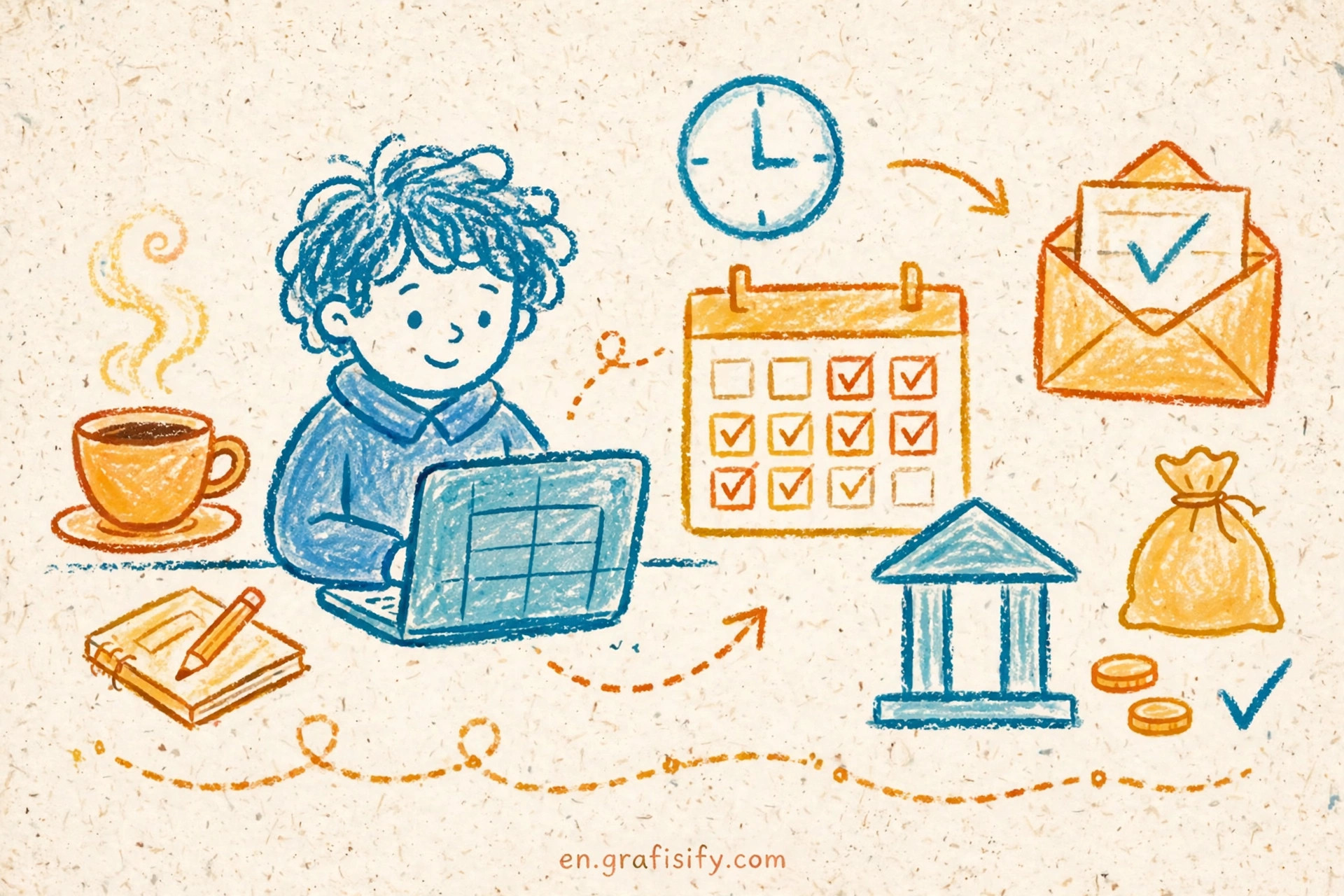
Let’s be real for a second. The dream is intoxicating, isn’t it? You hand in your resignation letter, grab your laptop, and picture a life of working from Bali, sipping artisanal coffee, and answering to absolutely no one. You think you’ve escaped the rat race. But honestly? For many, the first year of freelancing isn’t a vacation; it’s a baptism by fire. It is messy, chaotic, and often, quite lonely.
The transition from employee to business owner—because that is exactly what you are now—is jarring. Most people dive in headfirst without checking the depth of the water, and that is precisely where the trouble starts. The stats are grim; a huge chunk of solopreneurs fold within the first 12 months, crawling back to the 9-to-5 grind with their tails between their legs. Why? Because the mistakes new freelancers make are often invisible until the damage is already done.
I’ve been there. I’ve undercharged, overworked, and panicked over tax bills. In this deep dive, we aren’t just listing errors; we are dissecting the psychology behind them so you can survive the gauntlet.
The Verdict: Is the First Year Doomed?
Not necessarily, but it is certainly the most dangerous. If you treat freelancing like a hobby, it will pay you like a hobby (which is to say, it will cost you money). If you treat it like a business, the friction decreases. The biggest takeaway? Stop acting like an employee who just happens to work from home. Start acting like a CEO.
Also Read:
1. The “Yes Man” Syndrome (Accepting Every Gig)
Here is the scenario: You launch your profile. Crickets. Then, finally, a ping! A client wants you to write a 5,000-word ebook on the history of cement mixing for $20. You take it. Why? Because you’re desperate for validation and cash flow. This is one of the classic mistakes new freelancers make.
It feels counterintuitive to say “no” when your bank account is looking lean, but taking on low-paying, soul-sucking work clogs your pipeline. It occupies the mental bandwidth you need to find premium clients. You end up busy, burned out, and broke—a trifecta of misery.
The Fix: define your ideal client avatar. If a lead doesn’t fit, or if their budget is insulting, walk away. Your “no” is more powerful than your “yes.” It signals value.

2. Pricing Yourself Into Poverty
Let’s talk money. Why is it that talented professionals suddenly forget how math works the moment they go freelance? There is a tendency to price based on what you think the client wants to hear, rather than what you need to survive.
Newbies often calculate their hourly rate based on their old salary. “I made $30/hour at my job, so $35/hour is a raise!” Wrong. Dead wrong. You are forgetting the “freelance tax”—health insurance, software subscriptions, self-employment tax, unpaid sick days, and the time spent marketing (which is unpaid).
If you aren’t charging at least double your corporate hourly equivalent, you are essentially taking a pay cut. Don’t be the cheapest option on the market. It’s a race to the bottom, and the winner gets nothing but exhaustion.
3. Ignoring the Boring Legal Stuff (Contracts)
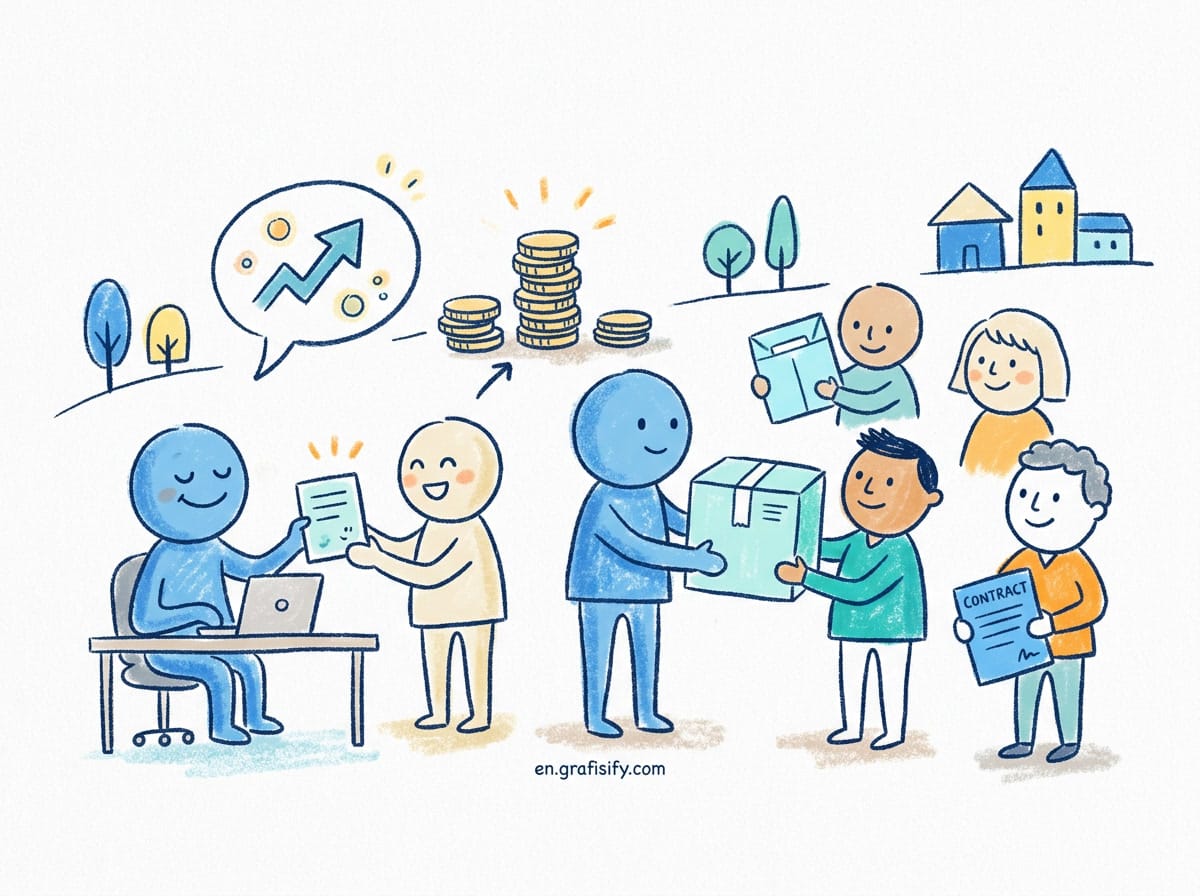
Handshakes are for friends. Contracts are for professionals. One of the most dangerous mistakes new freelancers make is starting work without a signed agreement. You assume the client is nice. They seem nice. Until they ask for the tenth revision, or worse, ghost you when the invoice is due.
Scope creep is the silent killer of profitability. Without a contract defining exactly what is included (and more importantly, what isn’t), you are defenseless. You need a “Kill Fee,” a scope definition, and clear payment terms.
- Scope Creep: When a “quick logo design” turns into a full brand identity overhaul for the same price.
- Payment Terms: Net-30? Net-15? 50% upfront? If you don’t dictate this, they will pay you whenever they feel like it.
4. The Feast or Famine Trap (Pipeline Neglect)
This is the rollercoaster. You land a big client. You are swamped. You work 12 hours a day to deliver perfection. You stop posting on LinkedIn. You stop pitching. You finish the project, send the invoice, and celebrate. Then you look up and realize… you have zero work lined up for next month.
This cyclical panic is avoidable, yet it remains one of the top mistakes new freelancers make. Marketing isn’t something you do when you are bored; it is something you do especially when you are busy. You need to keep the flywheel spinning.
How to Fix the Pipeline:
Dedicate 30 minutes every single morning to outreach, regardless of how much work you have on your plate. Future-you will thank present-you.
5. Failing to Set Boundaries (The 24/7 Availability)
Just because you have Slack on your phone doesn’t mean you need to answer a client at 9:00 PM on a Sunday. When you are new, you fear that if you don’t reply instantly, the client will fire you.
Truth is? You train people how to treat you. If you reply at midnight once, they will expect it forever. Establishing “office hours” helps you maintain sanity. Burnout is real, and without a boss to tell you to go home, you are your own worst tyrant.
6. Neglecting the Tech Stack
You cannot run a modern business with a notepad and a prayer. Many freelancers try to save money by avoiding software costs, but this efficiency drag costs more in the long run. Whether it’s project management tools like Trello or accounting software like QuickBooks, automation is your friend.
If you’re looking for guidance on what tools actually move the needle, check out some tech guides to streamline your workflow. Trying to do everything manually is a rookie error that leads to administrative chaos.
7. Tax Season Surprise (The “Boncos” Moment)
In Indonesia, they say “Boncos” when you make a loss or go broke. In the US, we call it “April 15th Panic.” When you get a $5,000 check, that is not $5,000 of spending money. Depending on where you live, 20% to 30% of that belongs to the government.
One of the most financially devastating mistakes new freelancers make is spending their gross income. Open a separate savings account. Every time you get paid, immediately transfer 30% into that account. Do not touch it. It’s not yours. If you ignore this, the tax man will come knocking, and he isn’t polite.
8. Isolation and Lack of Community
Freelancing is lonely. You miss the water cooler talk. You miss complaining about the printer. Isolation can lead to a decline in mental health and creativity. You need a tribe. Join Facebook groups, local meetups, or discord servers. Networking isn’t just about finding clients; it’s about finding peers who understand why you’re stressed about a difficult client email.
According to the Freelancers Union, community support is a key factor in long-term freelance longevity. Don’t be an island.
Pros and Cons of the First Freelance Year
To summarize the chaos, let’s break it down.
- PRO: Uncapped Earning Potential. You are no longer limited by a salary band.
- CON: Income Instability. Some months you eat steak; other months you eat ramen.
- PRO: Freedom of Schedule. Work at 2 AM if that’s your jam.
- CON: The “Always On” Mentality. It’s hard to mentally clock out.
- PRO: Choice of Projects. You pick what you work on.
- CON: Admin Overload. You are the janitor, the CEO, and the accountant.
9. Imposter Syndrome (The Mental Game)
“Who am I to charge this much?” “They’re going to find out I’m a fraud.” Listen, imposter syndrome is a sign of growth. If you aren’t scared, you aren’t stretching yourself. But letting it paralyze you is one of the critical mistakes new freelancers make.
Your client hired you because they have a problem and they believe you can solve it. Focus on the solution, not your insecurities.
10. Forgetting to Upsell
It is 5x easier to sell to an existing client than to find a new one. Yet, newbies finish a project and say, “Thanks, bye!” instead of, “Since we finished the website, would you like help with monthly SEO maintenance?” You are leaving money on the table. Always look for the next step in the relationship.
Final Thoughts: Surviving the Gauntlet
The first year is a sieve. It filters out those who just want the lifestyle from those willing to do the work. By avoiding these common mistakes new freelancers make, you aren’t just surviving; you are building a foundation for a career that is actually sustainable.
It won’t be easy. You will likely cry over a broken printer or a rude email at least once. But when you look back a year from now, with a stable client base and the freedom to work from anywhere, you’ll realize it was worth the struggle. Keep your head up, raise your rates, and get that contract signed.
For more insights on managing the business side of things, reputable sources like Forbes often cover the macro trends in the gig economy that you should be aware of.
Tagged with:
business mistakesCareer Advicefreelance tipsGig EconomyProductivityRemote WorkSolopreneur
Irfan is a Creative Tech Strategist and the founder of Grafisify. He spends his days testing the latest AI design tools and breaking down complex tech into actionable guides for creators. When he’s not writing, he’s experimenting with generative art or optimizing digital workflows.





 Artificial Intelligent
 Design & Creative
 Freelance
 Gadgets & Gear
 Insights
 Laptop
 Reviews
 Smartphone
 Tech Guides
 Vibe Coding