OpenCode CLI: The Open Source AI Coding Agent You Can Self-Host
What OpenCode Actually Is
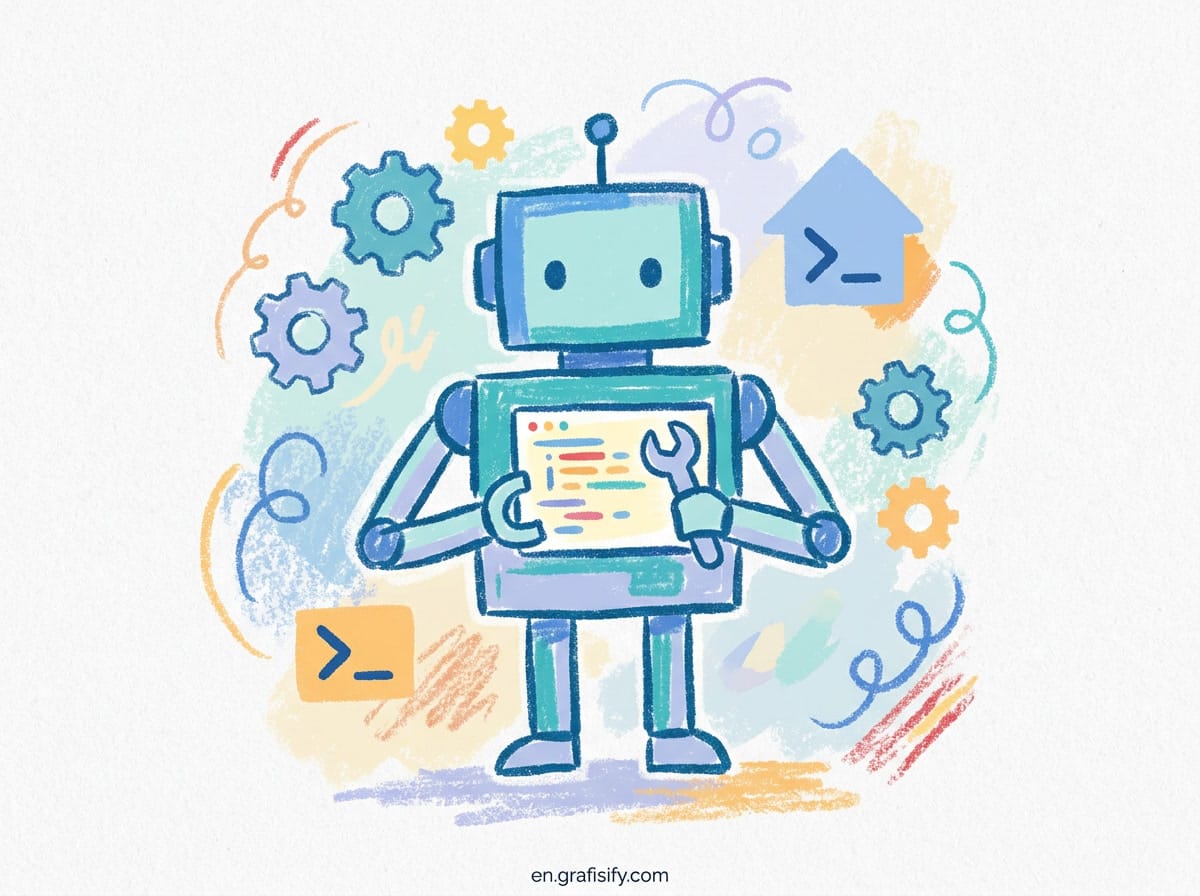
OpenCode is a command-line AI coding agent you run on your own machine. It lives in your terminal, not a cloud IDE you rent by the seat. You point it at any model you have an API key for, and it edits files, runs commands, and reasons through tasks inside your repo. Think of it as the open infrastructure layer that Claude Code and Cursor sit on, but you own the whole stack.
The appeal is not novelty. It is control. When a tool is closed source and hosted, you trade your codebase for convenience. OpenCode flips that: the binary is open, the config is plain text, and the model is your choice. That matters more in 2026 than it did a year ago, because agents now read far more of your code than any autocomplete ever did. A hosted agent that indexes your entire repository is a bigger trust decision than a tab-completer, and OpenCode lets you keep that decision in your hands.
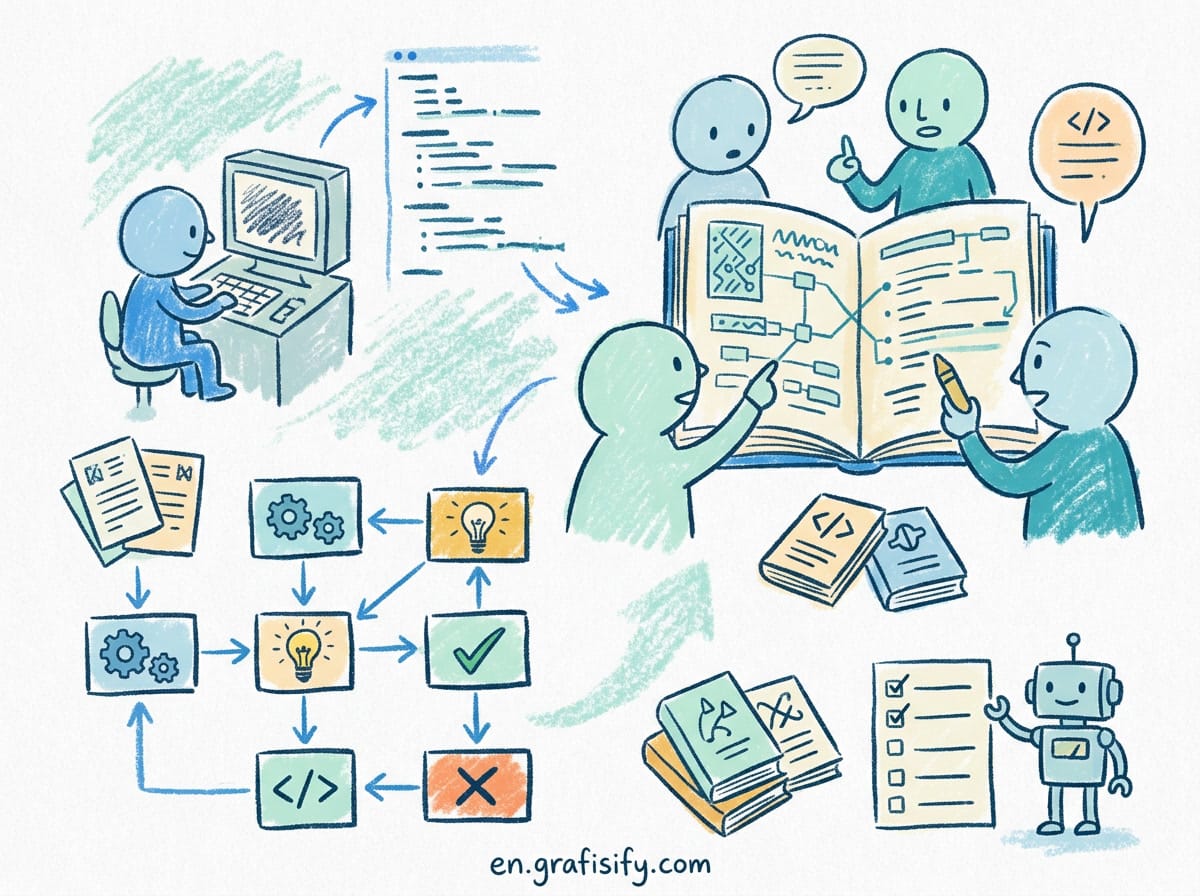
Under the hood it is a thin, fast loop. You give it a goal, it reads the relevant files, forms a plan, edits code, and runs the change through your test suite or build. You approve or reject each step. Nothing leaves your machine except the tokens you send to the model provider, and even that is optional if you run a local model.
The project is maintained in the open on GitHub, so you can read the source, file issues, and audit updates before you pull them. That transparency is the core reason it earns trust where closed agents ask you to take the pipeline on faith.
Why It Topped the August 2026 Rankings

LogRocket’s August 2026 developer tool power rankings put OpenCode at number one among 13 AI-powered development tools, ahead of Claude Code, Cursor, and Windsurf. They scored 19 models and 13 tools across 50-plus features using the WebDev Arena benchmark. OpenCode earned the “open infrastructure leader” label because it does not lock you to one vendor’s model or pricing.
The JetBrains Developer Ecosystem Survey 2026 adds context. It surveyed more than 15,000 professional developers worldwide. As of May through July 2026, 90 percent of professional developers used AI coding agents at least weekly, and 68 percent used them daily. Agents moved from experiment to default. OpenCode rode that wave by being the cheapest way to plug a strong model into a real agent loop.

The shift is visible in the numbers. Claude Code jumped from 18 percent adoption in January 2026 to 39 percent by mid-2026, the most-used tool for 31 percent of developers who tried it. Codex grew roughly 5x, from 3 percent to 16 percent, and product awareness jumped from 27 percent to 65 percent in the same window. GitHub Copilot, the 2023 leader, slipped from 29 percent a year ago to 21 percent. Developers are spreading across tools instead of parking in one, and OpenCode is the connector that lets them do that without juggling five separate subscriptions.
OpenCode vs the Closed Alternatives
The difference is not features on a spec sheet. It is who controls the pipeline. Claude Code is excellent and the most-used tool for 31 percent of developers who tried it, but it is tied to one provider’s model and roadmap. Cursor and Windsurf are polished editors with agent modes, yet both route through their own cloud and pricing. OpenCode strips that layer out.
| Tool | Open Source | Self-Hostable | Model Choice | Primary Cost |
|---|---|---|---|---|
| OpenCode | Yes | Yes | Any API key | Model tokens only |
| Claude Code | No | No | Anthropic models | Subscription + tokens |
| Cursor | No | No | Curated providers | Subscription |
| Windsurf | No | No | Curated providers | Subscription |
The takeaway: if you want a specific model for a specific job, OpenCode is the shortest path. You are not asking a vendor to add support. You are pasting a key and writing a config line.
How to Set Up OpenCode
Installation is a single command on macOS and Linux, and a winget install on Windows. After that, the work is configuration, not compilation. OpenCode reads a TOML file where you declare which providers and models are available.
You add your API keys as environment variables or in the config. Then you list models: Opus 5, Kimi K3, Grok 4.6, or any OpenAI-compatible endpoint. Because OpenCode speaks the standard chat API format, a local model served by Ollama or LM Studio also works. That is the part closed tools will not give you: a free local model for trivial refactors, a frontier model for hard architecture work, both behind one agent.
Daily use looks like any other agent session. You describe a task, OpenCode reads your files, proposes edits, and runs them after you approve. The loop lives in the terminal, so it fits CI scripts, SSH sessions, and remote VPS workflows without a GUI. A developer on a headless server can run the same agent a laptop user runs, which is rare among GUI-first competitors.
Also Read:
Configuration also lets you set per-project models. A Python service might use one model for tests and another for migrations. You express that in plain text, commit it to the repo, and the whole team inherits the setup. No shared seat license required.
A Real Workflow Example
Picture a Tuesday afternoon bug report: a payment webhook fails intermittently under load. You open the repo in your terminal, start OpenCode, and describe the symptom with the error log pasted in. The agent searches the codebase, finds the timeout handling in the webhook worker, and proposes a retry with backoff. You review the diff, run the test suite it suggests, and the flaky test goes green.
What makes this different from a chat window is the loop. OpenCode writes the file, runs the test, reads the failure, and adjusts. You stay in the terminal you already live in. The model never sees the rest of your machine, only the files it needs. For a solo developer this is a faster pair programmer. For a team it is a repeatable process you can document in the repo.
The same session scales down just as well. A one-line refactor across 40 files is tedious by hand and risky with find-and-replace. An agent handles it, shows the full diff, and you accept or reject in one pass. The local-model option makes that cheap enough to run often.
The Cost Picture
Closed tools charge a subscription whether you code daily or not. OpenCode charges nothing for the software; you pay only for the tokens your models consume. Heavy users of a frontier model may spend more than a flat subscription, but light users and local-model users spend far less. The control is the point: you decide where the money goes, model by model.
For teams, the math is sharper. Five seats on a hosted agent adds up fast. Five developers on OpenCode share whatever API budget they already hold, and the open binary costs zero per head. The savings fund better models instead of a middleman license.
Key Takeaways
- OpenCode is open source and runs locally, so your code never has to leave your machine to a vendor cloud.
- It ranked number one in LogRocket’s August 2026 tool rankings across 50-plus features.
- Any model with an API key works, including local models through Ollama or LM Studio.
- Agent adoption is now mainstream: 90 percent of developers use them weekly per JetBrains’ 2026 survey.
- It is the connective layer between you and the model, not a subscription you rent.
- Per-project config lets teams pin models per task and commit that setup to version control.
When OpenCode Is the Right Pick
Choose OpenCode when you already manage API keys and want to swap models per task. A freelancer bouncing between client stacks benefits because one tool covers everyone. A team with data-residency rules benefits because the agent runs on their hardware. A hobbyist with a spare GPU benefits because a local model handles the boring edits for free.
It is a weaker pick if you want a managed editor with drag-and-drop UI and zero setup. Cursor and Windsurf win there. OpenCode assumes you are comfortable in a terminal and can read a config file. That barrier is the price of ownership, and it filters out the buyers who would rather pay than configure.
The privacy angle is the quiet winner. Regulated industries, security teams, and anyone handling customer data get an agent that never ships source to a third-party server by default. For those shops, the open binary is not a nice-to-have. It is the requirement.
Final Thoughts
The 2026 agent market is splitting into two camps: rented ecosystems and open infrastructure. OpenCode sits firmly in the second, and the rankings show developers value that freedom. You lose some polish. You gain the right to switch models, host locally, and audit the binary.
Start by installing it and pointing at one model you already pay for. Run a real refactor through it before judging. The agents are good enough now that the differentiator is the plumbing around them, and OpenCode gives you better plumbing than most. Treat it as the chassis, not the engine, and pick the engine per job.

Irfan is a Creative Tech Strategist and the founder of Grafisify. He spends his days testing the latest AI design tools and breaking down complex tech into actionable guides for creators. When he’s not writing, he’s experimenting with generative art or optimizing digital workflows.
You might also like



 Artificial Intelligent
 Design & Creative
 Freelance
 Gadgets & Gear
 Insights
 Laptop
 Reviews
 Smartphone
 Tech Guides
 Vibe Coding