GPT-5.6 vs Claude Fable 5, Decision Framework (Freelancers, Creators, Small Business Owners)
GPT-5.6 vs Claude Fable 5, Decision Framework (Freelancers, Creators, Small Business Owners)
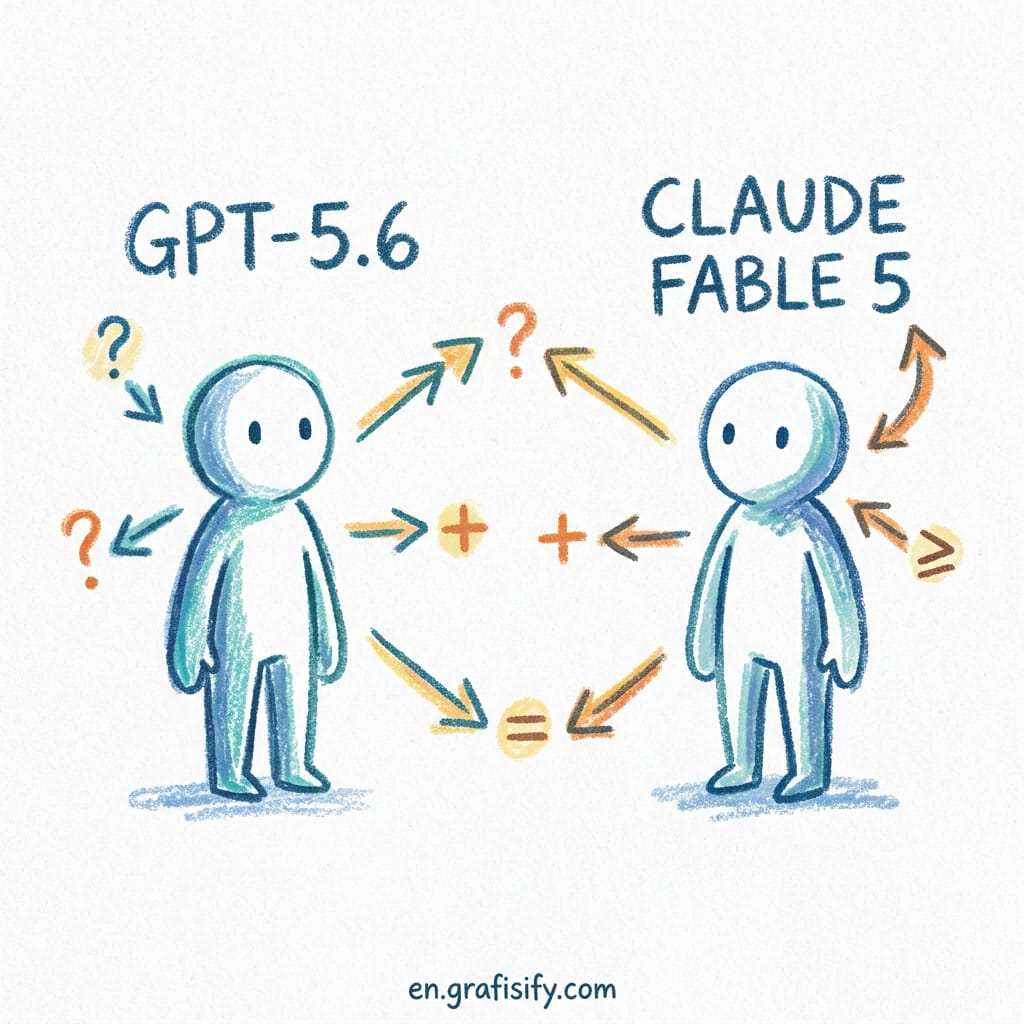
Quick Verdict: GPT-5.6 wins if you need agentic coding, heavy analysis, or high-volume API work. Claude Fable 5 wins if you do repo-level debugging, long-form writing, or need deep context windows. Most people should use both.
You have seen the benchmark charts. GPT-5.6 vs Claude Fable 5 is the comparison everyone talks about. GPT-5.6 scores higher on MATH and GPQA. Claude Fable 5 dominates on SWE-bench and HumanEval. But benchmarks do not tell you which model to open when a client emails you at 2 PM with a tight deadline.
GPT-5.6 launched with three tiers (Sol, Terra, and Luna) priced for different workloads. Claude Fable 5 came in with a single premium tier that runs deep on long contexts. The question is not which one is better. The question is which one is better for you.
After spending the last month testing both models across real freelance projects, here is what I found.
Also Read:
GPT-5.6 vs Claude Fable 5: What Each Model Tier Actually Does
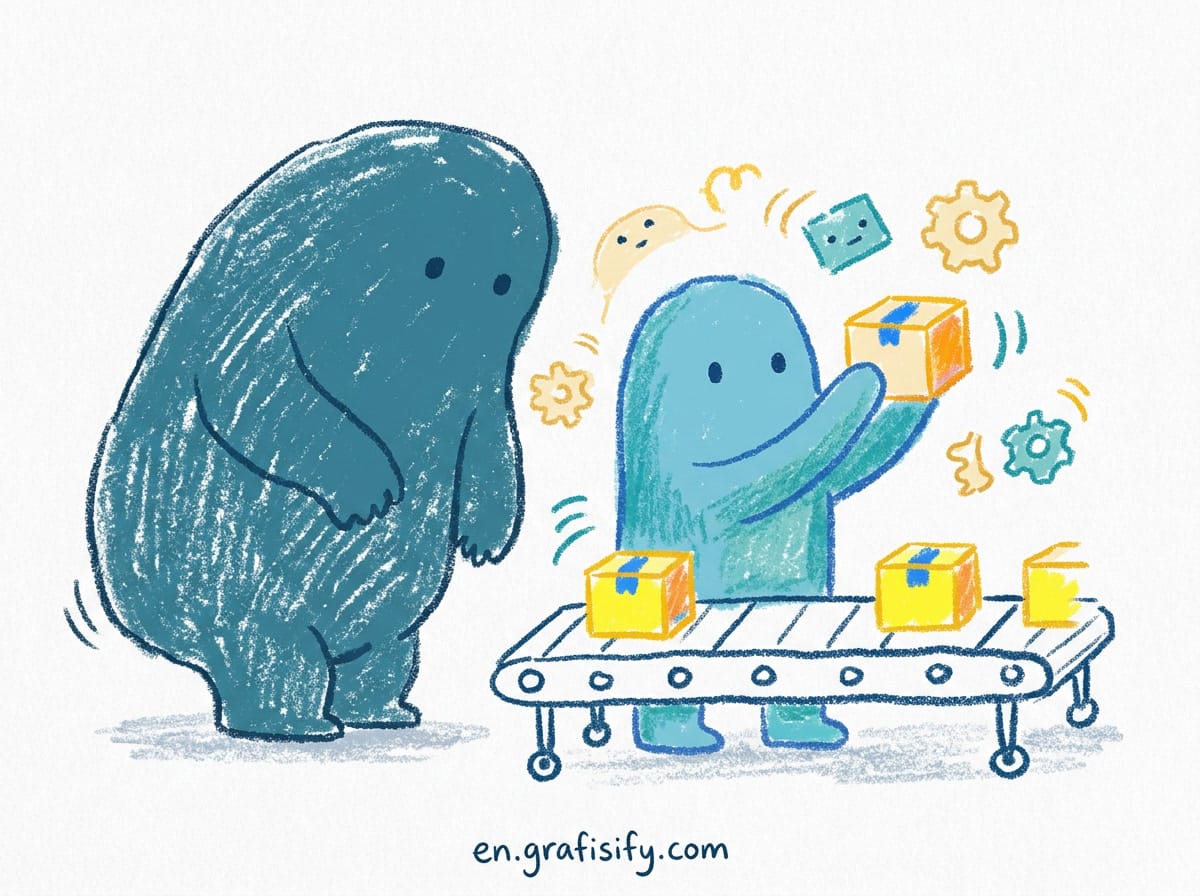
What makes each tier different? GPT-5.6 splits into Sol, Terra, and Luna. Think of them as heavy, medium, and light. Sol runs “ultra” mode with parallel agent chains. You send a complex task and it spawns sub-agents automatically. Terra handles daily coding and analysis. Luna is the budget tier for high-volume, lower-complexity work.
Claude Fable 5 does not do tiers. You get one model, one price, one massive context window: 500K tokens. That is roughly 1,500 pages of text. Where GPT-5.6 Sol excels at spinning up many parallel agents, Claude Fable 5 excels at reading and reasoning over your entire codebase at once.
This fundamental difference drives the whole GPT-5.6 vs Claude Fable 5 comparison. GPT-5.6 scales by adding compute width. Claude Fable 5 scales by adding context depth.

Deep Dive: GPT-5.6 vs Claude Fable 5, Who Wins Where
Agentic Coding and Multi-Step Tasks
GPT-5.6 Sol with ultra mode is fast. You describe a feature, it breaks it into sub-tasks, spawns parallel agents, and returns working code in minutes. Using it to build a client dashboard (three microservices, a PostgreSQL schema, and a React frontend) took one session. It handled the architecture split without you prompting for it.
Claude Fable 5 handles multi-step tasks differently. It reads the whole existing codebase, understands the patterns you are already using, then writes code that fits. It is slower per task but the output needs fewer revisions. If your project has 20+ files with established conventions, Claude Fable 5 is less likely to write something that breaks existing logic.
When you compare GPT-5.6 vs Claude Fable 5 for greenfield versus brownfield work, the choice is clear.
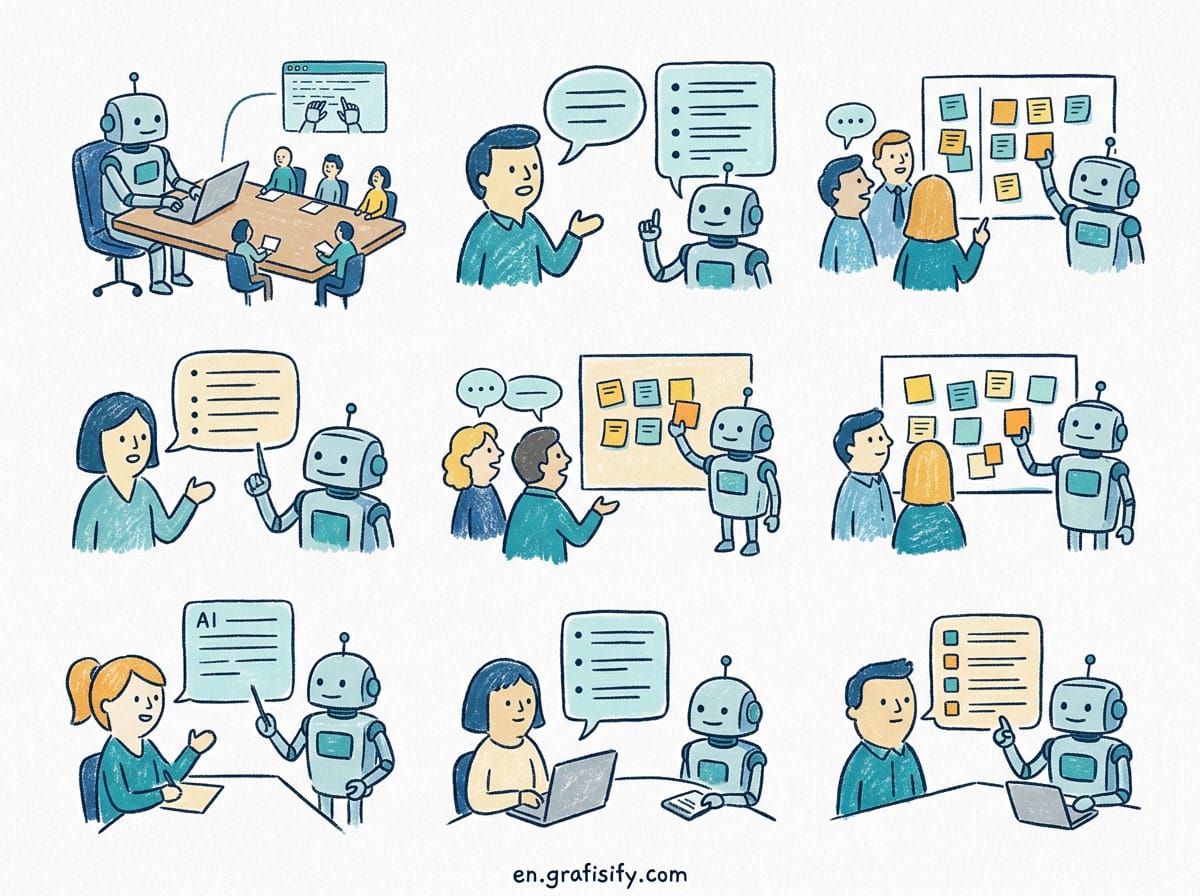
Winner: GPT-5.6 Sol for greenfield projects. Claude Fable 5 for brownfield codebases.
Debugging and Problem Diagnosis
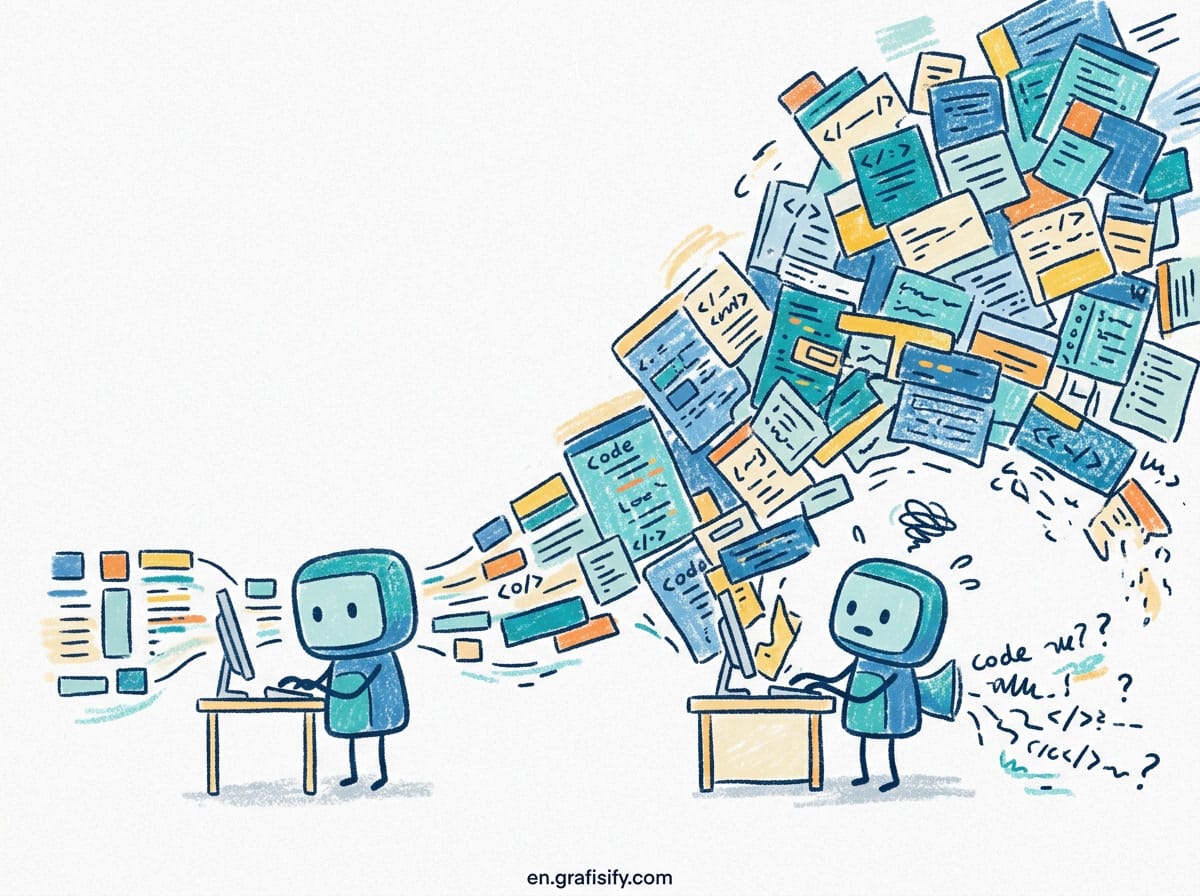
This is Claude Fable 5 strongest area. Give it a stack trace and your full repo, and it finds the root cause. The 500K context means you can dump everything: logs, config files, dependency trees, and it still sees the whole picture. GPT-5.6 with Terra can debug well, but once your project exceeds 100K tokens of context, the difference becomes obvious.
Which model should you pick for debugging? Winner: Claude Fable 5 by a wide margin.
Also Read:
Writing and Content Creation
GPT-5.6 writes cleaner first drafts. Its prose is more direct, with fewer filler phrases. Claude Fable 5 writes richer, more nuanced content but tends to over-explain. For blog posts, client proposals, and documentation, GPT-5.6 Terra is my default. For research summaries, legal analysis, or anything requiring careful caveats, Claude Fable 5 is better.
Which one writes better? Winner: GPT-5.6 for speed. Claude Fable 5 for depth.
API Performance and Cost at Scale
This is where the tier system shines. GPT-5.6 Luna costs a fraction of Sol and handles simple classification, data extraction, and chat use cases well. If you are processing thousands of customer support tickets or running bulk content analysis, Luna makes the math work. Claude Fable 5 single tier is priced competitively with GPT-5.6 Terra, but there is no budget option for high-volume work.
Winner: GPT-5.6 Luna for volume. Claude Fable 5 for focused deep tasks.
GPT-5.6 vs Claude Fable 5: A Decision Framework for Your Workflow

| Your Situation | Best Choice | Why |
|---|---|---|
| Building a new app from scratch | GPT-5.6 Sol | Parallel agents generate code faster than sequential prompting |
| Maintaining a large existing codebase | Claude Fable 5 | 500K context sees the whole repo at once |
| Processing bulk text or data | GPT-5.6 Luna | Lowest cost per token for high volume |
| Writing client proposals or reports | GPT-5.6 Terra | Clean prose with minimal editing needed |
| Debugging a production issue | Claude Fable 5 | Full repo context catches edge cases |
| Running a small agency with varied work | GPT-5.6 Terra + Claude Fable 5 | Use each where it is strongest |
The table above comes from actual usage. Keeping GPT-5.6 Terra as the daily driver and switching to Claude Fable 5 for complex or buggy tasks works well. The two models complement each other better than either one alone. This practical understanding of GPT-5.6 vs Claude Fable 5 comes from real project experience, not benchmark scores.
GPT-5.6 vs Claude Fable 5: Cost Comparison, Plans vs API Pricing
| Plan | Monthly Cost | What You Get | Best For |
|---|---|---|---|
| ChatGPT Plus | $20 | GPT-5.6 Terra access, limited messages | Individual freelancers, daily use |
| ChatGPT Pro | $200 | GPT-5.6 Sol + Terra + Luna, unlimited messages, ultra mode | Power users, agencies, heavy coding |
| Claude Fable Pro | $20 | Claude Fable 5 full access, limited messages | Writing, debugging, research |
| Claude Fable Max | $100 | Claude Fable 5 unlimited, priority bandwidth | Heavy debugging, large codebase maintenance |
API pricing is where GPT-5.6 pulls ahead. Luna tier on the API costs roughly 60% less than the standard model for similar output quality on simple tasks. If you are building a product that uses AI under the hood, you can route simple queries to Luna and complex ones to Sol, keeping the average cost low. Claude Fable 5 API has no tier split. You pay the same rate for every request, whether it is a quick classification or a deep code review.
The detailed pricing breakdown at glbgpt shows per-token rates for each GPT-5.6 tier. For reference, processing 100K requests with Luna costs about the same as 15K requests with Sol.
GPT-5.6 vs Claude Fable 5: How to Switch Between Them
Do you have to pick just one? You do not have to pick one. The most efficient workflow uses both.
Set Up Both Accounts
Keep active subscriptions to ChatGPT Pro and Claude Fable Pro. The $140 combined cost is less than a single hourly rate for most freelancers, and it pays for itself in time saved on the first complex project.
Route by Task Type
Train yourself to recognize which model to open. GPT-5.6 Sol for new code and analysis. Claude Fable 5 for debugging and refactoring. GPT-5.6 Terra for writing. After a week, the routing becomes automatic.
Use API for Automation
If you build automations, use GPT-5.6 Luna as the default backend and escalate to Claude Fable 5 API for tasks that need the full context window. Most no-code tools like n8n support both APIs, so you can build decision logic into your workflows. Check out our AI insights section for deeper dives on automation setups.
Pass Context Between Models
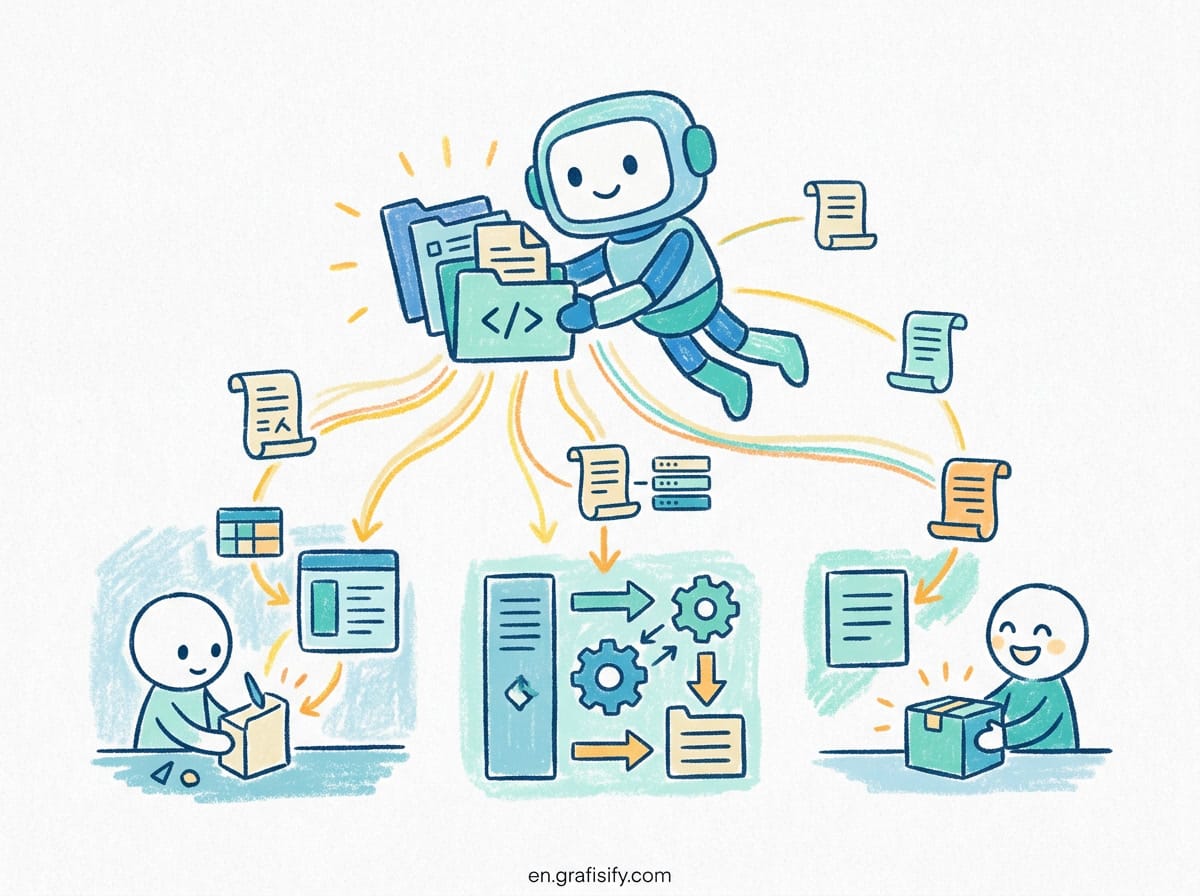
A useful trick: generate code structure with GPT-5.6 Sol, then pass the output to Claude Fable 5 for debugging and refinement. Each model covers the other blind spot.
GPT-5.6 vs Claude Fable 5: Cheat Sheet and Final Thoughts
Pick GPT-5.6 Sol when: starting a new project, running complex analysis, generating code from scratch, or needs parallel agent execution.
Pick Claude Fable 5 when: debugging existing code, writing long-form content, reviewing a large codebase, or working with complex technical documentation.
Pick both when: you are freelancing full-time, running a small agency, or building a product that depends on AI. The combined subscription cost is under $250 a month. One extra project per month covers it. And you get access to the strengths of each model without the compromise of choosing one.
If you are still on GPT-5.5, the jump to GPT-5.6 Terra alone is worth the upgrade. The tier structure gives you flexibility you did not have before. Add Claude Fable 5 on top only if you regularly work with large codebases or production debugging. For most solo freelancers, GPT-5.6 Terra Plus is enough. You can always upgrade to Pro later as your workloads grow.
Test both models on your actual work, not on benchmarks. That is the only way to know which one fits. Whether GPT-5.6 vs Claude Fable 5 is the right choice depends on your specific workflow and the type of work you do.
Need more detail on specific use cases? Leave a comment or check out the official GPT-5.6 announcement and Vellum benchmark breakdown for the raw numbers behind these recommendations.

Irfan is a Creative Tech Strategist and the founder of Grafisify. He spends his days testing the latest AI design tools and breaking down complex tech into actionable guides for creators. When he’s not writing, he’s experimenting with generative art or optimizing digital workflows.


 Artificial Intelligent
 Design & Creative
 Freelance
 Gadgets & Gear
 Insights
 Laptop
 Reviews
 Smartphone
 Tech Guides
 Vibe Coding