Beginner Guide to Cloud Storage Services and How to Use Them Efficiently: 5 Proven Strategies
Editor’s Verdict
Navigating the modern digital workspace isn’t just about having a laptop anymore. It’s about ecosystem. This comprehensive guide breaks down the essential elements of Beginner Guide to Cloud Storage Services and How to Use Them Efficiently, stripping away the technical jargon to reveal actionable strategies that save time and secure your assets. Whether you’re a freelancer or managing a team, efficiency is the name of the game.
Why Cloud Storage is a Game-Changer
Let’s be real for a second. Relying solely on local hard drives is a Beginner Guide to Cloud Storage Services and How to Use Them Efficiently step you really shouldn’t skip. The benefits are undeniable. It’s not just about backing up files; it’s about accessibility. You can access your documents from a coffee shop in Paris or a conference room in Tokyo without lugging a heavy laptop around. The flexibility offered by cloud platforms is a total no-brainer.
Think about the last time you lost a USB drive. The panic was real, right? With cloud services, that nightmare scenario becomes a distant memory. The Beginner Guide to Cloud Storage Services and How to Use Them Efficiently emphasizes that data redundancy is key. When you upload data to the cloud, you aren’t just storing it; you are distributing it across multiple servers. This redundancy is the ultimate safety net.
The Elephant in the Room: Security
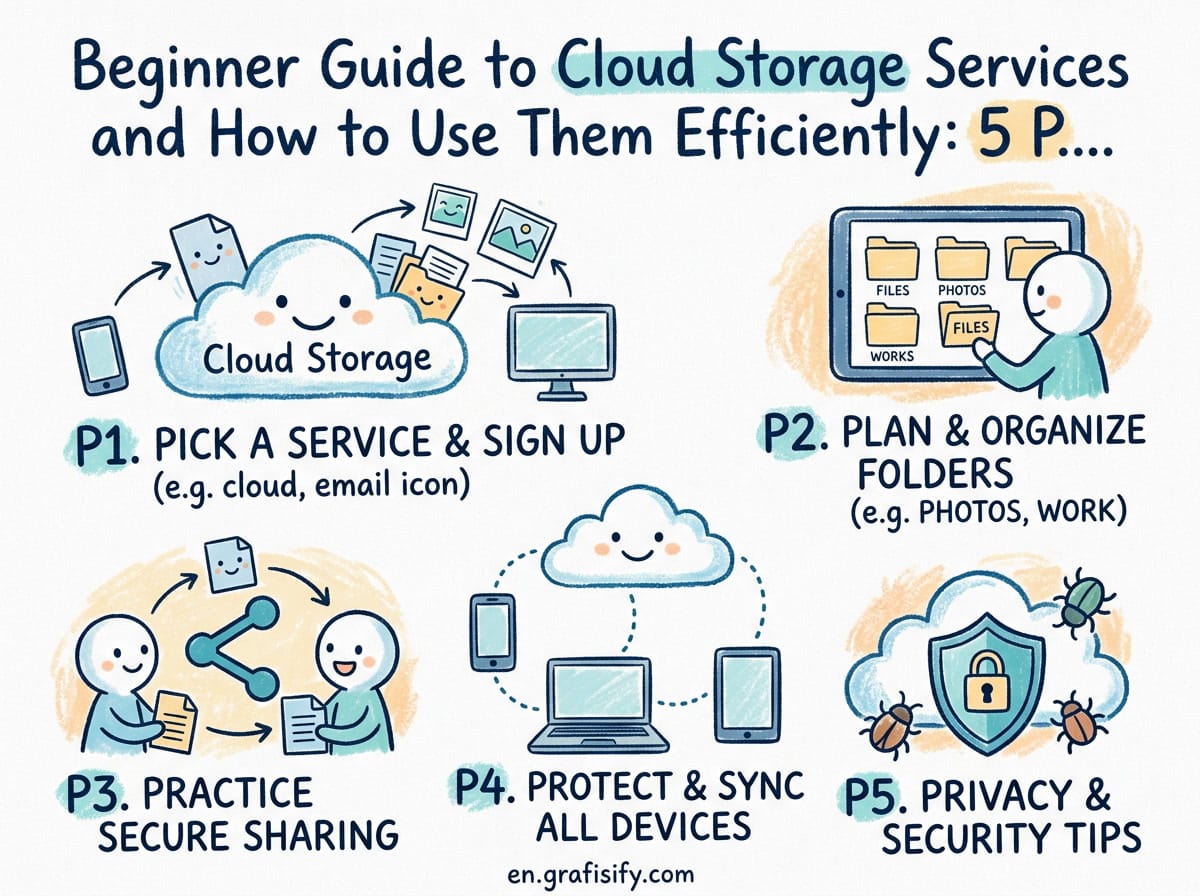
One might argue that keeping data on your own physical machine is safer. That is the elephant in the room that cloud providers are constantly trying to move. While you can lock your laptop, what happens if it gets stolen? Cloud services offer encryption—both in transit and at rest. A robust Beginner Guide to Cloud Storage Services and How to Use Them Efficiently always highlights two-factor authentication (2FA) as a critical first line of defense. It’s a simple step that significantly boosts your security profile.

Understanding the Different Tiers
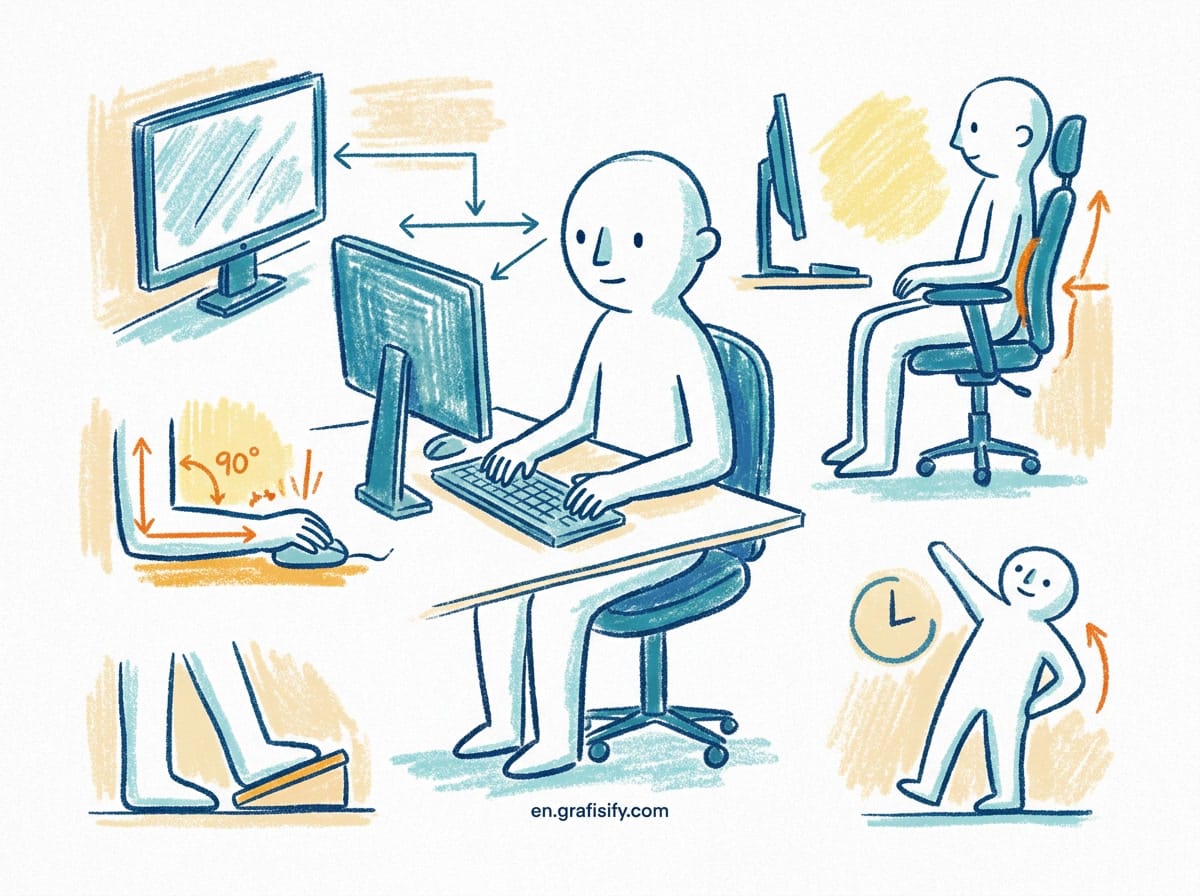
Moving past the basics, you’ll encounter a confusing array of options: free tier, paid tier, business tier, and encrypted private storage. It can feel overwhelming. However, a good Beginner Guide to Cloud Storage Services and How to Use Them Efficiently will help you categorize these options based on your specific needs. Free tiers are great for testing the waters, but they come with strict limits on storage space and bandwidth.
Where it gets interesting is the paid tiers. Here, you pay for features, not just space. Collaboration tools, advanced analytics, and unlimited version history often come with premium subscriptions. If you are running a business, the Beginner Guide to Cloud Storage Services and How to Use Them Efficiently suggests looking into Business plans that offer centralized billing and administrative controls. It’s all about finding that sweet spot where cost meets functionality.
Folder Structure: The Foundation of Efficiency
Organization is the backbone of efficiency. Without a proper structure, your cloud storage becomes a digital black hole where files go to die. This is a crucial component of a Beginner Guide to Cloud Storage Services and How to Use Them Efficiently. Start with broad categories: Work, Personal, Finance, and Archive. Then, drill down.
Don’t just throw files into a generic folder named “Documents.” Be specific. Use dates, project names, or client codes. For example, “2026_Project_Alpha_Financials” is infinitely better than “Q1 Report.” The Beginner Guide to Cloud Storage Services and How to Use Them Efficiently advocates for a hierarchical structure that mirrors your physical filing system. It reduces cognitive load and speeds up file retrieval dramatically.
Utilizing Shared Folders and Permissions
Collaboration is seamless, but it requires finesse. You need to know when to give someone full access versus read-only access. A proper Beginner Guide to Cloud Storage Services and How to Use Them Efficiently teaches you to manage permissions like a pro. Never give out a password when you can set up a shared link with an expiration date. It’s the modern way to share files securely.

Furthermore, use the “Shared with Me” feature effectively. These files don’t take up your storage space, but they are accessible instantly. It’s a great way to curate resources without cluttering your main directory. The Beginner Guide to Cloud Storage Services and How to Use Them Efficiently teaches you to treat your cloud storage not just as a dump for files, but as a dynamic workspace.
Syncing vs. Backup: Know the Difference
This is a common point of confusion. Syncing and backing up are not the same thing. Syncing keeps files identical across multiple devices. If you edit a file on your phone, it updates on your computer. Backup is about archiving. It saves a snapshot of your files at a specific point in time.
A comprehensive Beginner Guide to Cloud Storage Services and How to Use Them Efficiently will explain that you need both. Syncing for real-time access, and backup for disaster recovery. Many cloud services offer a “Back up” folder feature specifically for this purpose. It’s a Beginner Guide to Cloud Storage Services and How to Use Them Efficiently tip that separates the novices from the power users.
Cross-Platform Compatibility
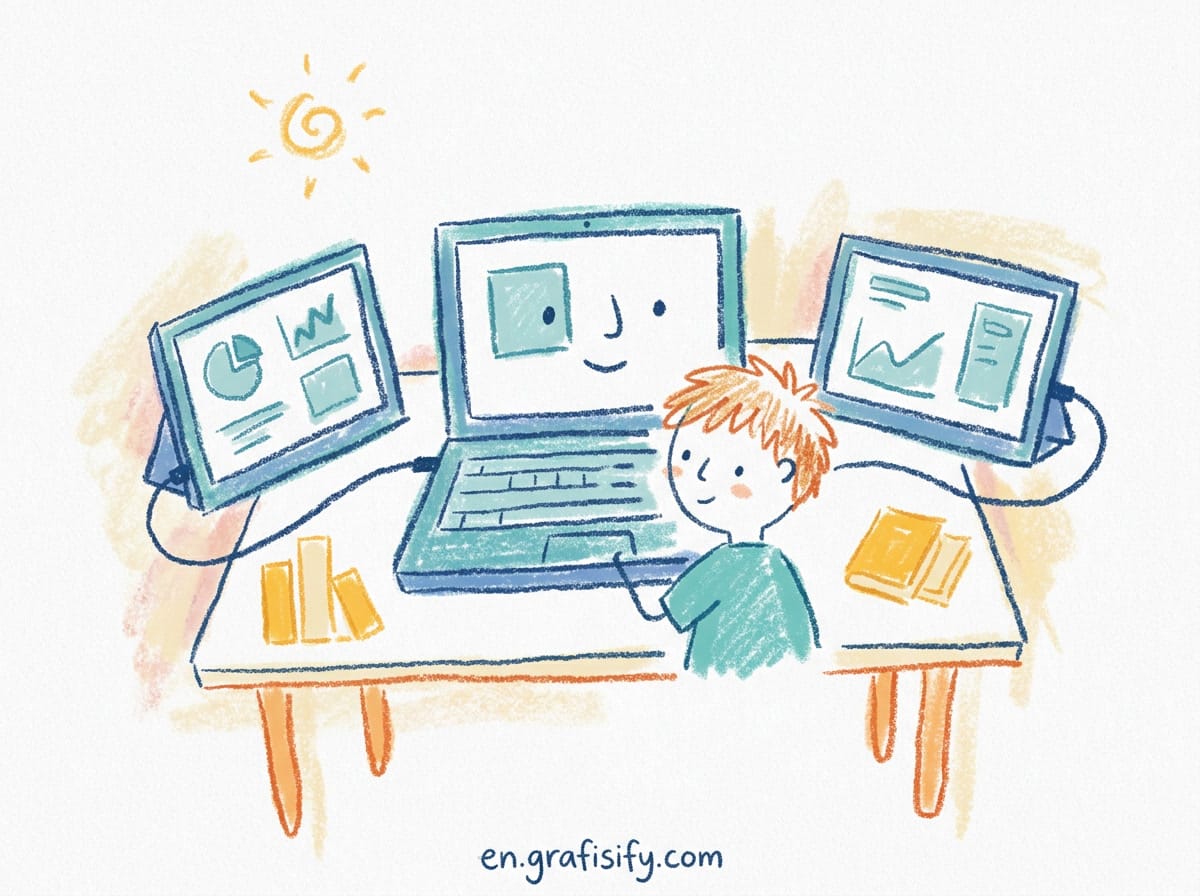
Let’s face it: you probably use more than one device. You might have a MacBook for work and an iPad for leisure, or perhaps a Windows PC at the office and a smartphone at home. A Beginner Guide to Cloud Storage Services and How to Use Them Efficiently prioritizes platforms that offer native apps for all your devices. You don’t want to be tethered to a web browser.
Native apps provide offline access and background syncing, which are essential for a seamless workflow. If a cloud provider doesn’t have a solid app for your primary device, it’s a major red flag. The Beginner Guide to Cloud Storage Services and How to Use Them Efficiently emphasizes that the best service is the one that integrates effortlessly into your existing tech stack.
Cost-Effective Strategies
Cloud storage costs money, and unlike a one-time hardware purchase, it’s a recurring expense. To keep this Beginner Guide to Cloud Storage Services and How to Use Them Efficiently practical, we need to talk about money. The key is to optimize your usage. Don’t just pay for 1TB if you only use 200GB. Scale down.
Another tip is to take advantage of storage bonuses. Many credit card companies offer free cloud storage as a perk. It’s free money, folks. The Beginner Guide to Cloud Storage Services and How to Use Them Efficiently also suggests periodically reviewing your subscription. As your needs change, your plan should evolve. Don’t be afraid to downgrade if you’re not using the features.
Final Thoughts
Mastery of Beginner Guide to Cloud Storage Services and How to Use Them Efficiently is a journey, not a destination. As technology evolves, so too will the features of cloud storage. By focusing on organization, security, and cost-efficiency, you can transform your digital life. It’s about taking control of your data.
Ready to optimize your workflow? Check out our latest post on BACA JUGA: How to Vibe Code Your First SaaS: A Step-by-Step Guide for Non-Programmers to take your digital security to the next level.

You might also like

 Artificial Intelligent
 Design & Creative
 Freelance
 Gadgets & Gear
 Insights
 Laptop
 Reviews
 Smartphone
 Tech Guides
 Vibe Coding