Is Computer Science Degree Worth It in the Age of AI?

Let’s address the elephant in the server room, shall we? You’ve seen the demos. You’ve watched Devin, the AI software engineer, fix bugs while you were still brewing your morning coffee. You’ve scrolled through Twitter (or X, whatever) and seen the doom-mongering threads claiming “coding is dead.” Now, you’re staring at a tuition bill or a university application, sweating bullets, wondering: is computer science degree worth it in the age of ai?
It’s a valid fear. Honestly, if you aren’t at least a little worried, you aren’t paying attention. But here’s the kicker—panic makes for terrible career advice. While the landscape of software development is shifting beneath our feet like tectonic plates on a caffeine binge, the demise of the Computer Science (CS) degree has been greatly exaggerated.
As a Senior Editor who has watched tech trends rise, crash, and burn for decades, I’m here to cut through the noise. We are going to dissect the anxiety, analyze the reality of the job market, and determine if that four-year grind is still a golden ticket or just a one-way trip to debt city.
The Verdict: Yes, But Not for the Reasons You Think
Short answer? Yes. But there is a massive asterisk attached to that “Yes.”
Also Read:
If you think a Computer Science degree is worth it in the age of AI just because it teaches you syntax—how to write a for loop in Java or center a div in CSS—you are in for a rude awakening. AI can do that. In fact, AI can do that faster, cheaper, and with fewer typo-induced tantrums than you can.
However, if you view the degree as a rigorous training ground for computational thinking, system architecture, and complex problem-solving, then it’s not just worth it; it’s more essential than ever. We are moving from an era of “code monkeys” to an era of “system architects.” The degree is your foundation; AI is just the power tool.
The Fear Factor: Why Students Are Freaking Out
Let’s be real. The anxiety stems from a simple observation: entry-level coding tasks are easily automated. Back in the day, a Junior Dev got paid to write boilerplate code, write unit tests, and fix minor bugs. Today? GitHub Copilot or ChatGPT generates that boilerplate in seconds.
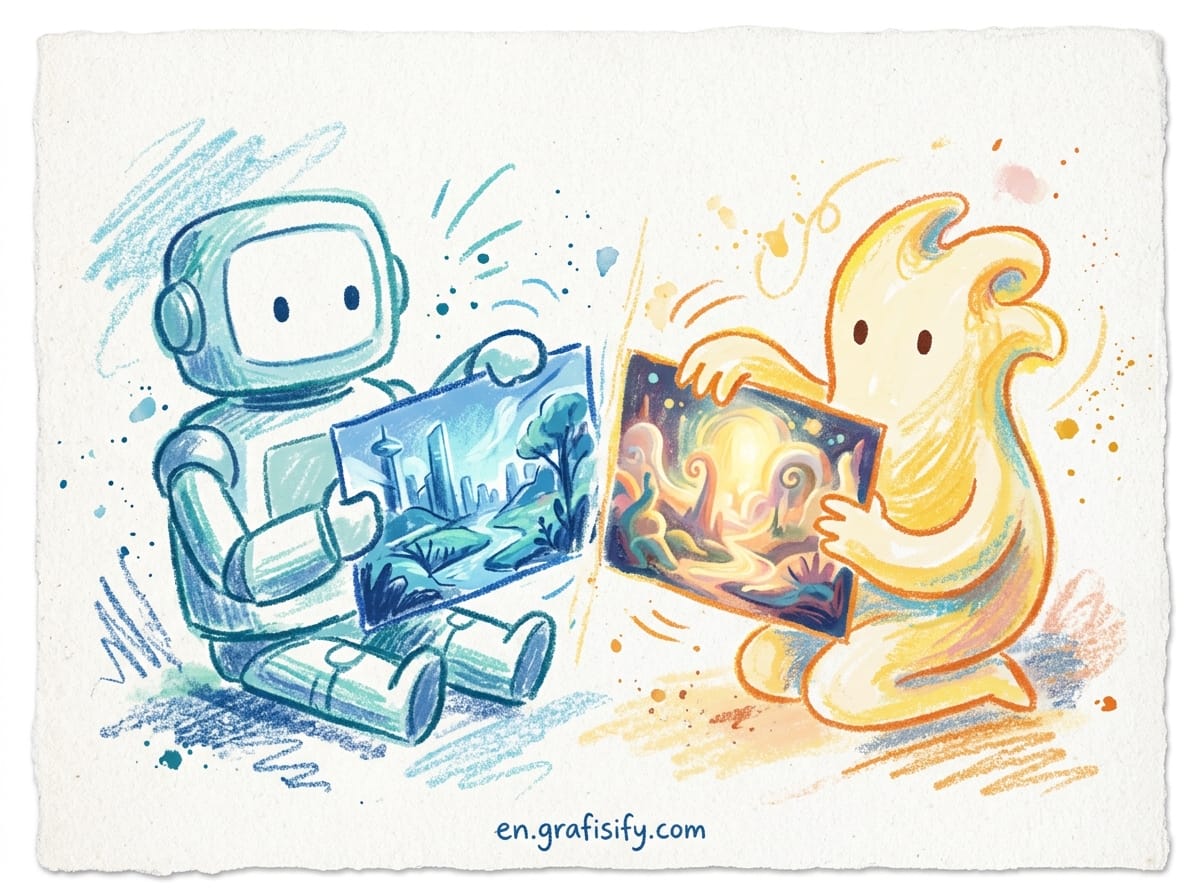
Students are asking, “If AI does the junior work, how do I become a senior?” It’s the classic chicken-and-egg problem, but digitized. The fear is that the ladder has been pulled up. But here is where the academic perspective shifts the narrative. A CS degree was never really about vocational coding training—it was about math, logic, and theory.
Coder vs. Engineer: The Distinction That Save You
To understand why asking is computer science degree worth it in the age of ai yields a positive answer, you have to separate “coding” from “engineering.”
- Coding is translation. It’s taking a human idea and translating it into machine syntax. AI is excellent at translation.
- Engineering is problem definition, constraint management, and system design. AI sucks at this.
A bootcamp might teach you the MERN stack in three months. That’s fragile. If the stack changes or AI automates the React component generation, you’re cooked. A CS degree, however, forces you to learn Data Structures and Algorithms (DSA), Operating Systems, and Discrete Math. These concepts don’t change. A Bubble Sort is a Bubble Sort, whether it’s written by a human in C++ or a robot in Python. Understanding why one algorithm scales and another crashes the server is the human edge.
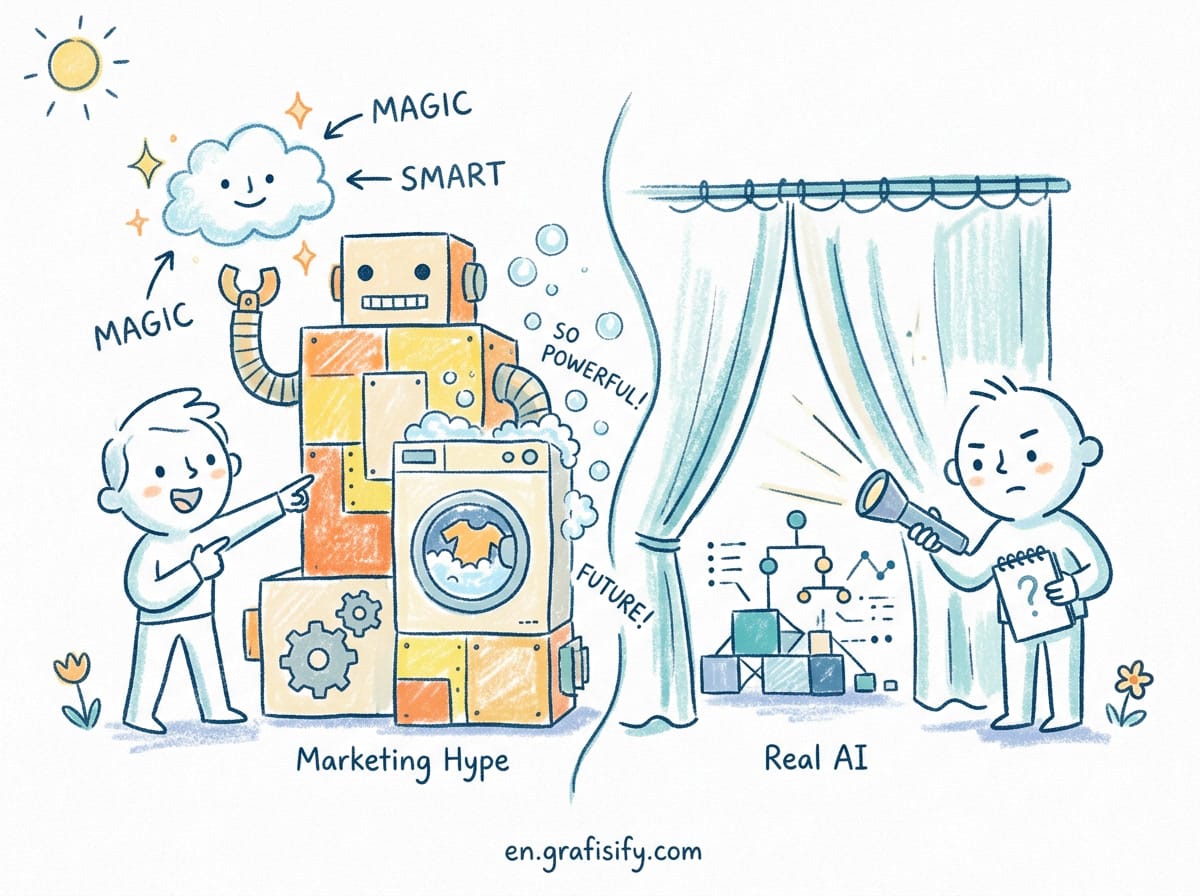
Deep Dive: What a Degree Offers That ChatGPT Can’t
Here is where we get granular. Why endure four years of torture? Because it builds mental calluses.
1. The Theoretical Moat
AI models are, at their core, stochastic parrots. They predict the next token. They don’t “know” logic; they emulate it based on patterns. When you study formal logic and computability theory, you learn to spot when the AI is hallucinating. Without that foundational knowledge, you are just a passenger in a car driven by a drunk robot.
2. Complex System Design
Building a to-do app is easy. Designing a distributed system that handles millions of concurrent connections while maintaining data consistency? That’s hard. It requires understanding latency, throughput, CAP theorem, and load balancing. These are staples of a CS curriculum. AI can write the code for a microservice, but it cannot decide if you should use a microservice architecture or a monolith for your specific business case.
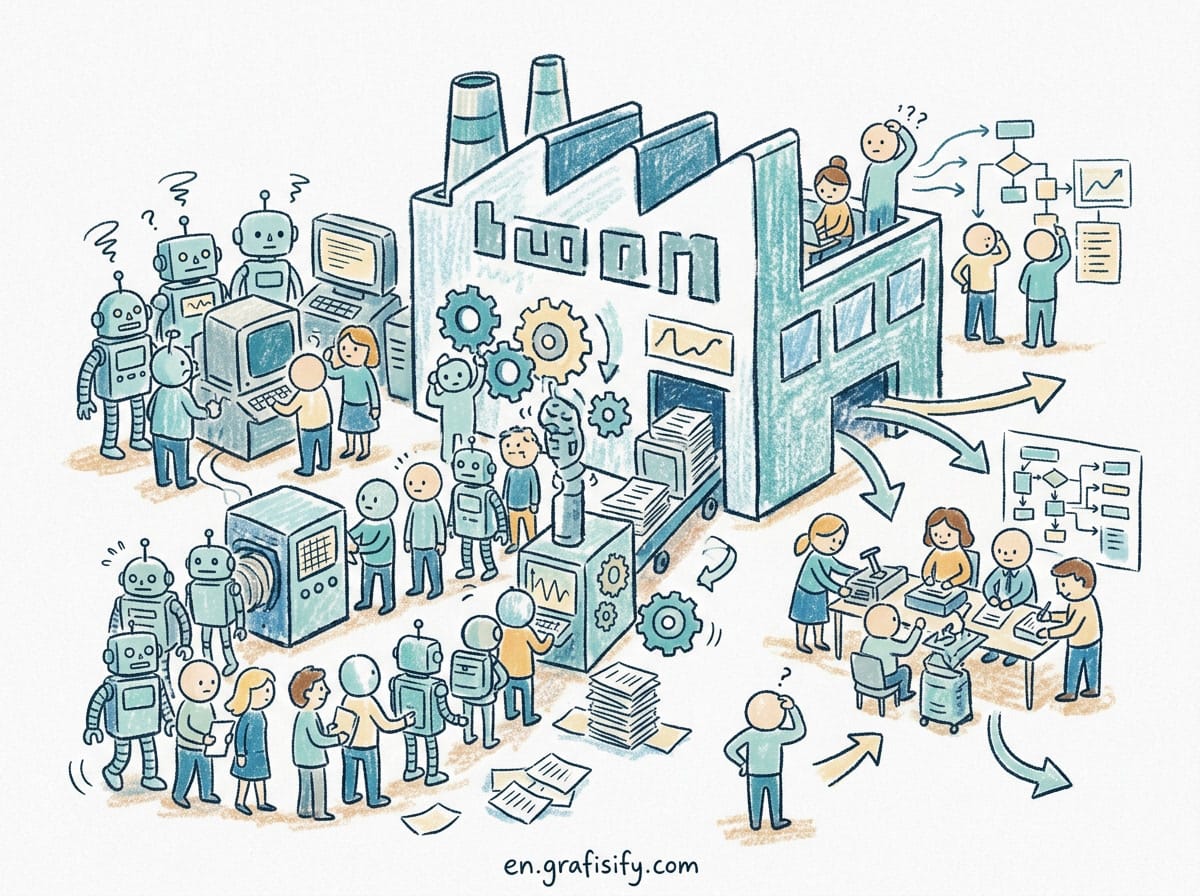
3. The “BS” Filter
In the industry, we call it a “BS detector.” When you ask, “is computer science degree worth it in the age of ai,” consider this: AI generates convincing-looking garbage. A degree holder looks at the generated code and says, “Nice try, but that introduces a race condition.” The self-taught dev who skipped the boring theory classes might miss that, leading to a production disaster that costs the company millions (talk about being boncos).
For more insights on navigating these career shifts, check out our tech career guides which dive deeper into skill acquisition.
The Curriculum Gap: Is Academia Too Slow?
This is a fair critique. Universities are notoriously slow to update their syllabi. You might be learning C++98 while the world runs on Rust and Go. But remember, syntax is ephemeral. Concepts are eternal.
That said, the best CS programs are adapting. They are integrating Machine Learning (ML) and Natural Language Processing (NLP) into the core curriculum. If you are shopping for a degree, look for programs that don’t just teach you how to use AI, but how to build it. That’s the ultimate job security.
Pros and Cons of a CS Degree in the AI Era
Pros
- Signal to Employers: HR filters are brutal. A degree is still the strongest signal of persistence and aptitude.
- Networking: Your peers are the future CTOs. You can’t prompt-engineer human relationships.
- Foundational Agility: It’s easier to learn a new AI tool when you understand the underlying math.
Cons
- Cost & Time: It’s expensive and takes four years. If you want quick cash, this isn’t it.
- Outdated Tech: You will likely learn things you never use (looking at you, Assembly language).
- Opportunity Cost: You could be building a startup instead of sitting in a lecture hall.
Practical Advice: How to Survive as a CS Major
So, you’ve decided the answer to “is computer science degree worth it in the age of ai” is yes. How do you ensure you don’t graduate obsolete?
Embrace the Cyborg Workflow. Don’t hide from AI. Use it. Let it write your boilerplate. Use the time you saved to study high-level architecture. Become an editor of code, not just a writer of it.
Focus on Soft Skills. I know, I know. You got into CS to avoid talking to people. Too bad. In an AI world, the ability to communicate requirements, manage stakeholders, and lead teams is what separates the humans from the bots. Empathy is one API that ChatGPT hasn’t mastered yet.
According to major industry reports from sources like Wired and TechCrunch, the demand for “AI-literate” engineers is skyrocketing, while demand for basic coding is softening. Align yourself with the former.
Final Thoughts: The Human Element
Let’s wrap this up. Is computer science degree worth it in the age of ai? Absolutely. But the game has changed. The degree is no longer a certificate of “I can code.” It is a certificate of “I can think computationally.”
AI is a force multiplier. If you are a zero, AI multiplies you by zero. If you are a one—someone with deep knowledge, critical thinking, and structural understanding—AI turns you into a ten. The degree is what helps you become that “one.”
Don’t fear the bot. Build the bot. Master the theory, skip the rote memorization, and treat your education as a gym for your brain, not a vocational school for syntax. The future belongs to the architects, not the bricklayers.
Tagged with:
Artificial IntelligenceCareer AdviceComputer ScienceJob Market TrendsSoftware EngineeringTech Education
Irfan is a Creative Tech Strategist and the founder of Grafisify. He spends his days testing the latest AI design tools and breaking down complex tech into actionable guides for creators. When he’s not writing, he’s experimenting with generative art or optimizing digital workflows.
You might also like


 Artificial Intelligent
 Design & Creative
 Freelance
 Gadgets & Gear
 Insights
 Laptop
 Reviews
 Smartphone
 Tech Guides
 Vibe Coding