Complete Beginner Guide to Color Theory: 5 Secrets to Use Colors Effectively in Design
Quick Verdict
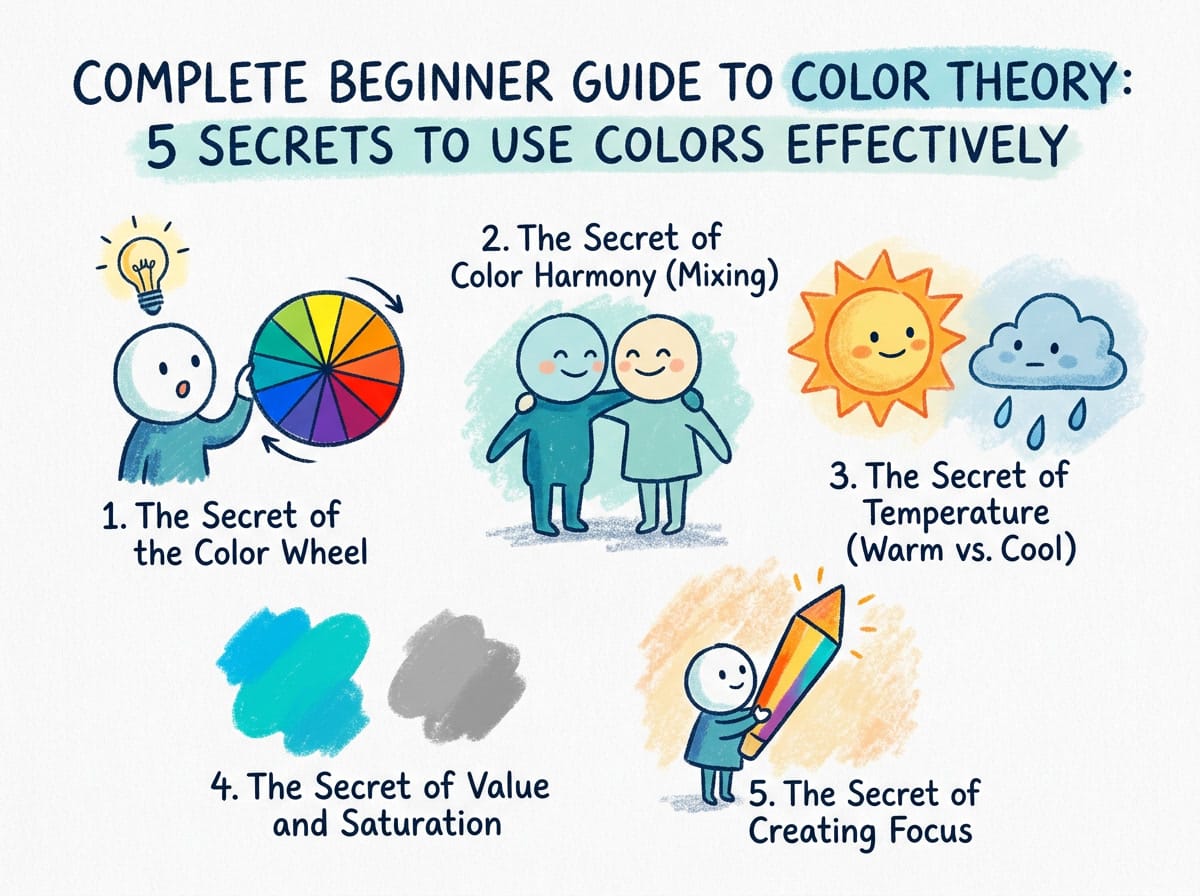
Color isn’t just decoration. It’s communication. A solid understanding of the Complete Beginner Guide to Color Theory and How to Use Colors Effectively in Design transforms amateur work into professional masterpieces. We’ve broken down the science into practical steps. You’ll master the wheel, understand psychology, and apply harmony rules instantly.
What is Color Theory?
Let’s be real. Design is visual. And color? It’s the heartbeat of the visual experience. If you are looking for a Complete Beginner Guide to Color Theory and How to Use Colors Effectively in Design, you are in the right place. It’s not just about picking pretty shades; it’s about psychology, balance, and impact.
At its core, Complete Beginner Guide to Color Theory and How to Use Colors Effectively in Design is a framework that artists and designers use to create harmonious color combinations. It explains how humans perceive color and the visual effects that colors have on one another. Without it, your designs are just random splashes on a canvas. With it, they tell a story.

The Big Three: Primary, Secondary, and Tertiary
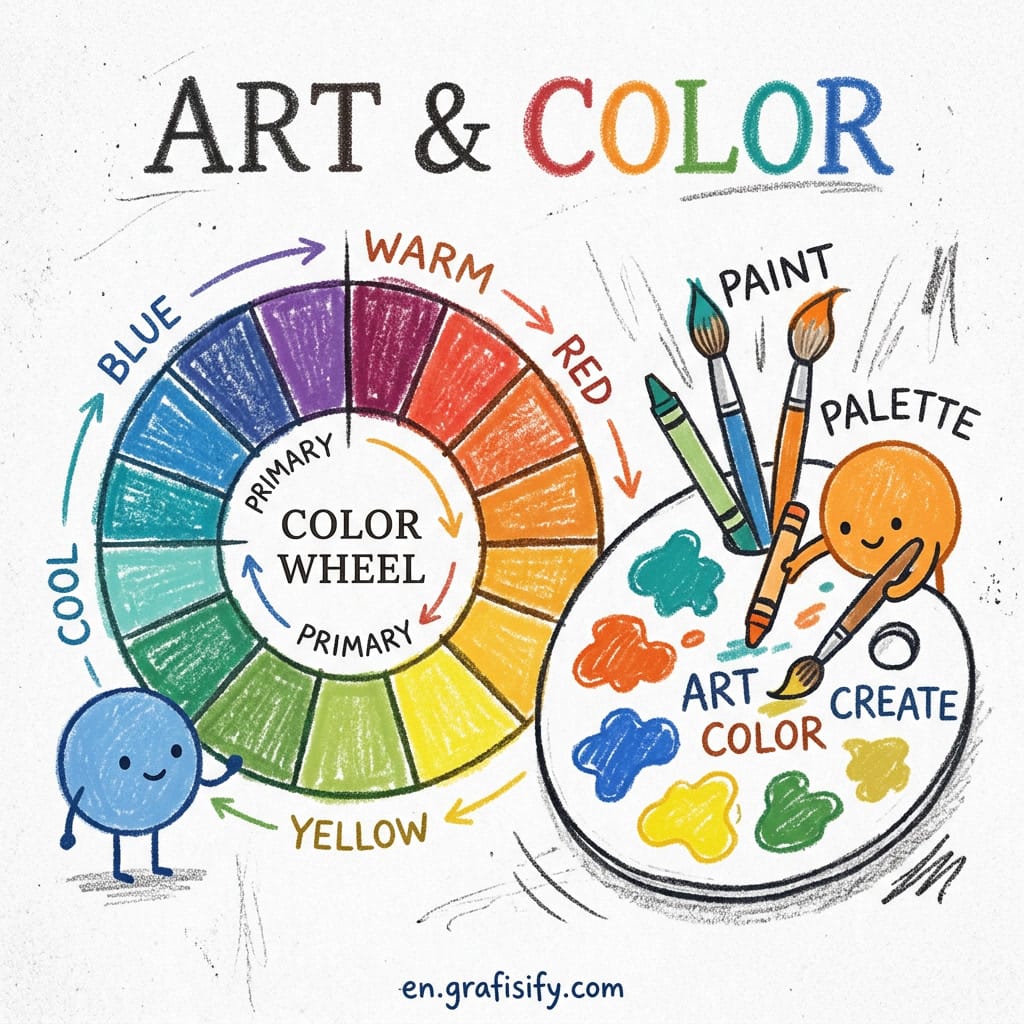
To truly grasp the Complete Beginner Guide to Color Theory and How to Use Colors Effectively in Design, you must understand the building blocks. Think of these as the alphabet of the color world.
- Primary Colors: Red, Blue, and Yellow. These cannot be created by mixing other colors. They are the anchors.
- Secondary Colors: Green, Orange, and Purple. Created by mixing two primary colors. Simple, right?
- Tertiary Colors: These are the complex ones—mixing a primary and a secondary color. Think of chartreuse, amber, or violet.
Mastering this hierarchy is the first step in Complete Beginner Guide to Color Theory and How to Use Colors Effectively in Design. Once you know the ingredients, you can start cooking.
Why You Must Learn How to Use Colors Effectively in Design
Why does this matter? Why can’t you just use your favorite colors? The answer lies in the human brain. Colors trigger emotions and reactions faster than text.
When you implement the Complete Beginner Guide to Color Theory and How to Use Colors Effectively in Design, you are essentially hacking the viewer’s brain. You create trust, excitement, or urgency without saying a word. It’s a game-changer.
For instance, blue often signals trust—think of financial institutions. Red screams urgency—think of clearance sales. Ignoring these signals is a no-brainer if you want your design to succeed.
The Psychology of the Spectrum
Warm colors (reds, oranges, yellows) are energetic. They make a room feel smaller but warmer. Cool colors (blues, greens, violets) are calming. They expand space and create a sense of order.

Effective design relies on this balance. If you are designing a website for a spa, you likely won’t use aggressive reds. Instead, you might opt for soft greens and blues. This aligns with the principles of the Complete Beginner Guide to Color Theory and How to Use Colors Effectively in Design.
Color Harmony: The Secret Sauce
Okay, you have your palette. Now what? How do you make sure the colors don’t clash? This is where the Complete Beginner Guide to Color Theory and How to Use Colors Effectively in Design gets interesting.
Harmony is the glue that holds your design together. Here are the three most effective methods you need to know:
Also Read:

1. Complementary Colors
These are colors opposite each other on the color wheel (like blue and orange). The contrast is high. It’s bold. It’s electric.
Use this technique when you want a specific element to pop. For example, if you have a blue background, a bright orange call-to-action button will stand out immediately. This is a staple of the Complete Beginner Guide to Color Theory and How to Use Colors Effectively in Design.
2. Analogous Colors
These sit next to each other (like blue, blue-green, and green). They create a sense of unity and calm. There is less contrast here.
This is perfect for backgrounds or gradients where you want a soothing effect. It’s less aggressive than complementary schemes. In the context of the Complete Beginner Guide to Color Theory and How to Use Colors Effectively in Design, analogous colors are your best friend for corporate branding.
3. Triadic Colors
These are three colors evenly spaced around the wheel (like red, yellow, and blue). This provides a high level of contrast but is still balanced.
It’s vibrant and playful. You can use one color as the dominant hue and the other two as accents. This approach is highly recommended in the Complete Beginner Guide to Color Theory and How to Use Colors Effectively in Design for creative projects.
Applying the Guide: Practical Steps
Theory is great, but practice is better. How do you actually apply the Complete Beginner Guide to Color Theory and How to Use Colors Effectively in Design to your next project? Let’s break it down into actionable steps.
Step 1: Define Your Purpose
Before you touch a single pixel, ask yourself: What is the goal? Are you selling a product? Informing the public? Entertaining them?
Your goal dictates your palette. If you are building a landing page for a new fitness app, energetic colors are key. If you are writing a technical manual, stick to clean, readable blues and grays.
Step 2: Pick a Dominant Color
Don’t try to use all the colors at once. Pick one dominant color that covers about 60% of your design. This is your canvas.
Then, pick two accent colors for the remaining 40%. This prevents the design from looking messy. It ensures the Complete Beginner Guide to Color Theory and How to Use Colors Effectively in Design translates into a clean, professional layout.
Step 3: Check for Contrast
Accessibility is non-negotiable. Ensure that your text is readable against the background. If your background is dark, use light text. If it’s light, use dark text.
A lack of contrast is the elephant in the room. It makes your design look unprofessional and inaccessible to users with visual impairments. The Complete Beginner Guide to Color Theory and How to Use Colors Effectively in Design always emphasizes accessibility first.
Troubleshooting Common Mistakes
Even experts make mistakes. Here are a few common pitfalls to avoid while following the Complete Beginner Guide to Color Theory and How to Use Colors Effectively in Design.
Mistake 1: Overusing Bright Colors
Sometimes, less is more. Using too many neon colors can cause eye strain. It looks amateurish. Stick to a limited palette to maintain elegance.
Mistake 2: Ignoring Context
Just because a color looks good on a poster doesn’t mean it works on a website. Screen settings vary. Test your colors on different devices.
Mistake 3: Forgetting White Space
White space is not empty space. It’s a design element. Don’t cram your colors together. Let them breathe. This allows the Complete Beginner Guide to Color Theory and How to Use Colors Effectively in Design to shine.
Tools of the Trade
You don’t have to guess. There are plenty of tools to help you visualize the Complete Beginner Guide to Color Theory and How to Use Colors Effectively in Design.
- Adobe Color: Create harmonies and palettes effortlessly.
- Coolors: A fast palette generator that keeps you on your toes.
Use these resources to experiment. The goal is to find what works for your specific brand voice.
Final Thoughts
The journey to mastering color is ongoing. But by adhering to the principles of the Complete Beginner Guide to Color Theory and How to Use Colors Effectively in Design, you have a roadmap.
Remember: color is powerful. Use it wisely. Don’t just make it look good; make it communicate. Your audience will thank you.
Ready to Level Up?
Want to dig deeper into visual hierarchy? Check out our guide on layout principles to ensure your color theory doesn’t go to waste.

You might also like




 Artificial Intelligent
 Design & Creative
 Freelance
 Gadgets & Gear
 Insights
 Laptop
 Reviews
 Smartphone
 Tech Guides
 Vibe Coding